What Is a Printed Shirt?
What a printed shirt is, how screen printing, DTG, transfers and sublimation differ from embroidery, how to tell them apart and which suits business use.
By Zintora Team
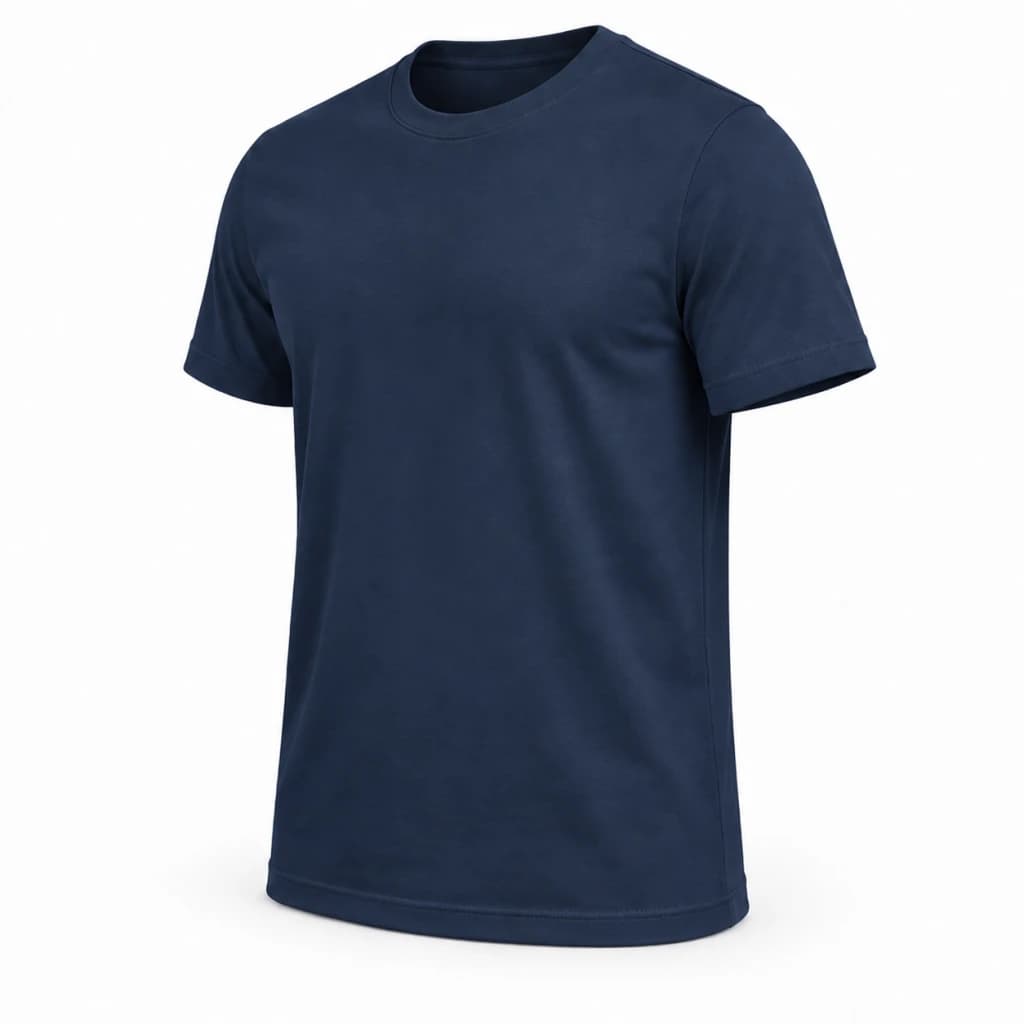
A printed shirt is a shirt, most often a T-shirt, polo or sweatshirt, that carries a design applied with ink, dye or a heat-pressed film. The main methods are screen printing, direct-to-garment (DTG), heat transfer or DTF and sublimation. Embroidery, where the logo is stitched in thread, is the main alternative and is not printing.
That is the short answer. The rest of this guide explains each method in plain terms, shows how to tell them apart on a finished garment, and sets out which one suits uniforms, event shirts and merchandise for a business. If you only need the detail on one method, our guide to screen printed t shirts goes deeper into screens, inks and colour counts.
A plain definition of a printed shirt
Dictionaries define printing as transferring a design onto a surface with ink or a similar substance. A printed shirt is simply a garment where that surface is fabric. The word covers a wide range of results: a single-colour logo on a staff T-shirt, a photographic design on a fashion tee, an all-over pattern on a sports top.
Three things make one printed shirt different from another:
- What carries the colour: thick ink on top of the fabric, water-based ink soaked into the fibres, dye that turns into a gas and bonds with polyester, or a printed film pressed on with heat.
- The fabric underneath: cotton, polyester and blends each accept some methods well and others badly.
- How the design is prepared: by colour separation into screens, as a digital file sent to a printer, or as a printed transfer sheet.
The word "printed" is also used loosely in shops to mean any branded shirt. In this guide we keep it precise, because the method decides how the shirt feels, how it washes and what it costs to produce.
The main printing methods at a glance
| Method | How the design gets onto the shirt | Fabrics it suits | Feel on the shirt | Typical business use |
|---|---|---|---|---|
| Screen printing | Ink pushed through a mesh screen, one screen per colour | Cotton and many blends | Slightly raised layer of ink | Team and event shirts with a logo in a few solid colours |
| DTG (direct-to-garment) | Inkjet head prints water-based ink into the fabric | Cotton or high-cotton blends | Soft, close to the fabric | Detailed or full-colour artwork, shorter runs, many designs |
| Heat transfer and DTF | Design printed on film, then pressed on with heat and glue | Cotton, polyester and blends | Thin, smooth film on the surface | Names and numbers, small quantities, mixed fabrics |
| Sublimation | Dye turns into a gas under heat and bonds with polyester fibres | Light-coloured polyester | No layer at all: the colour is in the fibre | Sportswear and all-over designs |
| Embroidery (not printing) | Logo stitched in thread by a multi-head machine | Polos, heavier tees, sweatshirts | Raised, textured stitching | Uniforms, front-of-house staff, gifts |
Screen printing
Screen printing is the oldest of the common methods and still the reference for team shirts. The design is split into its colours. For each colour, a fine mesh screen is coated, exposed and washed out so ink can only pass through the shape of that colour. Ink is then pulled across the screen with a squeegee, one colour at a time, and cured with heat.
What that means in practice:
- Each colour needs its own screen, so a one-colour logo is simpler to set up than a five-colour illustration.
- Solid colours are crisp and opaque, including light ink on dark garments.
- The set-up is the same whether you print a small run or a large one, which is why it is usually chosen for repeat designs in quantity.
A screen printed shirt is therefore a printed shirt made with this specific method. Our screen printed t shirts guide covers ink types, colour counts and artwork preparation in more depth, so we keep this section short.
Direct-to-garment (DTG) printing
DTG works much like an office inkjet printer, scaled up for fabric. The shirt is laid flat on a platen, and print heads spray water-based ink directly into the fibres. On dark garments, a white base layer is printed first so the colours show.
DTG has no screens, so the design can contain gradients, fine detail and as many colours as the file holds. It is at its best on cotton, which absorbs the ink. The print feels softer than screen printing, because there is no thick layer on top. On the other hand, very bright solid colours can look a little less punchy than screen ink, and the result depends heavily on the fabric and the pre-treatment.
Heat transfer and DTF
A heat transfer is a design printed or cut on a carrier sheet, then pressed onto the shirt with heat and pressure. Older vinyl transfers are cut from coloured film and work well for simple shapes, names and numbers. DTF (direct-to-film) is a newer form: the full-colour design is printed on film, coated with a powder adhesive and then heat-pressed.
Transfers are flexible. They work on cotton, polyester and blends, and they allow each shirt to carry a different name. The trade-off is feel: a transfer sits on the fabric as a thin, smooth layer, which can feel less breathable over a large area.
Sublimation
Sublimation is different from the other methods because nothing sits on the fabric. The design is printed with special dye onto paper, then pressed against the shirt. Under heat the dye turns into a gas and bonds with polyester fibres. When it cools, the colour is part of the fabric.
That gives two strong advantages: the design does not crack or peel, and it can cover the whole garment, seams included, without a visible edge. The limits are just as clear. Sublimation needs polyester or a high-polyester blend, and it needs a white or light base, because the dye cannot add white or cover a dark colour. That is why it is the usual choice for running tops and sports kit, and rarely for a black cotton tee.
Embroidery: the stitched alternative
Embroidery is not printing, but it is the method most often compared with it. The logo is converted into a stitch file and sewn into the garment with coloured thread. The result is raised, textured and very durable, and it reads as more formal than ink. It suits polos, heavier T-shirts and sweatshirts, but it is less suited to large designs, fine text or photographic detail. Our guide to embroidered t shirts explains when stitching is the better choice.
How to tell printing methods apart on a finished shirt
If you are handed a shirt and want to know how it was made, a few simple checks usually answer the question:
- Run your hand over the design. A raised, slightly rubbery layer points to screen printing or a transfer. No layer at all points to sublimation. A soft print that feels close to the fabric is often DTG.
- Look at the edges. A transfer often has a faint outline of film around the design. Screen and DTG prints have no separate border.
- Stretch the fabric gently. Thick ink and film can show fine cracks when stretched. Sublimated colour stretches with the fibre.
- Check the inside of the shirt. Embroidery shows stitches and backing on the inside. Sublimation colour may show faintly through thin fabric. Printing on the outside leaves the inside plain.
- Read the care label. A shirt that is mostly polyester and printed all over is very likely sublimated. A cotton shirt with a full-colour photo is likely DTG or DTF.
- Look at the colours. Smooth gradients and photographic detail rule out a simple screen print with a few colours. Flat, very opaque colours on a dark shirt suggest screen printing.
Which method suits business use?
The right method depends on the job the shirt does, not on which method is "best" in general.
- Team shirts for an event or a fun run: screen printing for a one or two-colour logo on cotton; sublimation if the shirts are polyester sports tops.
- Everyday uniforms for staff: screen printing or embroidery on T-shirts, and embroidery on polos. See our custom polo shirts page if the team needs a collar.
- Merchandise people buy or keep: DTG for detailed artwork on soft cotton, or screen printing for clean, strong colours.
- Shirts with individual names: heat transfer or DTF, because each piece can be different.
- Gifts for clients or long-serving staff: embroidery on a better garment usually looks more considered than a large print.
For colder months, the same methods apply to sweatshirts and hoodies; the custom hoodies page shows the styles we brand.
Printed shirts in the Zintora catalogue
These T-shirts are live on zintora.uk with the methods and minimums their product pages state. Pricing is confirmed in your quote, ex VAT; printing and delivery are extra, UK import VAT and duties are paid on delivery.
| T-shirt | Branding methods on the product page | What the page states | Minimum |
|---|---|---|---|
| Classic T-Shirt | Screen printing, DTG, embroidery | Crew neck, unisex cut, XS to 2XL, 5 colours | 25 |
| Premium Pima T-Shirt | Screen printing, DTG, embroidery | Crew neck, XS to 2XL, 5 colours | 25 |
| Heavyweight Oversized T-Shirt | Screen printing, DTG, embroidery | 240 g/m², oversized cut, S to 2XL | 25 |
| Lightweight T-Shirt | Sublimation, transfer | 160 g/m² technical fabric, raglan sleeves, S to 3XL | 25 |
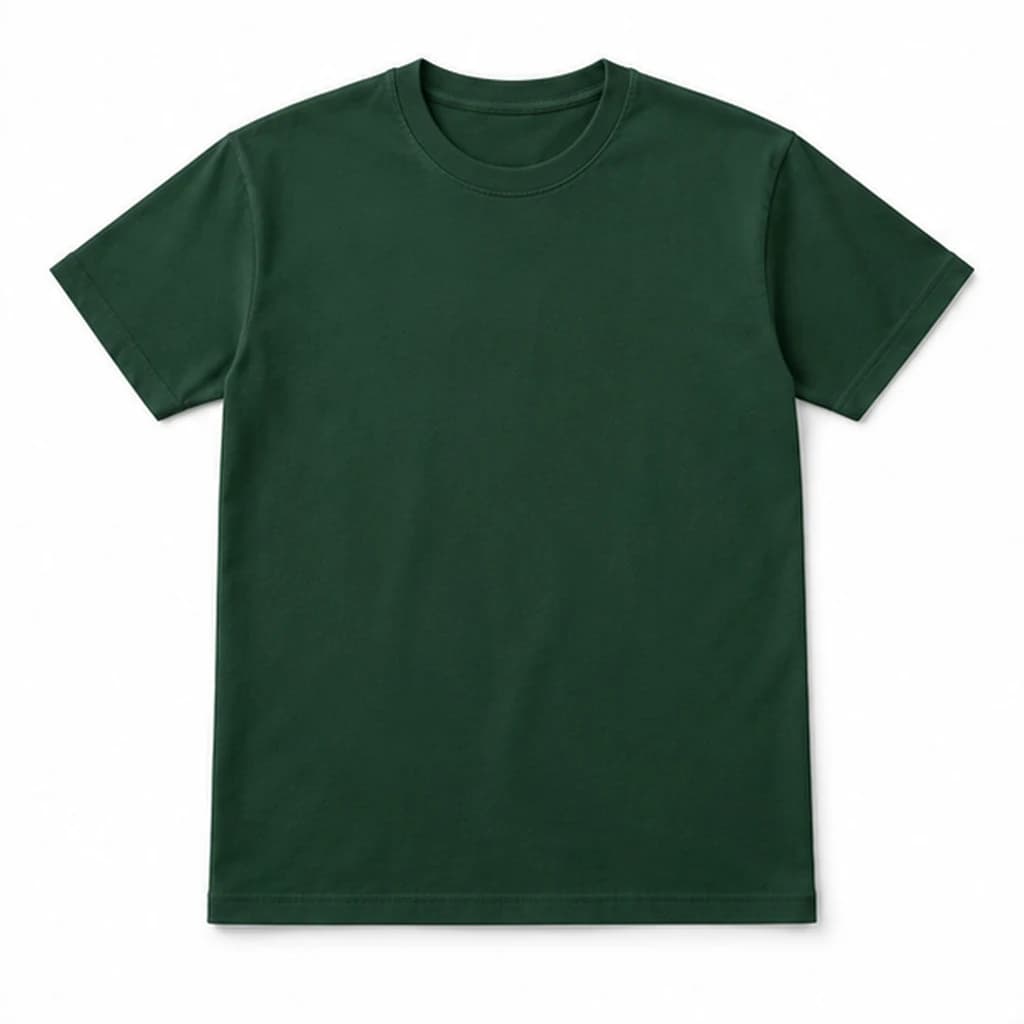
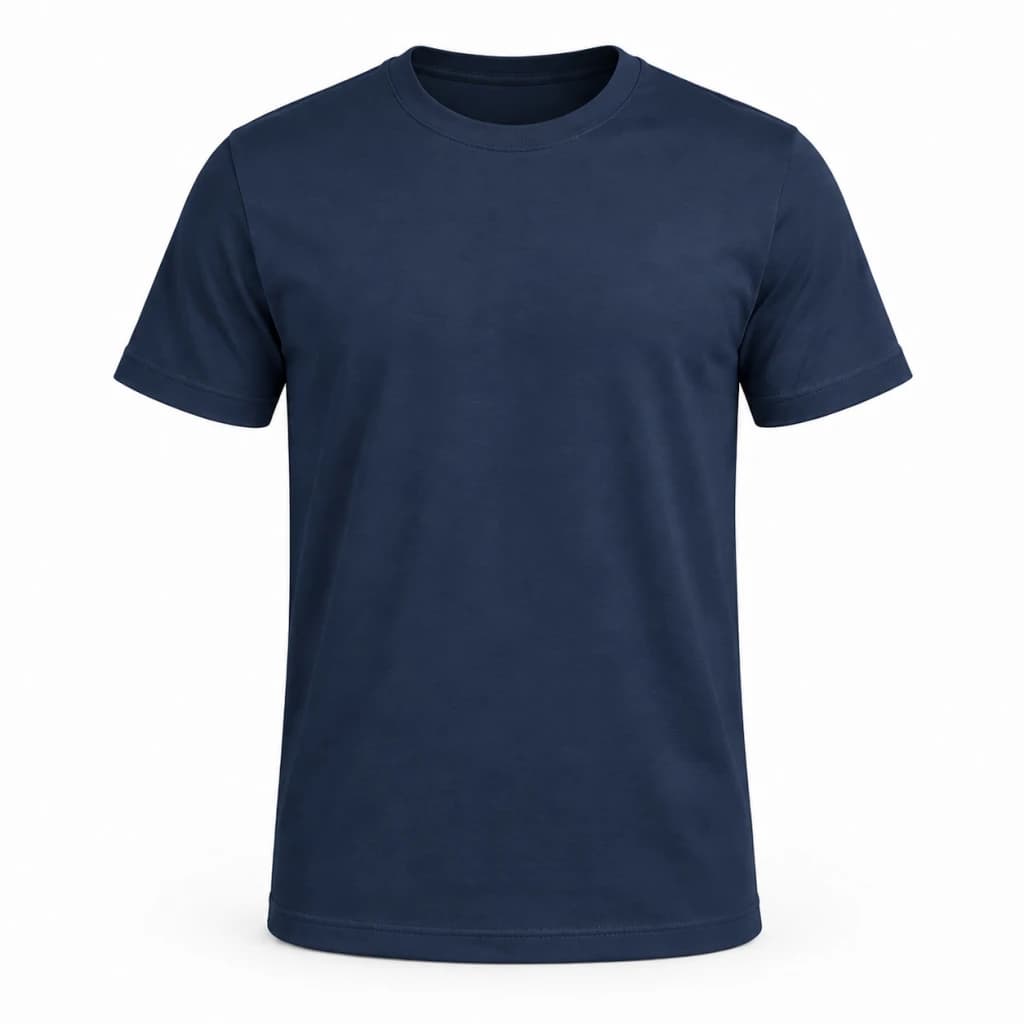
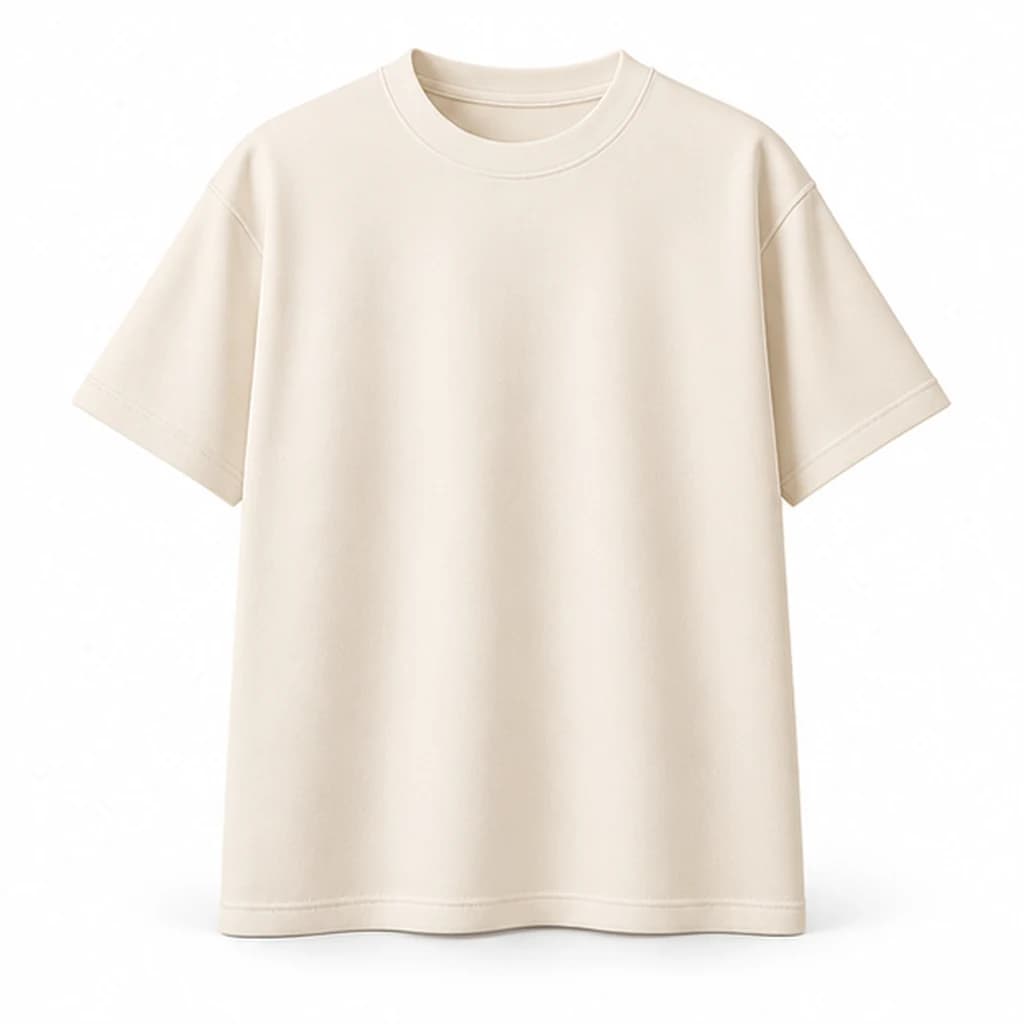
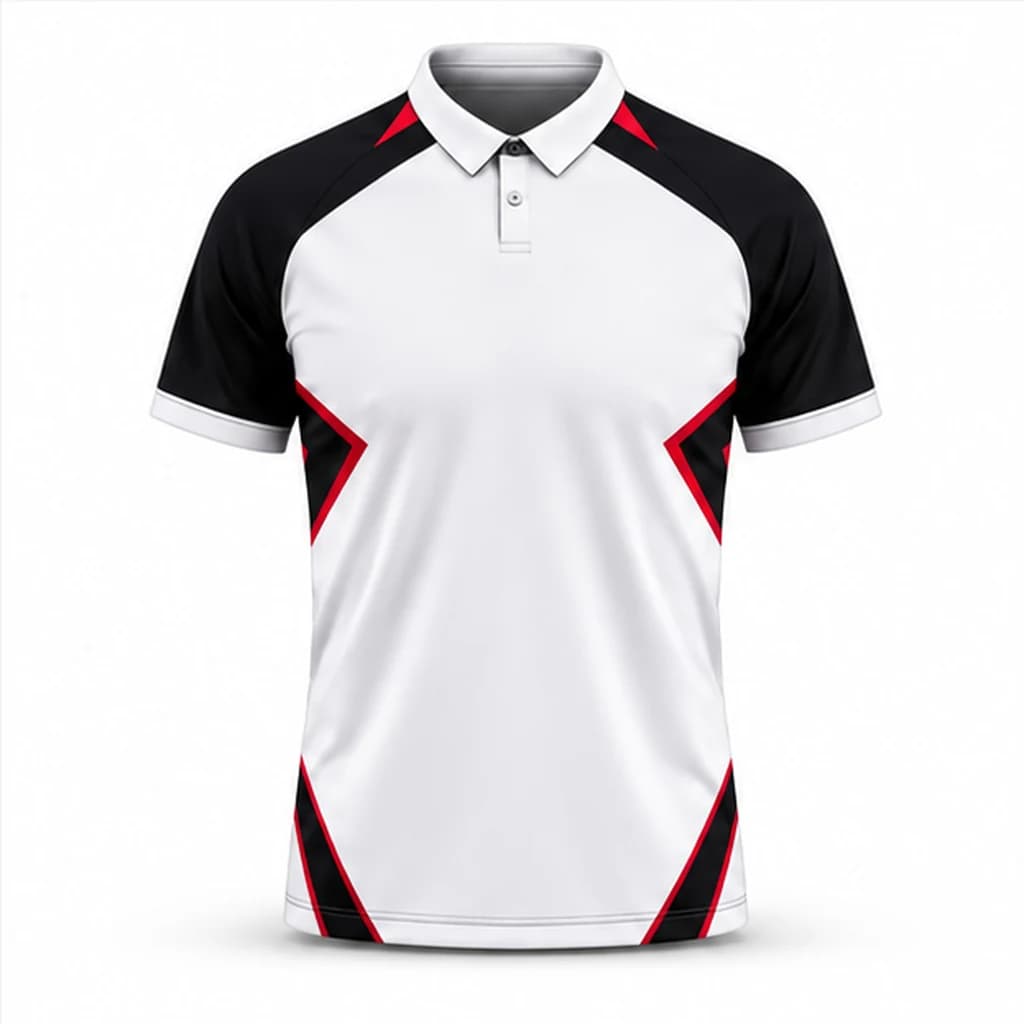
The Lightweight T-Shirt is the one to choose if sublimation is the plan, since it is the technical shirt in the range. The cotton-style shirts take screen printing, DTG or embroidery, so the choice comes down to your artwork. More styles are on the custom T-shirts page and in the full catalogue.
Every order starts with a digital proof that shows the method, position and size of the design on the shirt. Production takes 10 to 20 working days after proof approval, confirmed in the quote. Zintora delivers across the UK and internationally to Europe, the Middle East and Africa, Asia-Pacific and the Americas, to one office or to each person's home.
Printed shirt checklist
- Purpose decided: event, uniform, merchandise or gift
- Fabric chosen to match the method (cotton for DTG, polyester for sublimation)
- Number of colours in the design counted
- Method chosen: screen printing, DTG, transfer, sublimation or embroidery
- Logo supplied as a vector file (PDF, SVG or EPS)
- Print position and size agreed for front, back or sleeve
- Sizes and quantities collected per colour
- Digital proof checked before production
Frequently asked questions
What is the difference between a printed shirt and an embroidered shirt?
A printed shirt carries ink, dye or a heat-pressed film. An embroidered shirt has the design stitched in thread. Printing handles detail and large areas well; embroidery is raised, very durable and looks more formal.
Which shirt printing method lasts longest?
Sublimation does not crack or peel because the colour is inside the polyester fibre, and good screen printing on cotton also lasts well. Durability depends on the fabric, the curing and the wash care as much as on the method.
Can you print on polyester shirts?
Yes, with sublimation on light polyester, or with a transfer or DTF on darker colours. DTG is generally not the right choice for polyester.
Is a screen printed shirt the same as a printed shirt?
It is one kind of printed shirt. "Printed shirt" covers every printing method; "screen printed" names the specific method that pushes ink through a mesh screen.
What do I need to send for a quote?
Your logo as a vector file, the shirt you want, the print positions, the number of colours, the quantity per size and the delivery address or addresses. Request a quote and we confirm the method, minimum and total.
Ready to brand your team's shirts? Browse the catalogue or request a quote with your artwork and quantities.