Embroidered T Shirts for Business: When to Stitch, Not Print
When embroidered T-shirts suit your brand: embroidery vs print, fabric weight, placement and care, plus the catalogue T-shirts and polos that list embroidery, ex VAT.
By Zintora Team
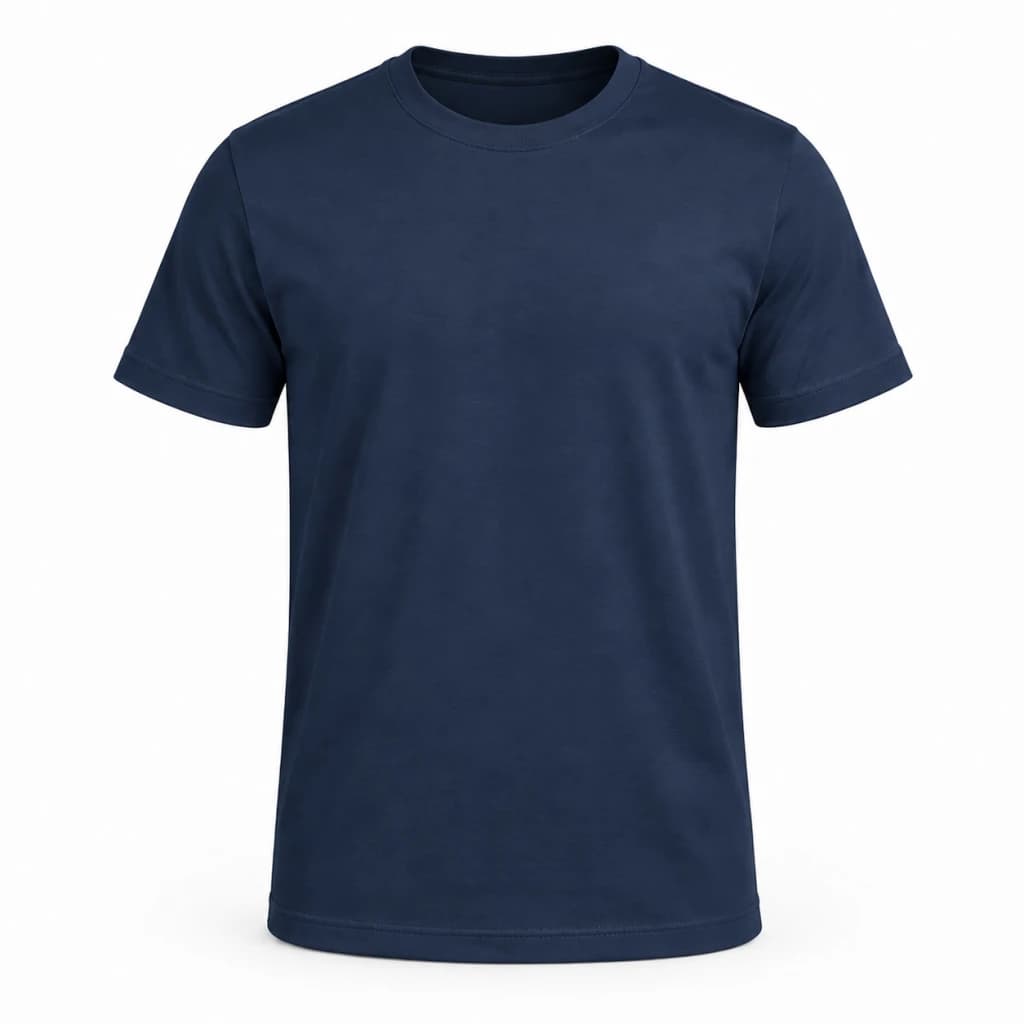
Embroidered t shirts carry your logo in stitched thread rather than ink, which gives a raised, premium finish that suits small chest logos, staff uniforms and gift garments. Embroidery works best on a cotton T-shirt with some body, with a simple design in a few thread colours. For large, detailed or full-colour artwork, printing is usually the better choice.
This guide explains when embroidery is the right call for a business T-shirt, how it compares with printing, which fabrics and placements suit it and which T-shirts in the Zintora catalogue list embroidery as a technique. Every product, price and specification comes from the product pages on zintora.uk. For the full range of printed and embroidered tees, see our custom T-shirts page.
What embroidery on a T-shirt actually is
Embroidery stitches your design directly into the fabric with coloured thread. The logo is first converted into a stitch file, which tells the machine where each stitch goes, in what direction and in which thread colour. The result sits slightly raised on the garment and has a texture that printing does not.
Two things follow from how it works:
- Size and density drive the work. A larger or denser design needs more stitches, so it takes longer to produce and puts more thread into the fabric. A small chest logo is the natural fit.
- Colours are thread colours. Each colour in the design is a separate thread. Logos with a few flat colours translate well; gradients, photographs and very fine lines do not, because thread cannot blend the way ink can.
Because the design is stitched in, there is no ink layer on the surface to crack or fade, which is one reason embroidery is often chosen for garments that will be worn and washed for a long time.
Embroidered vs printed t shirts: which to choose
The question is rarely which technique is better in general; it is which one suits this design on this garment for this use. The table sets out the main differences in general terms. The final technique for any order is confirmed according to the design, material and quantity, and the digital proof shows the result before production.
| Factor | Embroidery | Screen printing | DTG printing |
|---|---|---|---|
| Look | Raised, textured, premium | Flat, bold, solid colour | Flat, full colour, soft |
| Best design size | Small: chest logo, sleeve, back of neck | Medium to large: chest or back | Medium to large, detailed artwork |
| Colours | A few thread colours | A few flat ink colours | Gradients and photographs |
| Fine detail | Limited; small text can lose clarity | Good | Very good |
| Suits | Uniforms, gifts, premium staff wear | Event tees, team runs, larger orders | Short runs of complex designs |
As a rule of thumb, choose embroidery when the logo is small, simple and meant to look understated or premium. Choose printing when the design is large, carries a message on the back or uses many colours. Many orders combine the two: an embroidered logo on the chest and a printed message on the back. For a fuller comparison of methods across all products, our guide to merchandise printing methods covers each technique in more detail.
When embroidered t shirts make sense
Embroidery earns its place in a few common situations:
- Staff uniforms and front-of-house teams. A small embroidered logo on the chest looks tidy and professional, and it suits garments that are washed often.
- Gift garments. When the T-shirt is the gift itself, a discreet stitched logo makes it feel like clothing rather than a giveaway.
- Brand collections and internal shops. A heavier T-shirt with a small embroidered detail sits closer to retail clothing than a promotional tee.
- Welcome kits. A neat embroidered tee pairs well with the other items in an employee welcome pack.
Embroidery is less suited to a one-day event T-shirt with a large graphic, a design that changes every year or artwork full of fine detail. In those cases a printed tee is usually the more practical choice.
Which T-shirts in the catalogue list embroidery
Not every T-shirt supports embroidery. The products below list it as an available technique on their product pages. Weights are given only where the product page states one.
| T-shirt | Fabric (as listed) | Techniques listed | Minimum | From (ex VAT) |
|---|---|---|---|---|
| Classic T-Shirt | Confirmed in the quote | Screen printing, DTG, embroidery | 25 | £6.79 |
| Core Cotton T-Shirt | Combed cotton, 180 g/m² | Screen printing, DTG, embroidery | 25 | £6.79 |
| Premium Pima T-Shirt | Pima cotton, weight confirmed in the quote | Screen printing, DTG, embroidery | 25 | £9.65 |
| Verde Organic T-Shirt | Organic cotton | Water-based screen printing, embroidery | 25 | £10.37 |
| Heavyweight Oversized T-Shirt | 100% Pima cotton, 240 g/m² (supplier) | Screen printing, DTG, embroidery | 25 | £11.80 |
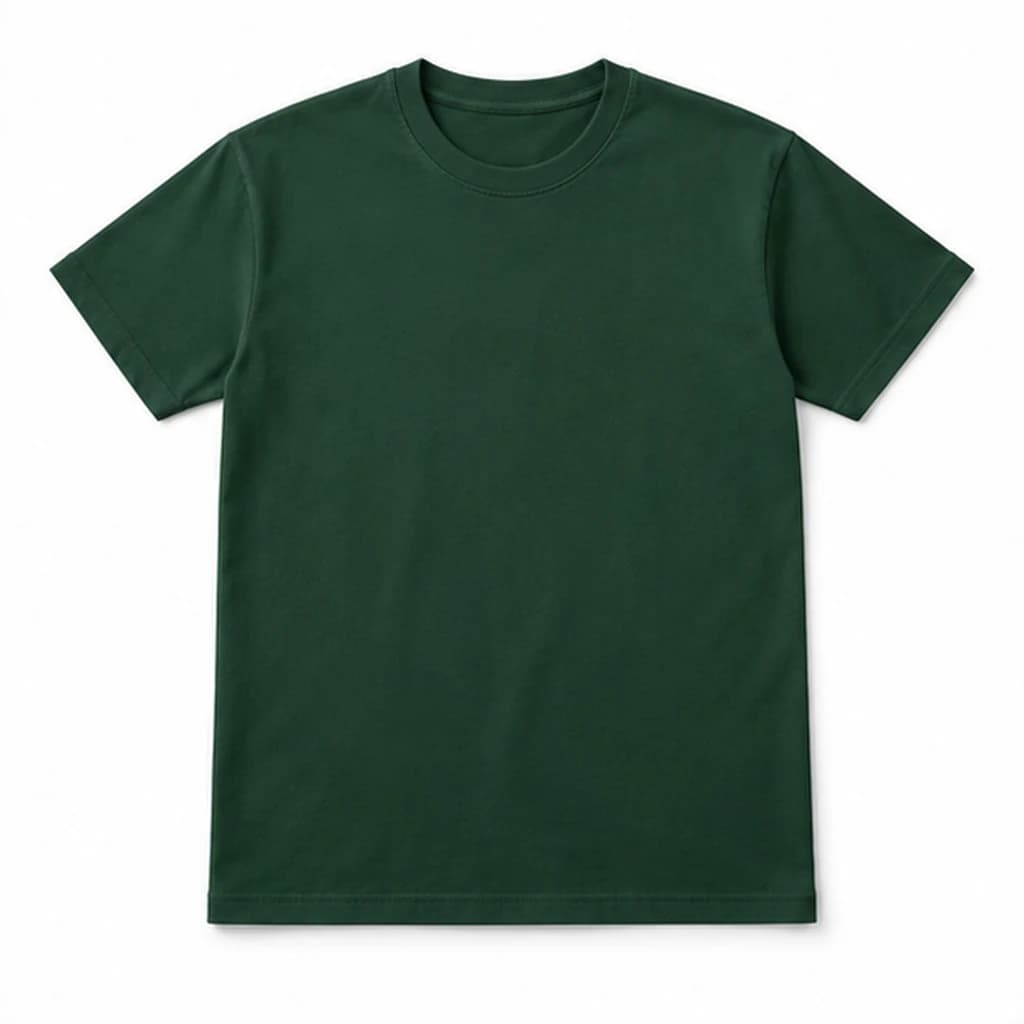
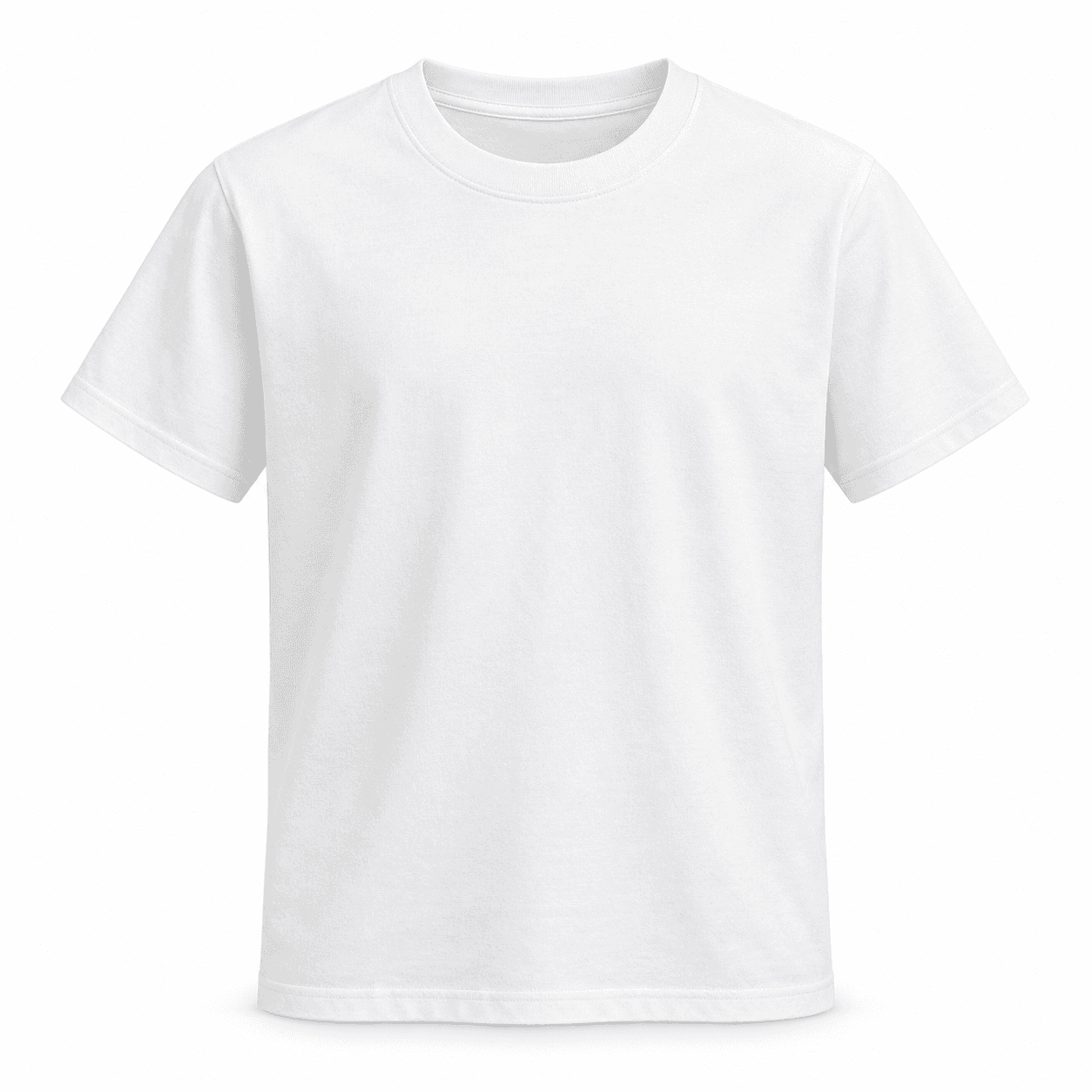
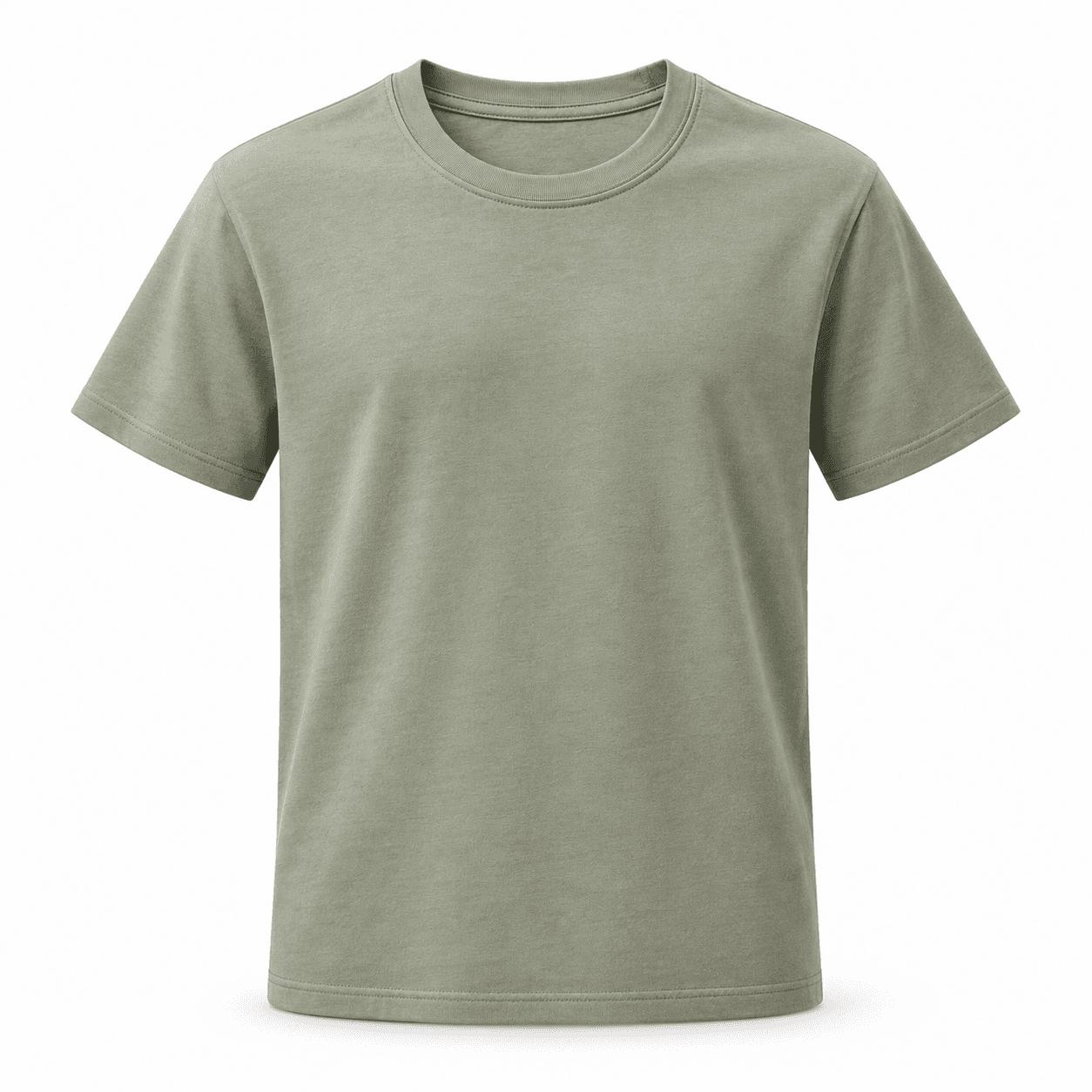
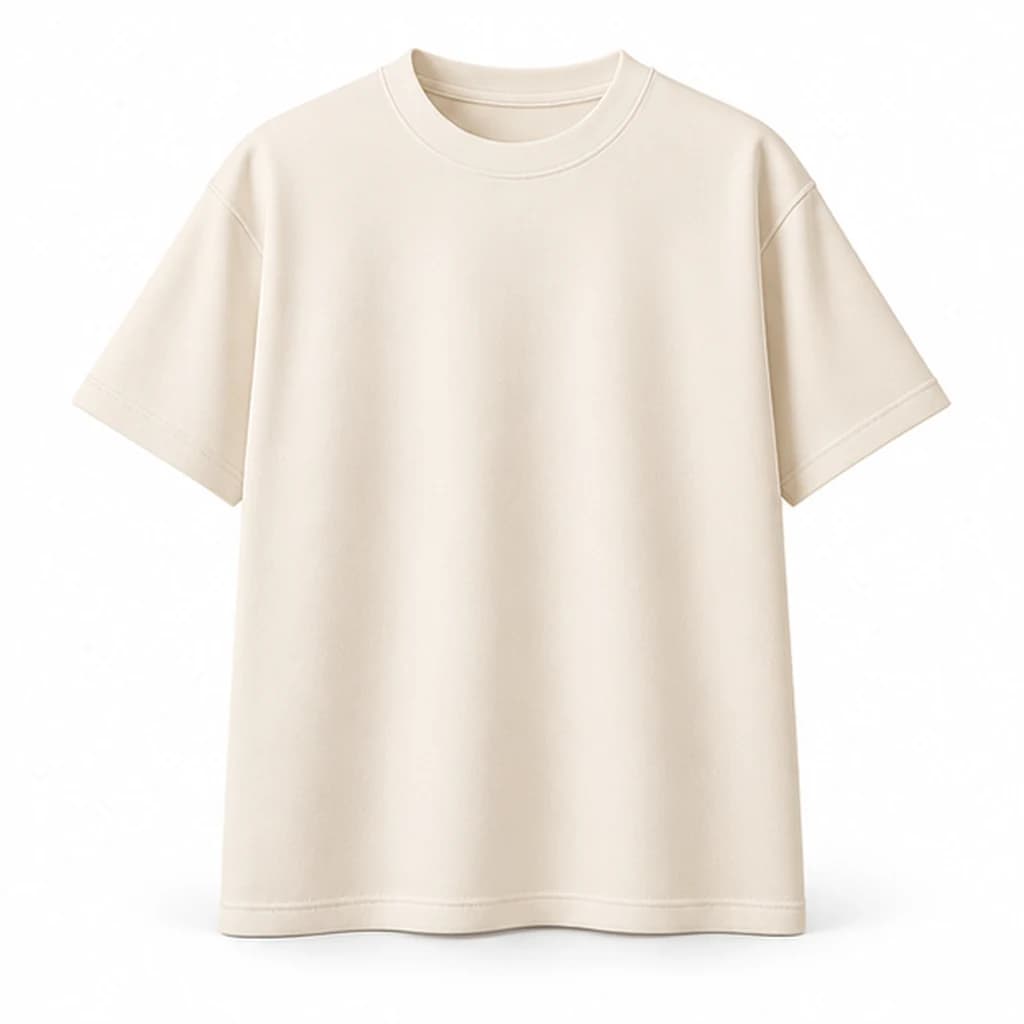
Prices are starting prices shown in the catalogue on 15 October 2026, ex VAT; printing and delivery are extra, UK import VAT and duties are paid on delivery.
A few notes on each:
- Classic T-Shirt, from £6.79 ex VAT. A crew-neck, unisex T-shirt in five base colours (red, white, bottle green, black and navy blue). Its product page suggests embroidery for a small emblem on the chest. The fabric composition and weight are confirmed in the quote for the batch.
- Core Cotton T-Shirt, from £6.79 ex VAT. Pre-shrunk, ring-spun combed cotton at 180 g/m², with a double-stitched collar and sizes XS to 3XL. Colours are white, black, forest green, sand and navy blue.
- Premium Pima T-Shirt, from £9.65 ex VAT. The catalogue's choice when the T-shirt is the gift. Its product page notes that a small logo on the chest or text at the back of the neck usually works well. Colours include royal blue, red, navy blue, white and black.
- Verde Organic T-Shirt, from £10.37 ex VAT. Organic cotton, garment-dyed in muted earth tones. It lists water-based screen printing and embroidery.
- Heavyweight Oversized T-Shirt, from £11.80 ex VAT. A loose, heavy T-shirt for brand collections. Its product page suggests embroidery for a small detail and screen printing for large designs on the chest or back.
Some T-shirts in the range do not list embroidery. The Heather Crew Neck T-Shirt lists screen printing and DTG printing, and the Lightweight T-Shirt, a technical raglan tee, lists sublimation and transfer. If embroidery matters to you, choose from the list above.
Fabric weight and embroidery
Embroidery puts thread and tension into the fabric, so the garment underneath matters. In general terms, a T-shirt with more body gives a stitched logo a steadier base, while a lighter or stretchier fabric is better suited to a small, open design than a large, dense one.
Of the T-shirts above, the Heavyweight Oversized T-Shirt is the heaviest listed weight at 240 g/m², and the Core Cotton T-Shirt is listed at 180 g/m². Where a product page does not state the weight, it is confirmed in the quote for the batch you order. If you plan a larger embroidered design, mention it in your request so the proposal can recommend the right garment and size of logo.
Placement, size and thread colours
Placement is where embroidery usually succeeds or fails. The common options are:
- Left chest. The classic position for a small logo, and the one most product pages suggest for embroidery.
- Back of the neck. A short word or small mark below the collar, which suits gift and premium garments.
- Sleeve. A small mark on the sleeve, often combined with a chest logo.
- Centre chest. Possible for a slightly larger mark, though a large central design is often better printed.
Keep the design simple. Thick, clear shapes and a small number of thread colours give the cleanest result. Very small text can lose clarity, so it often helps to use a simplified version of the logo for embroidery. Thread colour should contrast with the garment colour; tone-on-tone embroidery, such as navy thread on a navy T-shirt, is a deliberate, understated choice that works well for gifts.
Send your logo as a vector file if you have one. The digital proof shows the position, size and colours of the branding on the chosen garment colour, and nothing goes into production until you approve it.
Embroidered polo shirts as an alternative
For uniforms and customer-facing teams, an embroidered polo is often the step up from a T-shirt. The collar and placket give a smarter look, and the piqué fabric suits a stitched logo.
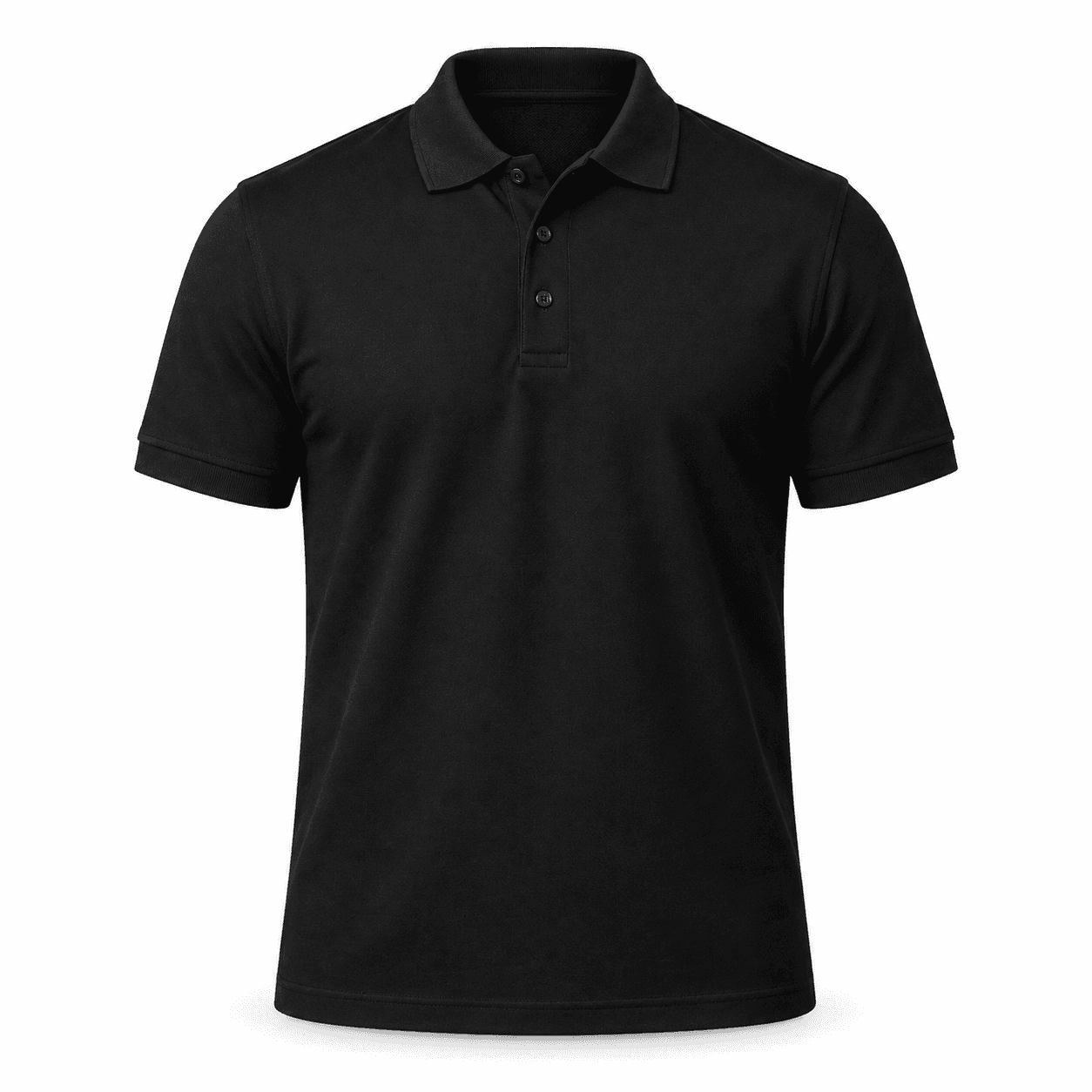
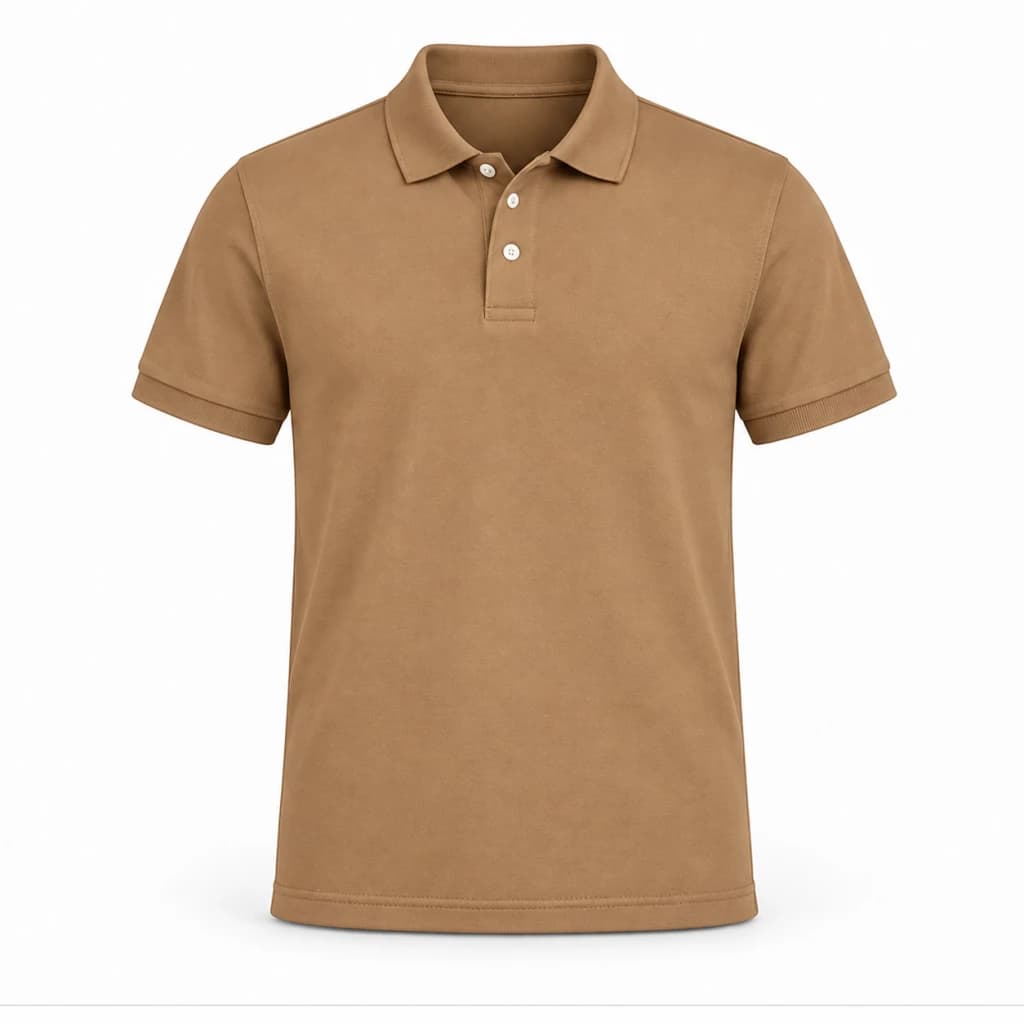
- Insignia Polo, from £12.80 ex VAT, minimum 10. A 220 g/m² cotton piqué polo with a ribbed collar and a three-button placket, in sizes XS to 3XL. It lists embroidery, DTG printing and transfer, and can be branded on the front, back or right sleeve.
- Classic Polo, from £12.51 ex VAT, minimum 25. A short-sleeved polo in eight colours, which lets you assign one shade per department. Its product page suggests embroidery of the logo on the chest combined with screen printing on the back.
Our guide to custom polo shirts compares every polo in the range, including the heavier and technical models.
Caring for embroidered T-shirts
Embroidered garments last well when they are washed with a little care. General advice that helps:
- Wash inside out at the temperature on the garment's care label.
- Avoid ironing directly on the embroidery; iron on the reverse if needed.
- Avoid harsh bleach, which can affect thread colours.
- Fold rather than hang heavy T-shirts to keep the shape.
Share these points with staff when you hand out uniform tees, so the garments keep their appearance for longer.
Ordering, lead time and delivery
Embroidered T-shirts are made to order. Tell us the garment, colours, sizes, quantities and where the logo goes, and attach your logo file. The quote confirms the technique, price and delivery for your order, and the digital proof fixes the details before production.
Production takes 10 to 20 working days after proof approval, confirmed in the quote. Zintora delivers across the UK and internationally to Europe, the Middle East and Africa, Asia-Pacific and the Americas. Delivery can go to one office or to several addresses.
If your order has sustainability requirements, we confirm the composition and any certification for the batch in writing before production. The only certificate we name is the GRS of The Tenth House, checked per lot; certificates for other products are available on request. Our sustainability page explains how we handle documentation.
Embroidered t shirts checklist
- Design simplified for embroidery: clear shapes, few colours, no gradients
- Logo sent as a vector file
- T-shirt chosen from the models that list embroidery
- Fabric weight checked on the product page or in the quote
- Placement agreed: left chest, back of neck, sleeve or centre chest
- Thread colours chosen to contrast with, or match, the garment
- Printed elements, if any, planned alongside the embroidery
- Sizes and colours split to meet the minimum
- Delivery addresses listed
- Digital proof checked and approved
Frequently asked questions
Are embroidered t shirts better than printed ones?
Neither is better in every case. Embroidery gives a raised, premium finish that suits small logos and garments that are washed often. Printing suits large designs, many colours and fine detail. Many orders combine both.
Can I get custom embroidered t shirts with my logo?
Yes. The Classic T-Shirt, Core Cotton T-Shirt, Premium Pima T-Shirt, Verde Organic T-Shirt and Heavyweight Oversized T-Shirt all list embroidery. Send your logo with your request and the digital proof shows the result before production.
What is the minimum order for embroidered T-shirts?
The T-shirts in this guide have a minimum of 25 units, which can be split across sizes and colours. The Insignia Polo has a minimum of 10 units.
How much do embroidered T-shirts cost?
The T-shirts in this guide start from £6.79 ex VAT for the Classic and Core Cotton T-Shirts. Embroidery and delivery are added in the quote, depending on the design, quantity and destination.
Where should an embroidered logo go on a T-shirt?
The left chest is the most common position for a small logo. The back of the neck and the sleeve also suit embroidery. Large central designs are usually better printed.
Ready to order? Browse the catalogue or request a quote with the T-shirt, quantities, sizes, logo file and delivery date. For other branded clothing and accessories, see our branded merchandise range.