New starters
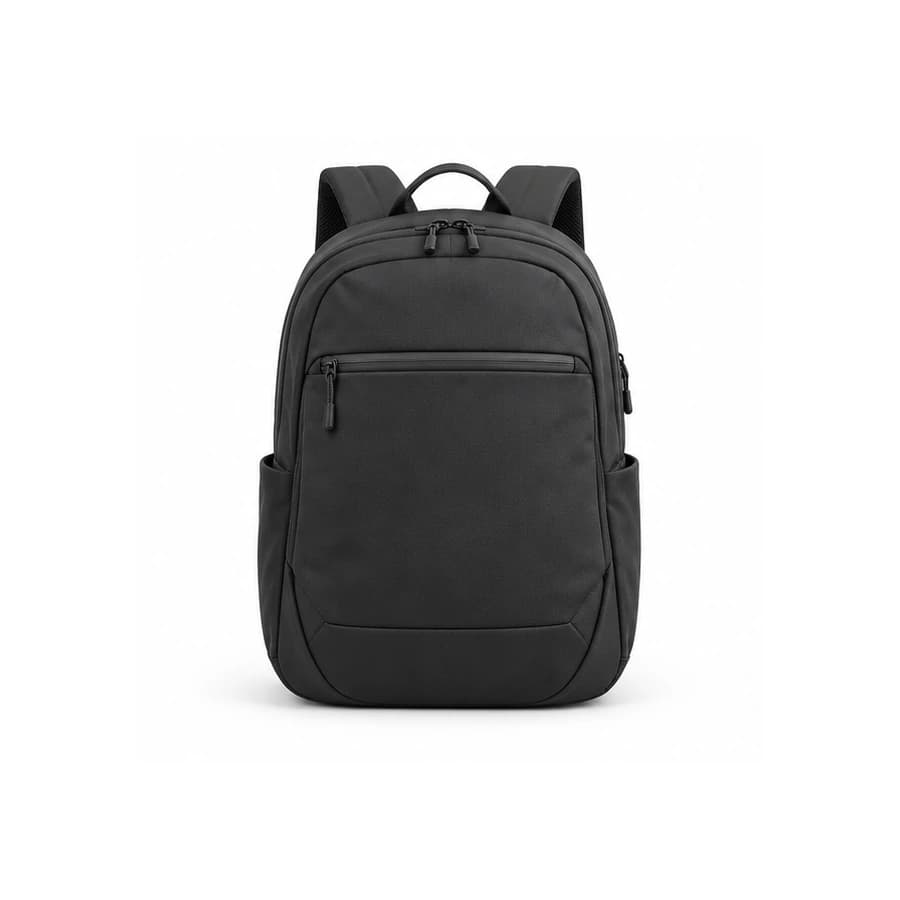
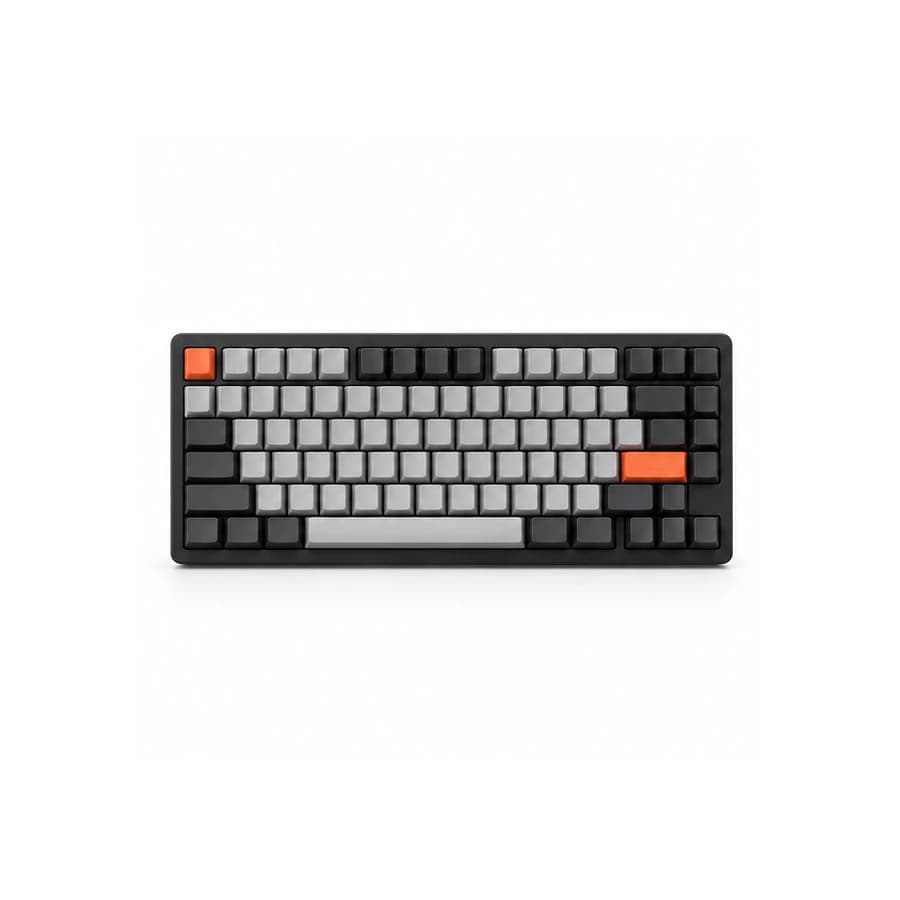
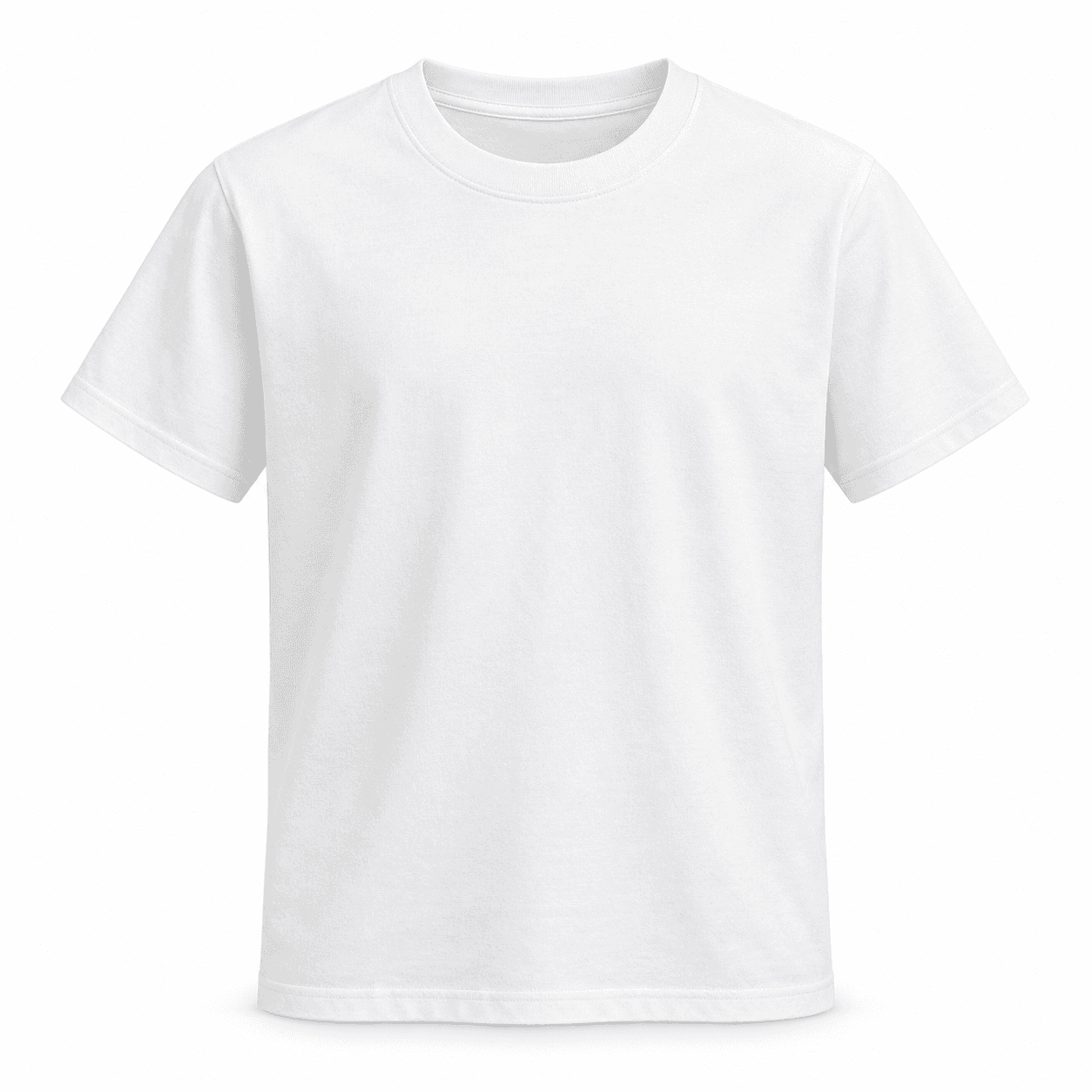
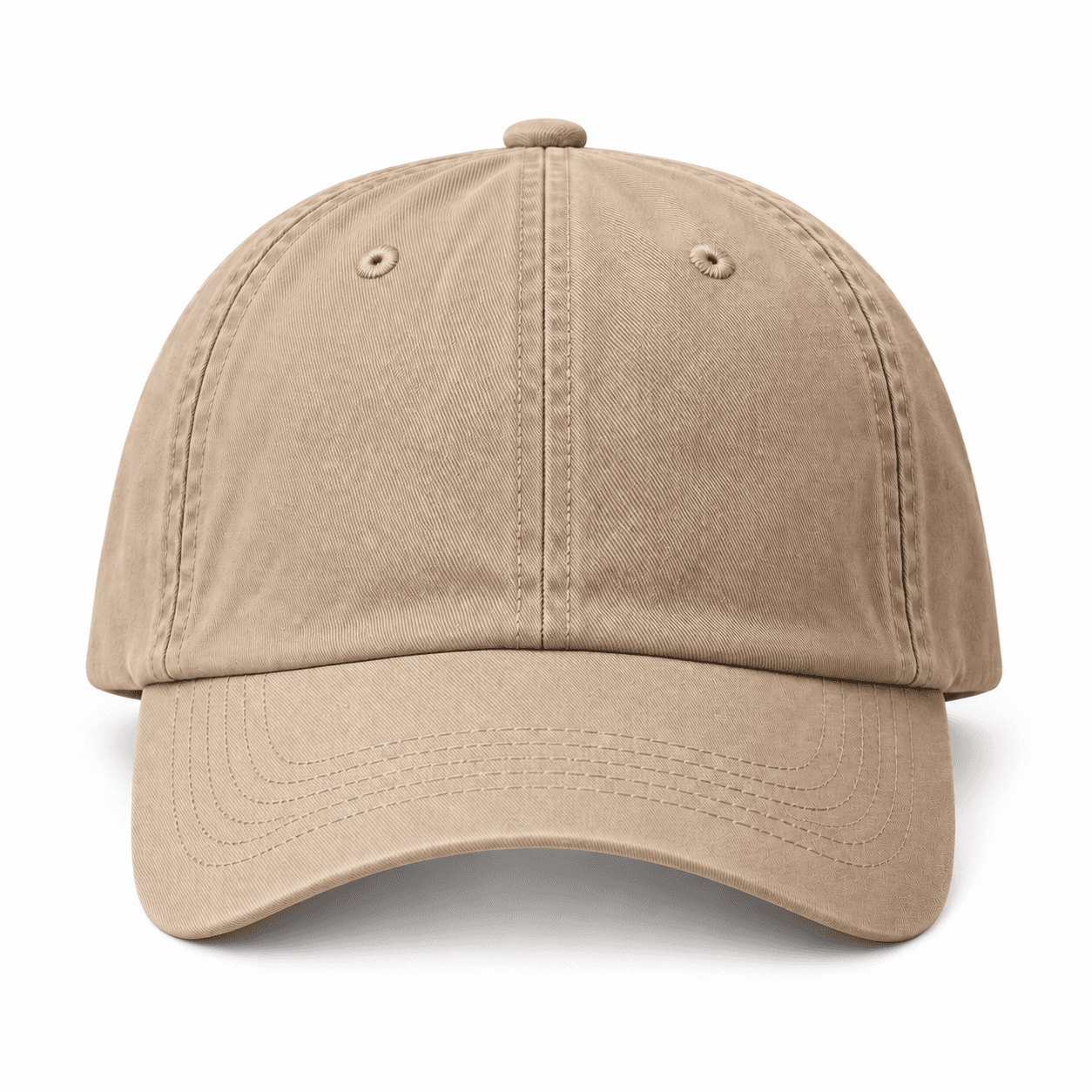
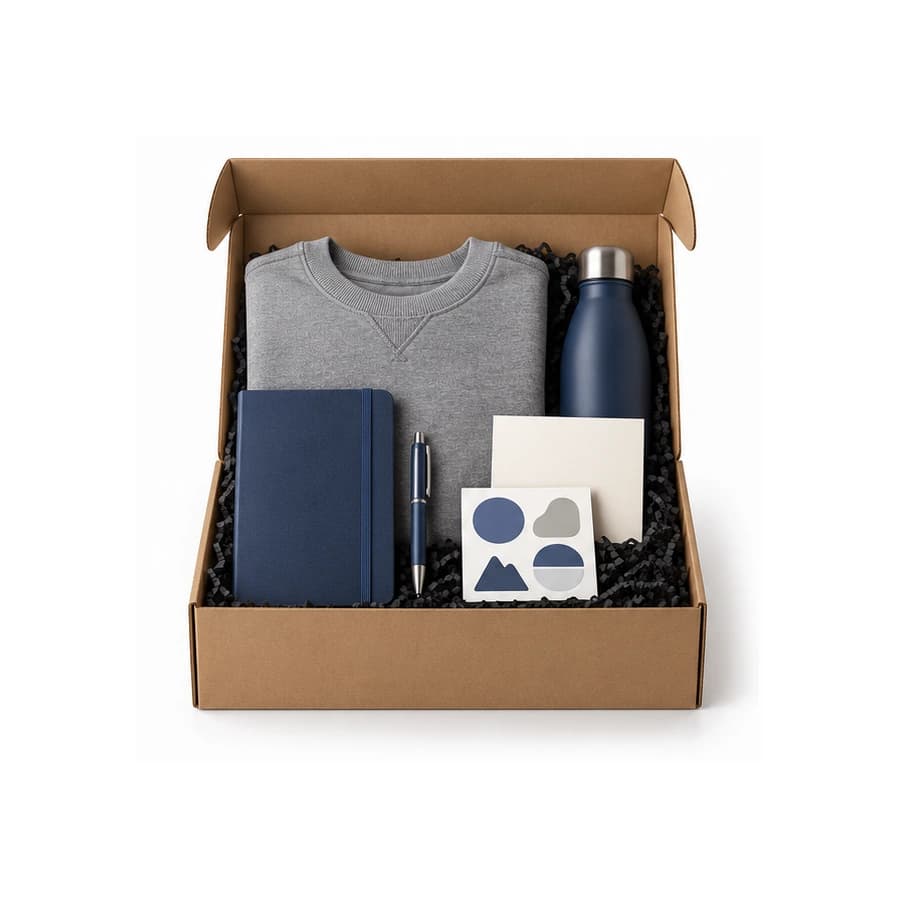
A welcome kit with a garment, bottle or notebook and a card for the first day, sent to the office or to their home.
Employee welcome packsDelivery to EMEA, APAC and the AmericasA specialist replies to every requestDelivery across EMEA, APAC and the Americas·A specialist replies to every quote request
Merchandise people keep
Branded merchandise means products personalised with your logo for your team, your clients and your events. Compare 12 categories with their indicative price and minimum order, and ask for a quote that covers personalisation, packaging and delivery, handled by a single team.
Good corporate merchandise does three things: it reinforces your brand identity, it builds a sense of belonging in the team and it makes your brand visible in the outside world.
Poor corporate merchandise ends up in a drawer or a charity bag. The difference is not the budget: it is the choice of product, the quality of the supplier and the personalisation process.
At Zintora we manage the whole process: from choosing the item to delivery at your team's door, with a specialist who knows your brand and answers your questions directly.
Planning for the end of the year? See our corporate gifts and the Christmas Packs, and plan lead times from October.
Each category has its own page with every active model, the table of prices and minimums, the marking techniques and the lead times. Prices are indicative starting prices, ex VAT; personalisation and delivery extra, and they are read from the catalogue on every visit.
Looking for ready-made compositions? The catalogue Packs state their price per kit, and corporate gifts bring together packs and products by recipient and budget. The full catalogue lets you filter by price and minimum order.
Personalised merchandise is products for real use (clothing, bags, mugs, bottles, notebooks or pens) to which a company's logo or design is applied with a marking technique such as screen printing, embroidery, digital printing or engraving. Unlike a generic item, each piece is produced with your identity, in the quantity you need and for a specific use.
Companies use it to welcome new starters, dress a team, hand out at trade shows and events, or thank a client. The decision starts with three questions: who will use it, how many units are needed and what the budget is per person. That decides the product, the technique and the packaging.
If you want a gift more than a branded item, see our corporate gifts; for single units, there is print on demand.
To dress the team, compare custom T-shirts and custom hoodies for businesses, with their minimums and marking techniques per model.
A selection of active products with their indicative price and minimum. Open the product page for colours, personalisation techniques and details.
Each catalogue product shows an indicative from price (ex VAT; personalisation and delivery extra) and its minimum quantity. There is no single minimum for the whole catalogue: it depends on the product. Some current starting points:
| Product | Indicative price from | Minimum |
|---|---|---|
| Custom Simple Pen | £0.36 | 250 pcs |
| Custom Event Lanyard | £0.43 | 100 pcs |
| Custom Everyday Keyring | £0.79 | 100 pcs |
| Linea Gel Pen | £2.68 | 100 pcs |
| Canvas Market Tote Bag | £3.93 | 50 pcs |
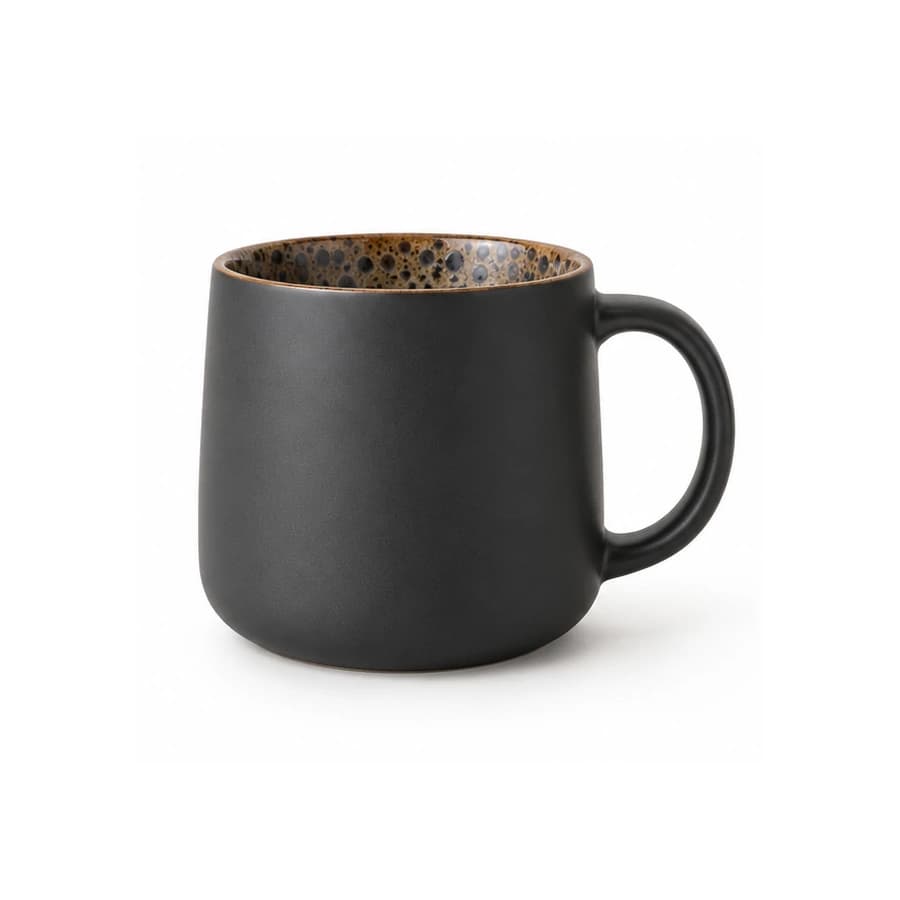
| Cobble Ceramic Mug | £3.93 | 48 pcs |
| Core Cotton T-Shirt | £6.79 | 25 pcs |
| Classic Cap | £6.79 | 25 pcs |
| Insignia Polo | £12.80 | 10 pcs |
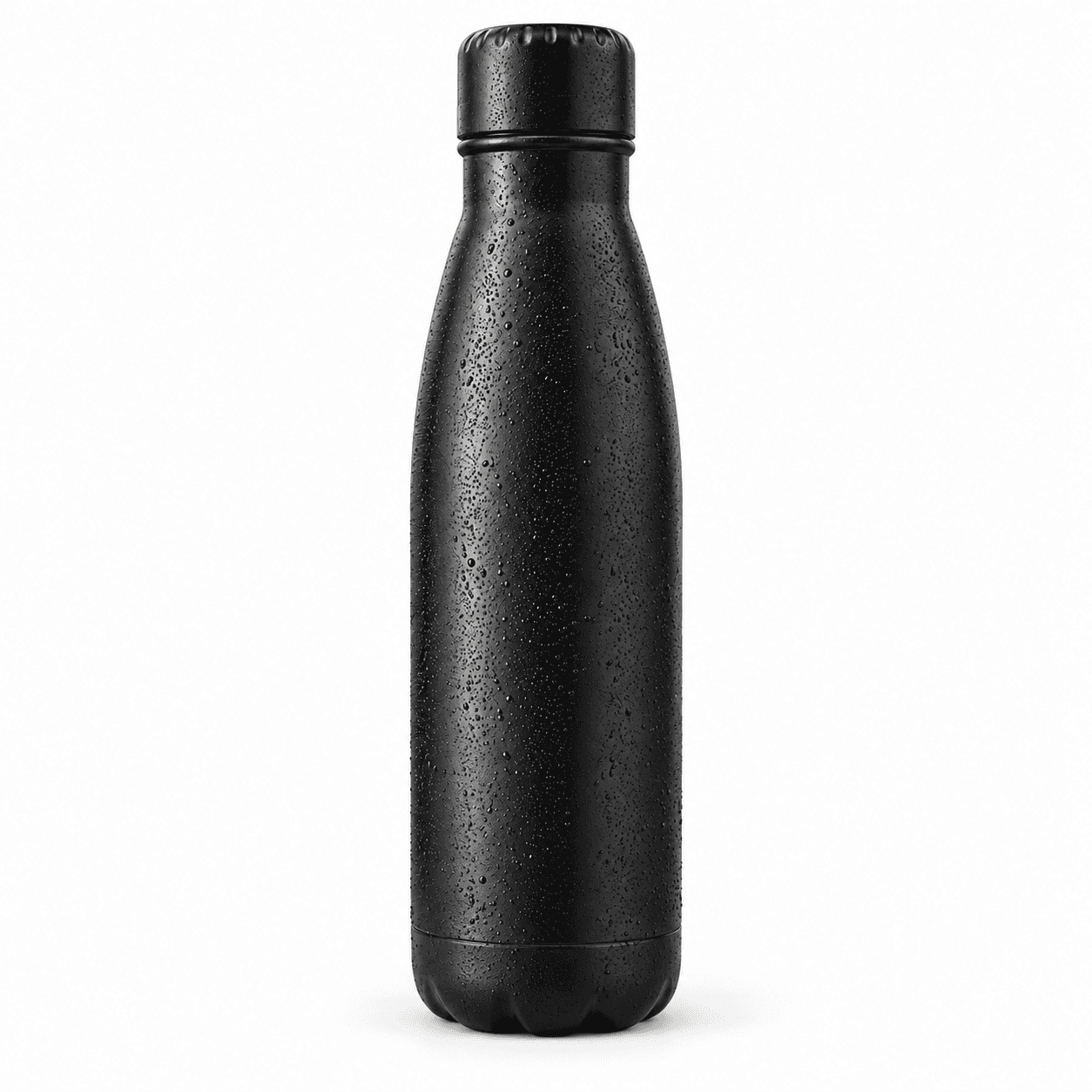
| Atlas Steel Bottle | £12.87 | 25 pcs |
| Crew Neck Sweatshirt | £17.16 | 25 pcs |
The quote separates product, personalisation, packaging, delivery and tax, so you can compare like with like.
For trade shows, campaigns and wide handouts, compare promotional pens, branded keyrings and printed tote bags by minimum, technique and lead time.
A practical way to set the budget is to start from the use. For a wide handout at a trade show, count the cost per contact and choose items with a low starting price. To dress the team, the cost per person depends on the garment and on whether it is embroidered or printed. For a new starter or a key client, compare the price per kit of a Pack with the sum of the products you would choose to order, and add the box and the card. In every case, multiply the price by the product's minimum to see the value of the smallest order.
Start with the items with the lowest starting price (in the table, Custom Simple Pen from £0.36 with a minimum of 250 units) and check the minimum: a low unit price with a high minimum can cost more in total than a slightly dearer item ordered in a few units.
Cheap does not have to mean disposable: an item used every day carries your brand for longer. If you are ordering a few units, see print on demand or compare the Packs with a price per kit.
The technique depends on the material and the design. These are the most common ones; each product page states the ones that model supports, and the digital proof shows the result before production.
| Technique | How it works and when it fits |
|---|---|
| Screen printing | Ink is pushed through a screen, one per colour. It suits logos with few colours on textiles, bags and flat surfaces, and medium to large runs. |
| Embroidery | The logo is stitched onto the garment. It gives texture and a more formal look; common on polos, caps, hoodies and backpacks. |
| Laser engraving | The laser marks the material itself, with no ink. A tone-on-tone finish on metal, wood, bamboo or cork; widely used on pens, bottles and client gifts. |
| UV printing | Ink cured with ultraviolet light, in full colour, on rigid surfaces such as desk accessories or cases. |
| DTG printing | Digital printing directly onto the garment: full colour with no screens, useful for designs with gradients or photographs. |
| Heat transfer | The design is printed onto a carrier and fixed with heat. It works for colour designs on textiles and for personalising single units, such as names. |
| Sublimation | The ink becomes part of polyester fabrics or prepared surfaces. It allows full-colour, edge-to-edge designs. |
| Pad printing | A silicone pad transfers the ink to small or curved surfaces, such as the barrel of a pen. |
From brief to delivery in five steps. Requesting a quote is free and does not require payment.
1. Define the goal and the audience
Who will use it (team, clients, event attendees), for what occasion, how many units and what budget per person. That narrows down the product and the technique.
2. Choose products or a Pack
In the catalogue each product page shows its indicative price, minimum and personalisation techniques. Packs state their price per kit.
3. Send the quote request
Give quantities, sizes, date and delivery addresses, and upload your logo. Requesting a quote does not require payment.
4. Review the proposal and the proof
You receive a breakdown of product, personalisation, packaging, delivery and tax, and a digital proof with your logo to approve placement, size and colour.
5. Production and delivery
Standard production is 10 to 20 working days after proof approval, as a guide; the exact lead time is confirmed in the quote. We deliver to EMEA, APAC and the Americas.
Some products can also be bought directly at a fixed price and paid for online, without a quote. The rest are handled by quote.
A welcome kit with a garment, bottle or notebook and a card for the first day, sent to the office or to their home.
Employee welcome packsBags, pens, keyrings and caps to hand out on the stand, delivered to the venue before opening.
Printed tote bags for eventsItems for personal use with discreet marking and careful presentation to close a project or renew a contract.
Corporate gifts for clientsGifts for the team and clients, with lead times planned from October so they arrive before the holidays.
Christmas PacksThe same T-shirts, polos and hoodies for the whole team, with sizes collected per person.
Custom T-shirts for businessesMugs, notebooks and desk accessories for the office or for anyone working from home.
Printed mugsStart with a few well-chosen items and extend in phases as people join.
Ready-made PacksProducts with the material stated on their product page, certificates on request and an estimated footprint in the quote.
Sustainability at ZintoraMerchandise suppliers differ less in their catalogue than in how they work: what information they give before the quote, how they validate the design, which lead times they commit to and what they can document. These seven points let you compare suppliers on equal terms, including us.
Seeing the indicative price, minimum order, marking techniques and lead time of each product before you ask for a quote saves rounds of questions and lets you compare.
At Zintora: Each catalogue page shows the indicative from price (ex VAT; personalisation and delivery extra), the minimum and the techniques available.
A single minimum for the whole catalogue forces you to over-order. Ask for the minimum on each item and what the option is for small quantities.
At Zintora: The minimum depends on the product and is on its product page; for single units there is print on demand.
The proof fixes the placement, size and colours of the logo. Without it, mistakes are found when the goods are already made.
At Zintora: You receive a digital proof with your logo and nothing is produced until you approve it.
A lead time is only useful if it says when it starts counting and whether it includes delivery. Ask for production and delivery separately.
At Zintora: Production of 10 to 20 working days from proof approval, or the lead time stated on the product page, confirmed in the quote.
Delivery to one office is not the same as shipments to each person or to several countries. Check where the supplier delivers.
At Zintora: We deliver to EMEA, APAC and the Americas: to an office, an event venue or each member of the team.
If a supplier talks about recycled or organic materials or carbon footprint, ask for the certificate, who holds it and its scope, or the specific figure.
At Zintora: Certificates for certified products on request, and an estimated carbon footprint per product in the quote. We do not claim carbon neutrality for any product.
Two offers can only be compared if they break down the same things. A unit price without personalisation, packaging or delivery is not the real cost.
At Zintora: The quote separates product, personalisation, packaging, delivery and tax, and requesting one does not require payment.
To compare equivalent offers, send each supplier the same description: goal, products or use, quantities, logo and preferred technique, date and delivery addresses. Separate the mandatory requirements from the preferences, and ask each offer to break down product, personalisation, packaging, delivery and tax. If a condition is still open, mark it instead of comparing an estimate with a firm offer.
If you are looking for a supplier for products with sustainability requirements, also read our sustainability page and our page on quality and certifications. When you have the brief, request a quote.
Sourcing, personalisation, packaging and delivery are handled by a single team.
Each item states its own minimum quantity; you do not need to order 500 pieces to get premium quality.
Before you approve anything, you see exactly how your logo will look on each item.
For teams in the office, remote or spread across several countries.
Organic cotton and recycled material options depending on the product, an estimated carbon footprint per product in the quote, and certificates on request.
A specialist replies to every quote request.
Everyday products (clothing, bags, mugs, bottles, notebooks, pens or kits) personalised with a company's logo for its team, its clients or its events. It is used to strengthen the brand, welcome new starters and thank clients.
It depends on the product, the quantity and the technique. In the current catalogue the item with the lowest starting price is Custom Simple Pen, from £0.36 per unit (ex VAT; personalisation and delivery extra). Each category on this page shows its own from price. UK import VAT and duties are paid on delivery.
There is no single minimum: each product states its own, from 1 unit in the current catalogue. For single units on compatible products there is print on demand.
Standard production is 10 to 20 working days after you approve the digital proof; if the product page states its own lead time, that one applies. The exact lead time, including delivery, is confirmed in the quote.
Depending on the product: screen printing, embroidery, laser engraving, UV printing, DTG printing, heat transfer, sublimation and pad printing, among others. Each product page states the techniques available for that model.
Yes. We deliver to EMEA, APAC and the Americas, to a single address, to an event venue or with individual shipments to each person. Give the addresses in your request; delivery is shown separately in the quote.
Yes. You receive a digital proof with your logo to approve placement, size and colour, and nothing is produced until you approve it.
There are products with recycled, organic or other attributes stated on their product page. Certificates for certified products are sent on request and the quote includes an estimated carbon footprint for each product. We do not claim carbon neutrality for any product.
Branded merchandise is usually an item with a logo for a large group (team, event, campaign). A corporate gift is chosen for one person or client and puts more into the presentation. Both are ordered in the same way; for gifts, see our corporate gifts page.
No obligation to buy. A specialist prepares your quote with prices, mock-ups and a delivery plan.
Compare models, minimums and personalisation options before you prepare your request.
First-party and third-party cookies for analytics and advertising. Accept or reject.We use first-party and third-party cookies for analytics and advertising. You can accept or reject them. Privacy policy