Screen Printed T Shirts: How Screen Printing Works for Business
How screen printed t shirts are made, when screen printing beats DTG or embroidery, how colours affect the price, artwork tips and which catalogue tees take it, plus a checklist.
By Zintora Team
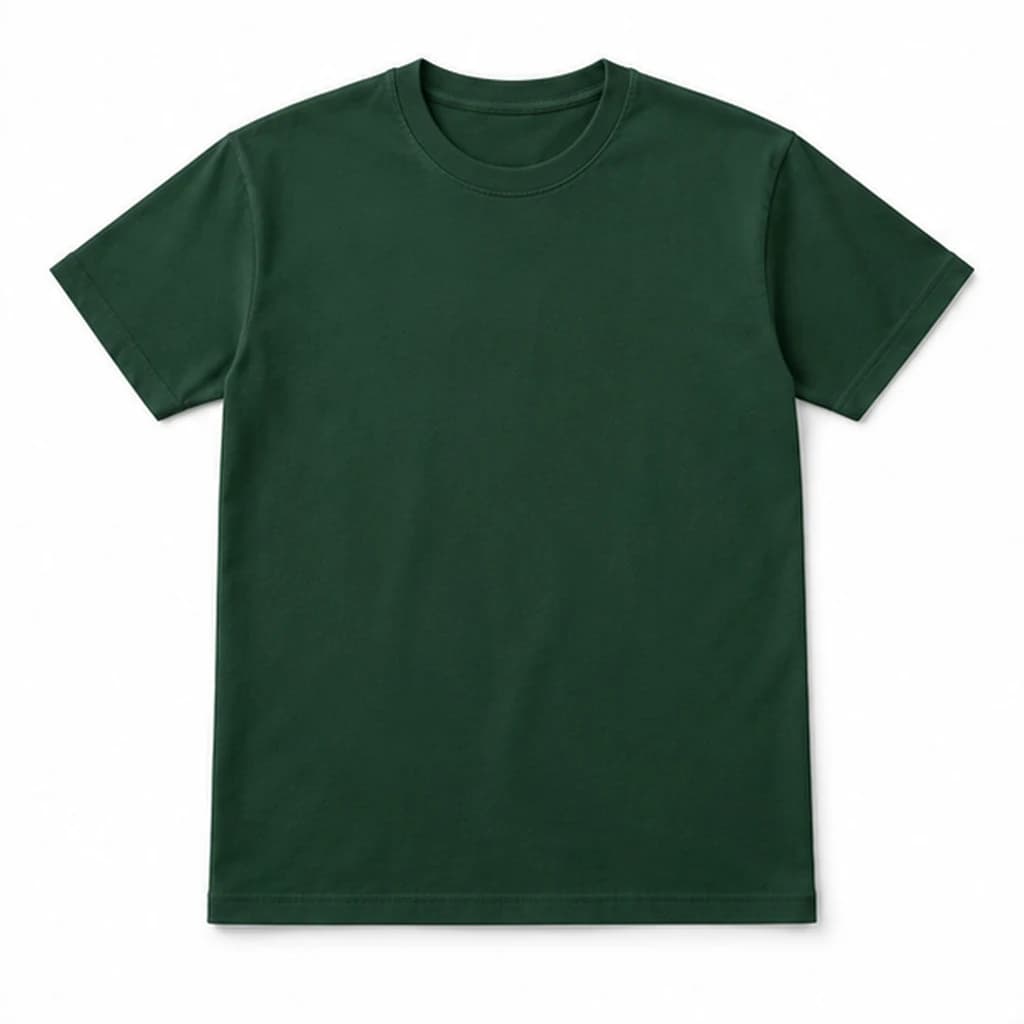
Screen printed t shirts carry a design pushed through a fine mesh screen, one colour at a time, giving a bold, opaque print that suits team shirts, events and merchandise runs. Screen printing works best for logos with a few flat colours on a quantity of shirts. Our Core Cotton T-Shirt takes screen printing, with a minimum of 25.
This guide explains how screen printing works, when to choose it over DTG or embroidery, how the number of colours affects the order, how to prepare artwork and which catalogue t-shirts take it. Every product below comes from the live Zintora catalogue on 28 October 2026.
How screen printing works
Screen printing is one of the oldest ways to print on fabric, and the principle is simple:
- A screen is made for each colour. A fine mesh is stretched over a frame and coated so that ink can only pass through the shape of that colour in your design.
- The shirt is laid flat on a printing board.
- Ink is pushed through the screen with a squeegee, leaving the colour on the fabric.
- Each further colour gets its own screen, lined up so the colours sit in the right place.
- The ink is cured so it sets into the fabric.
Because each colour needs its own screen, the set-up is done once and then repeated for every shirt. That is why screen printing suits runs of the same design.
Screen printing, DTG or embroidery?
| Technique | Best for | Look | Watch out for |
|---|---|---|---|
| Screen printing | Logos and text in one or a few flat colours, on a run of shirts | Bold, opaque, strong colour | Each colour needs its own screen |
| DTG printing | Designs with many colours, gradients or photos | Fine detail, softer colour | Less suited to very bold single-colour logos |
| Embroidery | A small logo on the chest or sleeve | Raised, textured, premium | Fine lines and small text may need simplifying |
As a rule: if your design has one to three solid colours and you are ordering for a team or an event, screen printing is usually the right choice. If it is a full-colour illustration or a photo, DTG is better. If it is a small chest logo on a shirt worn with clients, consider embroidery. Our guide to merchandise printing compares every technique across products.
How colours affect the order
The number of colours is the main design decision with screen printing.
- One colour is the simplest: one screen, one pass. A white logo on a navy shirt, or a black logo on a white one, is the classic team t-shirt.
- Two or three colours need a screen each and careful alignment, but still print cleanly.
- Many colours or gradients are possible but quickly become complex. If the design depends on gradients, DTG is often the better route.
Each print position also counts: a chest logo and a large back print are two separate set-ups. If budget matters, a one-colour design on one position keeps the order simple. Our guide to cheap custom t shirts covers more ways to keep the unit price down.
Screen printed t shirts from the catalogue
Pricing for your design and quantity comes with your quote. Catalogue prices are ex VAT; printing and delivery are extra, UK import VAT and duties are paid on delivery. Every product page shows its own minimum.
| T-shirt | What it is | Techniques on the product page | Minimum |
|---|---|---|---|
| Core Cotton T-Shirt | Pre-shrunk ring-spun combed cotton, 180 g/m², XS to 3XL | Screen printing, DTG printing, embroidery | 25 |
| Classic T-Shirt | Unisex crew neck, XS to 2XL, five colours | Screen printing, DTG printing, embroidery | 25 |
| Sustainable T-Shirt | Responsible composition, documentation per batch | Screen printing, DTG printing, embroidery | 25 |
| Premium Pima T-Shirt | Pima cotton according to the source sheet, XS to 2XL | Screen printing, DTG printing, embroidery | 25 |
| Verde Organic T-Shirt | Organic cotton, garment-dyed in earth tones | Water-based screen printing, embroidery | 25 |
| Heavyweight Oversized T-Shirt | 100% Pima cotton at 240 g/m², loose cut | Screen printing, DTG printing, embroidery | 25 |
For team shirts and events
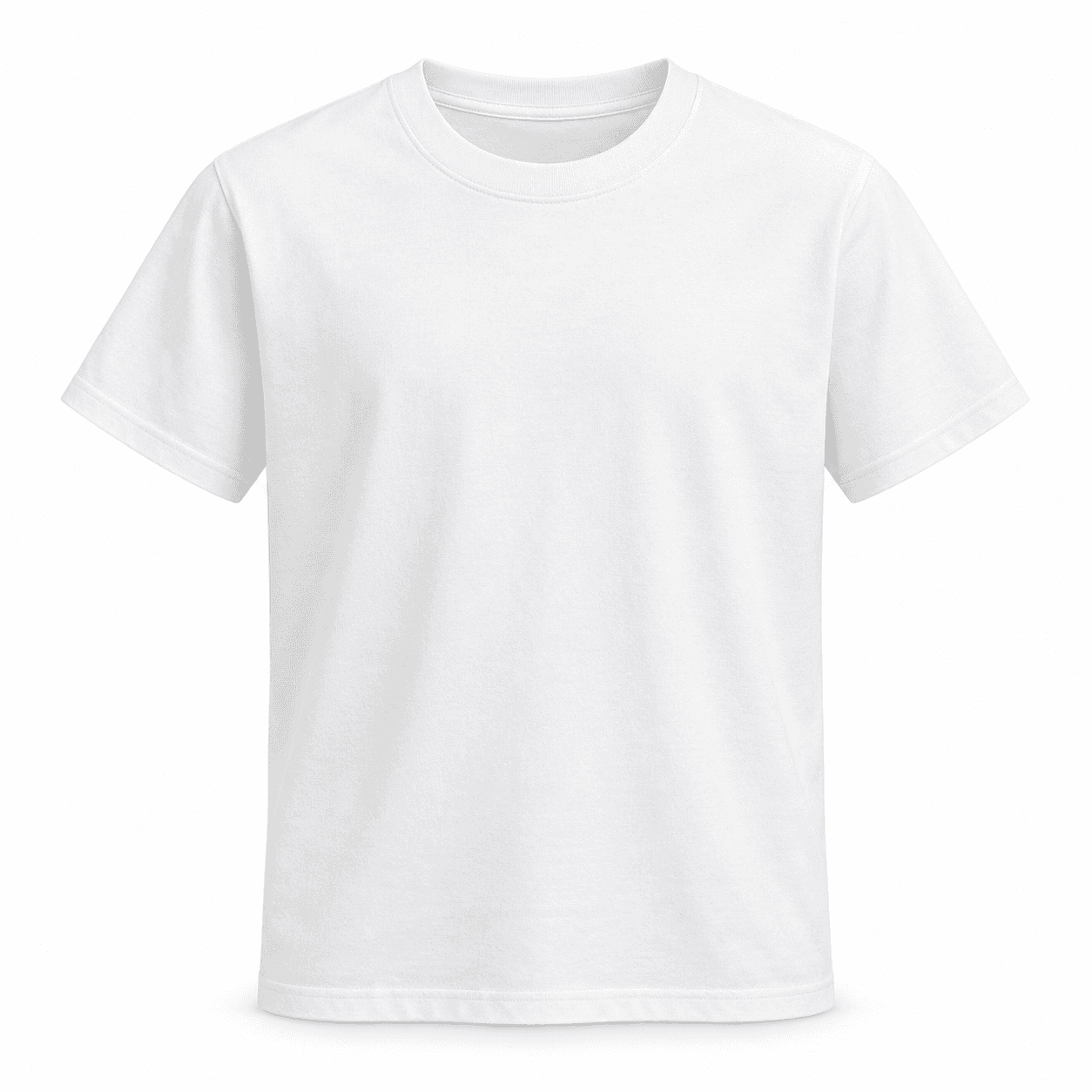
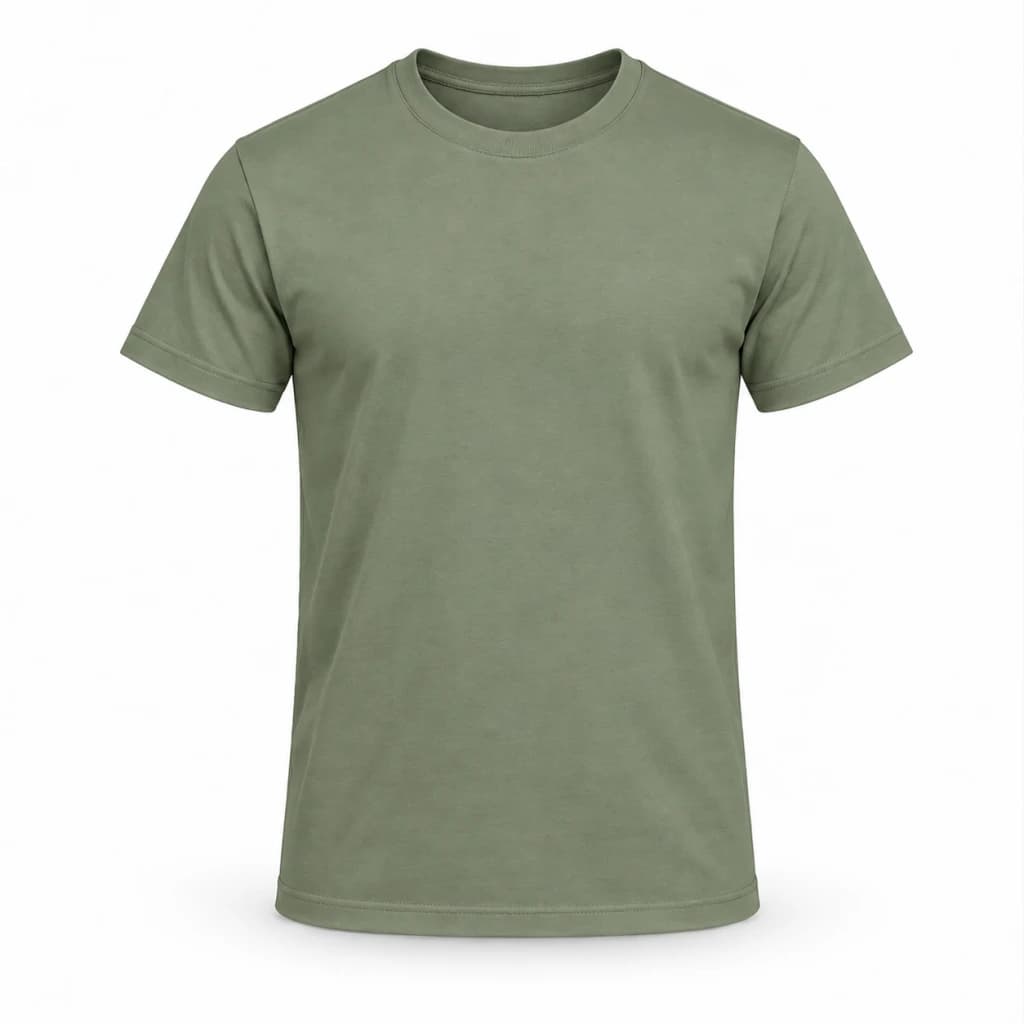
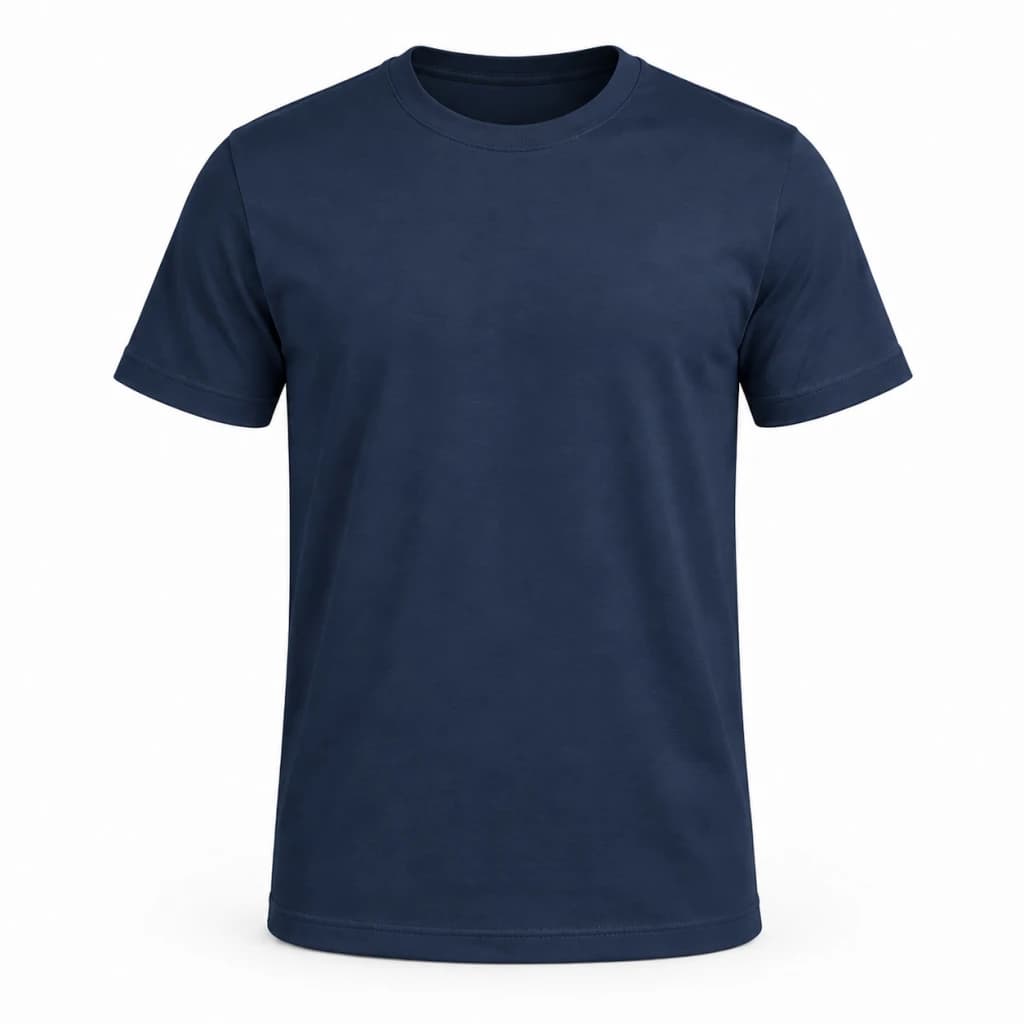
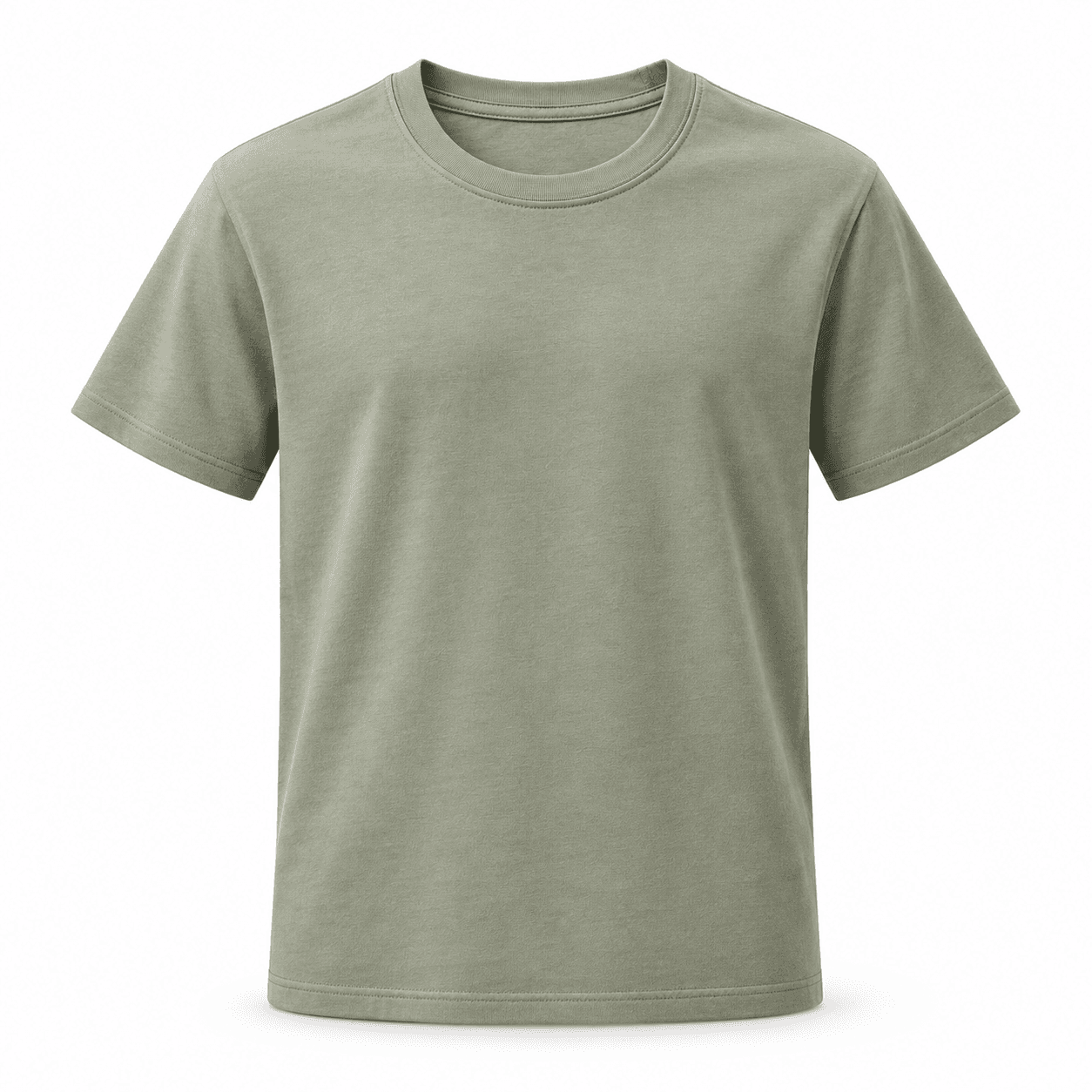
The Core Cotton T-Shirt is made from pre-shrunk, ring-spun combed cotton at 180 g/m², with shoulder tape and a double-stitched collar to help it keep its shape. It comes in white, black, forest green, sand and navy blue, in sizes XS to 3XL. The Classic T-Shirt is a unisex crew neck in red, white, bottle green, black and navy blue; its fabric weight and composition are confirmed in the quote for your batch. Both are the natural base for a one- or two-colour screen print.
For merchandise people keep
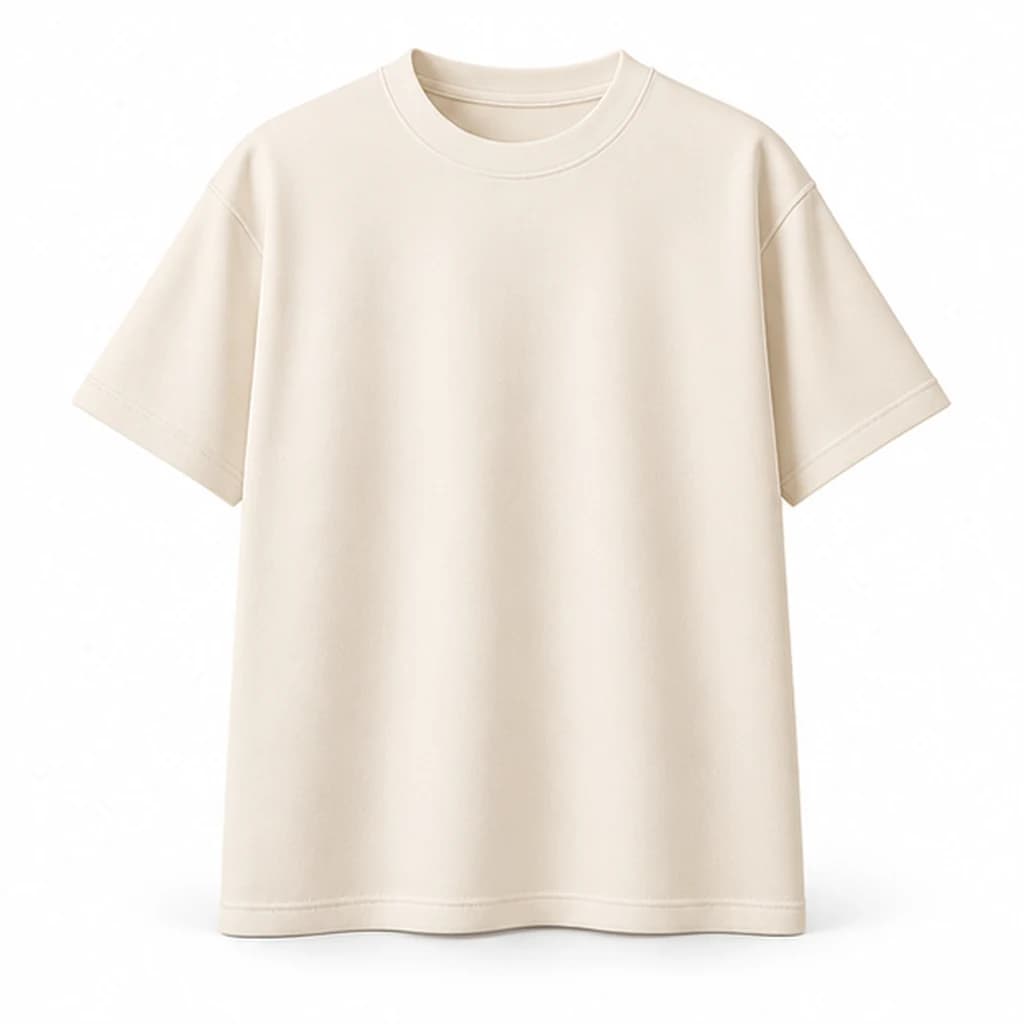
The Premium Pima T-Shirt and the Heavyweight Oversized T-Shirt are for shirts that are part of the brand, such as a staff merch drop or a launch. The heavyweight shirt is 100% Pima cotton at 240 g/m² according to the supplier, which gives a solid base for a large back print. Because the cut is loose, check sizing with the team before splitting quantities.
For a softer, lower-impact print
The Verde Organic T-Shirt is made from organic cotton and garment-dyed in sage, terracotta, natural and charcoal. It is printed with water-based inks, which keep the print soft to the touch. For the Sustainable T-Shirt, the product page states "Responsible composition; documentation per batch": the exact composition and any accreditation are confirmed before production for the batch you order.
More shirts and options are on the custom t-shirts page.
Preparing artwork for screen printing
Good artwork makes the biggest difference to the result.
- Send a vector file (PDF, SVG or EPS). Screens are made from the shapes in your file, so clean vector shapes give clean edges.
- Give exact colour references, ideally Pantone codes, so the ink can be matched to your brand.
- Avoid very fine lines and tiny text. They can fill in or break up on fabric.
- Think about the shirt colour. A light ink on a dark shirt needs a base layer to stay bright, which counts as an extra pass.
- State the print size and position for each location: chest, back or sleeve.
You approve the technique, colours, position and size on a digital proof before production starts, and nothing is produced until you approve it.
Mixing sizes and colours
Most team orders need a range of sizes. You can usually mix sizes within one design and shirt colour, as long as the total meets the product's minimum of 25. Collect sizes per person before you request the quote, and add a few extras in the most common sizes for new starters. If you want the same design on hoodies for colder months, the custom hoodies page lists hoodies that take screen printing too, and the branded merchandise page covers other items in the same design.
Lead times and delivery
Production takes 10 to 20 working days after proof approval, confirmed in the quote. Add time for the quote, the digital proof and delivery. For an event, work back from the date the shirts must be handed out. Zintora delivers across the UK and internationally to Europe, the Middle East and Africa, Asia-Pacific and the Americas, to one address or to each office.
Sustainability questions
If your company reports on purchasing, ask with the quote for material details, an estimated carbon footprint per product and documentation for certified products. The only certificate we name is the GRS of The Tenth House, checked per lot; certificates for other products are available on request. More on our approach is on the sustainability page.
Screen printed t shirts checklist
- Design checked: one to three flat colours suit screen printing
- Technique chosen: screen printing, DTG or embroidery
- Print positions decided: chest, back or sleeve
- Artwork sent as a vector file with Pantone references
- Shirt colour chosen with the ink colours in mind
- Sizes collected per person, with extras in common sizes
- Quantity meets the minimum of 25 per t-shirt model
- Delivery date realistic with 10 to 20 working days of production plus delivery
Frequently asked questions
What are screen printed t shirts?
T-shirts printed by pushing ink through a mesh screen, one screen per colour. The result is a bold, opaque print that suits logos and text in a few flat colours.
Is screen printing better than DTG?
For a design with one to three solid colours on a run of shirts, screen printing usually gives the strongest colour. For full-colour images, gradients or photos, DTG is the better choice.
How much do screen printed t shirts cost?
The price depends on the t-shirt, the number of colours, the print positions and the quantity. Request a quote with your artwork and sizes, and the quote gives the total for your design, including printing and delivery.
What is the minimum order?
The t-shirts in this guide have a minimum of 25. Sizes can usually be mixed within one order.
How long does it take?
Production takes 10 to 20 working days after proof approval, plus delivery. The exact schedule is in the quote.
Ready to print your shirts? Browse the catalogue, or request a quote with the shirt, the colours, the sizes, your artwork and the delivery date.