Cheap Custom T Shirts for Business: How to Lower the Unit Price
How to get cheap custom T-shirts for business: quantity, ink colours, print position, garment and technique, with real catalogue T-shirts from £6.43 ex VAT.
By Zintora Team
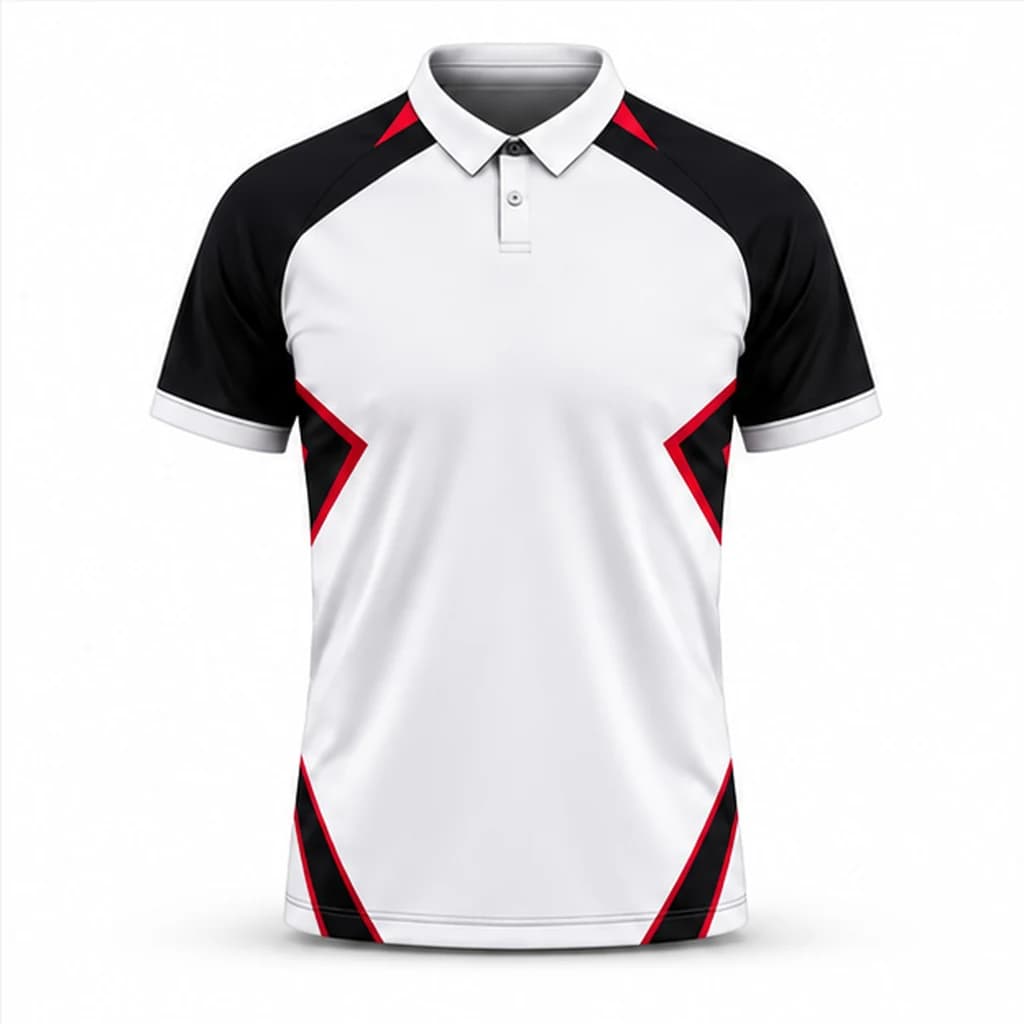
Cheap custom t shirts for business come from a few decisions, not the cheapest blank: order close to a sensible quantity, keep the design to one or two ink colours, print in one position, choose a plain cotton garment and match the technique to the run. In our catalogue, printed T-shirts start from £6.43 ex VAT per unit.
This guide explains each lever that moves the unit price of custom printed T-shirts, shows real T-shirts from the Zintora catalogue by starting price and ends with a checklist you can use before you ask for a quote. If you want to compare every model, colour and branding method in one place, go to our custom T-shirts page.
What sets the price of a custom T-shirt
The price you pay per T-shirt is made of three parts:
- The garment. Fabric, weight, cut and colour all change the starting price of the blank T-shirt.
- The branding. The technique, the number of ink colours, the size of the print and the number of positions decide how much work goes into each shirt.
- Delivery. Shipping to one office costs less per shirt than sending to many addresses.
The garment is the part you see on the product page. The branding and delivery are confirmed in the quote, because they depend on your design, your quantity and where the shirts are going. That is why two orders for the same T-shirt can end up at different unit prices. The good news is that most of the levers that lower the price are in your hands before you send the request.
Cheap custom t shirts in our catalogue by starting price
The table lists T-shirts from the current zintora.uk range, ordered from the lowest starting price. Each row shows the branding methods the product page lists and the minimum order.
| T-shirt | From (ex VAT) | Minimum | Branding methods listed |
|---|---|---|---|
| Lightweight T-Shirt | £6.43 | 25 | Sublimation printing, transfer |
| Classic T-Shirt | £6.79 | 25 | Screen printing, DTG printing, embroidery |
| Core Cotton T-Shirt | £6.79 | 25 | Screen printing, DTG printing, embroidery |
| Heather Crew Neck T-Shirt | £8.58 | 25 | Screen printing, DTG printing |
| Premium Pima T-Shirt | £9.65 | 25 | Screen printing, DTG printing, embroidery |
| Verde Organic T-Shirt | £10.37 | 25 | Water-based screen printing, embroidery |
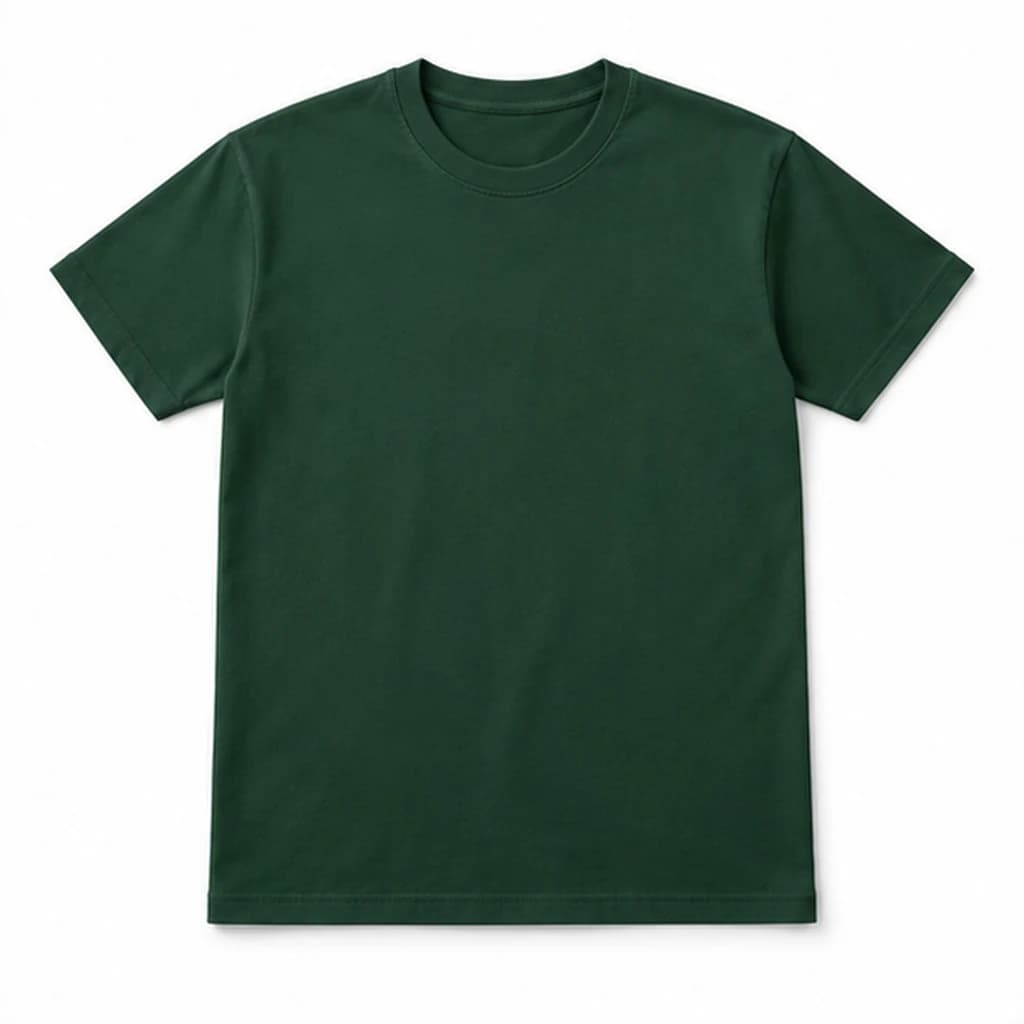
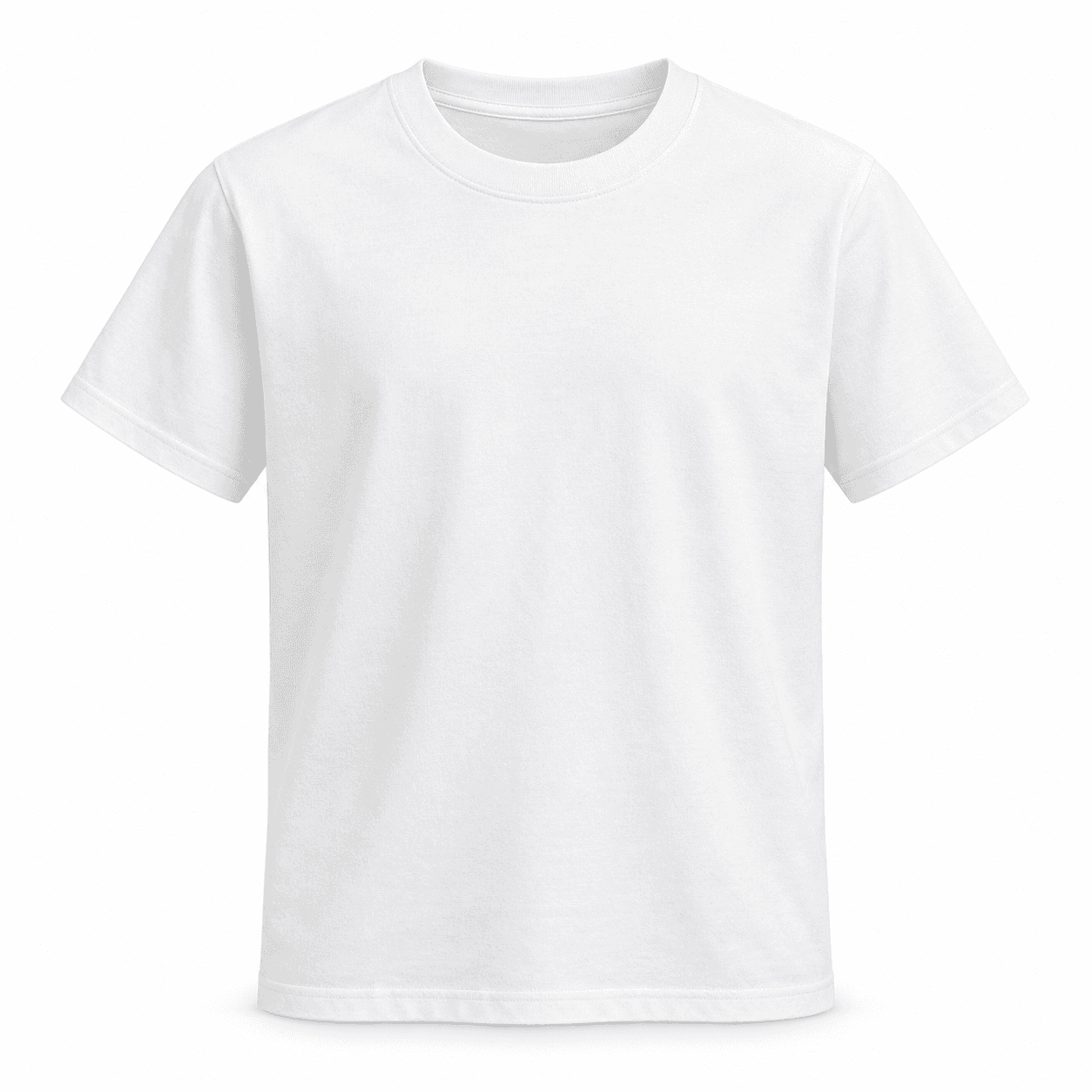
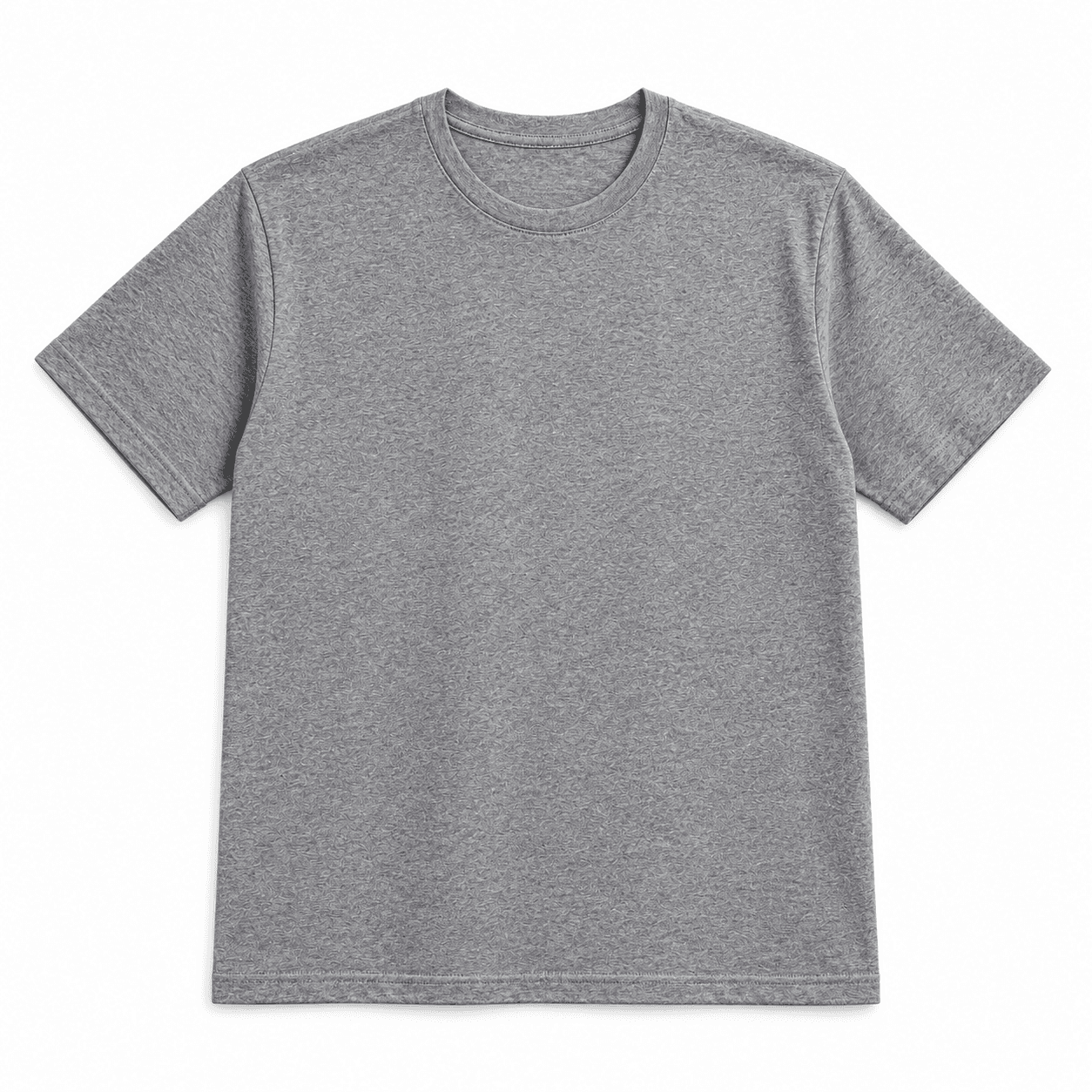
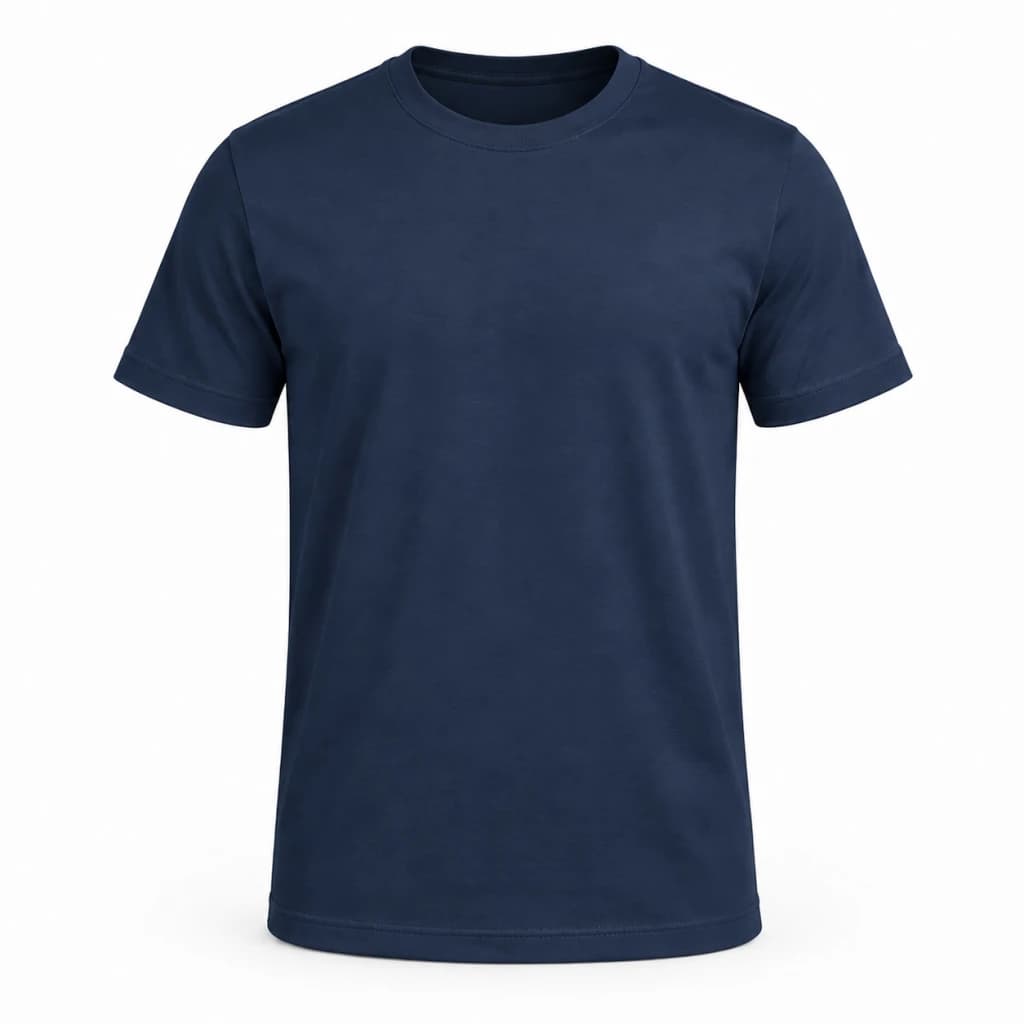
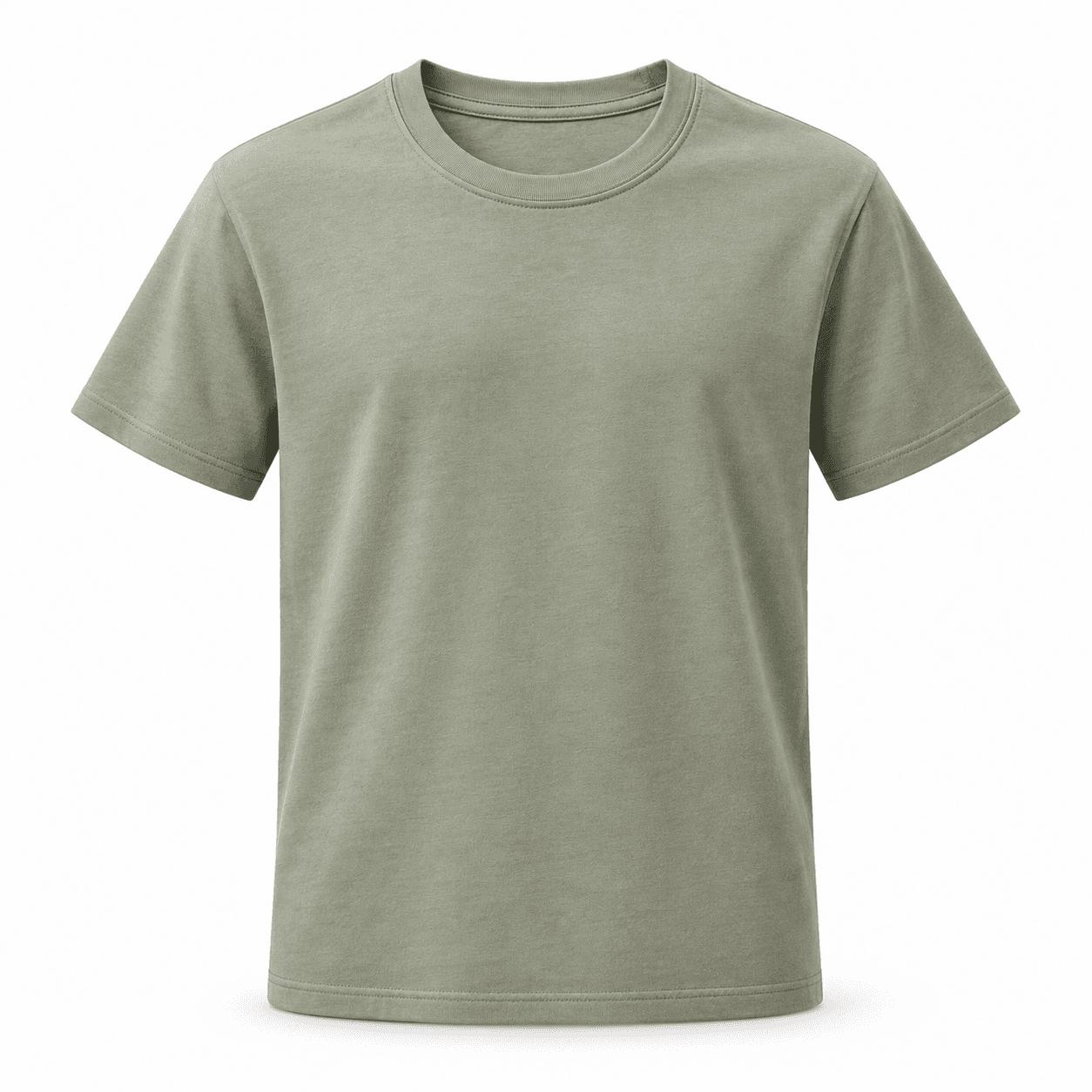
Prices are starting prices shown in the catalogue on 15 October 2026, ex VAT; printing and delivery are extra, UK import VAT and duties are paid on delivery.
Every T-shirt in the table has a minimum order of 25 units, which can be split across sizes, and on some models across colours too. The price gap between the cheapest and the most expensive model is about £4 per shirt before branding, so the garment you choose matters, but it is rarely the only thing that decides the final figure.
Quantity: order close to the run you need
For a business, the cheapest T-shirt is the one that gets worn. Ordering 200 shirts to bring the unit price down only saves money if you use 200 shirts. Leftover boxes in a cupboard are the most expensive part of many merchandise orders.
That said, quantity does change the unit price. Techniques such as screen printing involve setting up the design before the first shirt is printed, and that setup work is shared across every shirt in the run. On a larger run, each shirt carries a smaller share of it. On a small run, the share per shirt is bigger.
A practical way to plan:
- Count real wearers. Staff, volunteers, event crew, new starters expected in the next few months.
- Add a small buffer. A few extra shirts in the most common sizes covers new joiners and replacements.
- Combine needs. If two teams or two events need T-shirts with the same design, one order is usually better value than two.
- Mix sizes, not designs. The minimum of 25 can be split across sizes, so one design in many sizes keeps the run together.
If your team is smaller than 25 people or you sell shirts one at a time, look at print on demand, where each item is printed when it is ordered.
Fewer ink colours, lower price
With screen printing, each ink colour is printed separately, so every extra colour adds work to each shirt. A one-colour logo is usually the most economical choice, and a two-colour version often looks just as strong on a T-shirt.
Ways to simplify a design without weakening the brand:
- Use a one-colour version of the logo, in white on a dark shirt or in a dark ink on a light shirt.
- Drop gradients and fine shading, which do not suit every technique.
- Let the garment colour do some of the work: a navy shirt with a white logo reads as a two-tone look with a single ink.
If your design is full colour or photographic, DTG printing prints it in one pass rather than colour by colour. That is why the Classic, Core Cotton, Heather and Premium Pima T-shirts all list DTG alongside screen printing: the right one depends on the design and the quantity, and the quote confirms which technique applies.
One print position instead of three
Every extra position (back, sleeve, a second chest print) is another print on every shirt. A single front logo, either a small chest mark or a larger centre print, is the simplest and lowest cost layout.
If you want more than one position, decide which one carries the message. A common option for staff shirts is a small chest logo on the front and nothing else. For event T-shirts, a large back print can be more visible than a front logo. Pick the one that does the job and leave the rest of the shirt plain.
Print size matters too. A small chest print uses less ink and less print area than a full front design. The digital proof shows the position and size of the print before production, so you can compare options on screen before you approve anything.
Choose the garment for the job
The cheapest model in our range is not always the cheapest choice for your order. Choose by what the shirt is for:
- Events and sport: the Lightweight T-Shirt, from £6.43 ex VAT, is a technical T-shirt with raglan sleeves and a 160 g/m² fabric according to the supplier's product sheet. It is branded with sublimation or transfer, and the product page notes that names or numbers per person should be detailed in the request.
- Uniforms, campaigns and volunteers: the Classic T-Shirt, from £6.79 ex VAT, comes in red, white, bottle green, black and navy blue. Its fabric composition and weight are confirmed in the quote for the batch.
- Everyday staff wear and welcome kits: the Core Cotton T-Shirt, from £6.79 ex VAT, is pre-shrunk ring-spun combed cotton at 180 g/m² with a fitted unisex cut, in sizes XS to 3XL.
- A softer, retail feel: the Heather Crew Neck T-Shirt, from £8.58 ex VAT, is a cotton, polyester and rayon tri-blend in four heathered colours. The product page notes that logos in one or two colours usually look best on a heathered background.
- Gifts and a premium finish: the Premium Pima T-Shirt, from £9.65 ex VAT, is a crew neck in Pima cotton.
- Organic cotton: the Verde Organic T-Shirt, from £10.37 ex VAT, uses organic cotton, garment-dyed in muted earth tones, with water-based screen printing or embroidery.
A shirt that keeps its shape gets worn more often, so a slightly higher starting price can still be the better value when the shirt is meant for daily use.
Match the technique to the run
Different techniques suit different quantities and designs. In broad terms:
- Screen printing suits simple designs in one or a few colours on medium and larger runs, where the setup is shared across many shirts.
- DTG printing suits full-colour or detailed designs and smaller runs, because it prints the design in one pass.
- Embroidery suits a small chest logo on staff and uniform shirts. It gives a more finished look, and the quote confirms the price for your logo size.
- Sublimation and transfer are the methods listed for the Lightweight T-Shirt and suit technical fabrics and personalised names or numbers.
You do not need to choose the technique alone. Send your logo as a vector file (PDF, SVG or EPS) and the quantity, and the digital proof sets the technique, position and size. For a deeper comparison of each method, read our guide to T-shirt printing for business and the wider overview of merchandise printing methods.
Hidden costs that make printed T-shirts expensive
A low starting price can turn into an expensive order when these are left until the end:
- Late changes. Changing the design after the proof means a new proof and a later start.
- Unclear artwork. A low-resolution file may need redrawing. A vector logo avoids this.
- Many destinations. Delivery to each address is priced per destination. Shipping to one office and handing shirts out is usually cheaper.
- Size guesses. Ordering the wrong sizes leaves shirts nobody can wear. Collect sizes before you order.
- Rush timing. Production takes 10 to 20 working days after proof approval, confirmed in the quote. Planning backwards from your event date avoids paying for faster delivery.
Zintora delivers across the UK and internationally to Europe, the Middle East and Africa, Asia-Pacific and the Americas. The quote confirms delivery to each destination you give.
Personalised T-shirts and sustainability on a budget
Personalised T-shirts with a different name or number on each shirt are possible, but each personalisation adds work. If you need them, list the names or numbers per size in your request so the quote includes them from the start.
If your company cares about materials, organic cotton is available in the Verde Organic T-Shirt, and we confirm in writing the composition and the documentation that applies to the batch before production. The only certificate we name is the GRS of The Tenth House, checked per lot; certificates for other products are available on request. Our sustainability page explains how we handle material claims.
Custom T-shirts also work well inside a bigger order. If you are building kits for new starters, the packs range combines T-shirts with other branded merchandise in one delivery.
Cheap custom t shirts checklist
- Number of real wearers counted, with a small buffer
- Sizes collected per person
- Design reduced to one or two ink colours where possible
- One print position chosen, with the print size agreed
- Garment chosen for the use: event, uniform, daily wear or gift
- Logo ready as a vector file (PDF, SVG or EPS)
- Names or numbers listed per size, if needed
- Delivery address or addresses listed
- Date the shirts are needed, with time for proof, production and delivery
Frequently asked questions
What is the cheapest custom T-shirt in the catalogue?
The Lightweight T-Shirt, from £6.43 ex VAT per unit, followed by the Classic T-Shirt and the Core Cotton T-Shirt, both from £6.79 ex VAT. Printing and delivery are extra and confirmed in the quote.
What is the minimum order for custom tees?
Every T-shirt in this guide has a minimum order of 25 units, which can be split across sizes. Each product page states its minimum.
How do I make printed T-shirts cheaper?
Order the quantity you will use, keep the design to one or two ink colours, print in one position, choose a garment that suits the job and send a vector logo so the artwork is ready.
Can I order custom T-shirts online?
Yes. Each product page lets you split the quantity across sizes and add the T-shirt to a quote, and some models also offer a buy now option. A specialist replies to every quote request.
Is screen printing or DTG cheaper?
It depends on the design and the quantity. Screen printing suits simple designs on larger runs, while DTG suits full-colour designs on smaller runs. The quote confirms the technique for your order.
Ready to price your shirts? Browse the catalogue or request a quote with the model, quantity per size, number of ink colours, print position and delivery date.