How Long Does It Take to Make a Custom Mug?
The stages of making a custom mug for a business order, from artwork and digital proof to printing, engraving and curing, plus what slows an order down.
By Zintora Team
How long it takes to make a custom mug depends on the stages before and after printing, not on the print itself. Artwork, a digital proof, your approval, the printing or engraving, curing and packing all take time. At Zintora, production takes 10 to 20 working days after proof approval, confirmed in the quote, with delivery on top.
The printing of a single mug can take minutes. The time a business order takes is mostly spent getting the design right, preparing the run and checking the result. This guide walks through each stage of making a custom mug, explains what changes with the material and method, and lists what tends to slow an order down. For the techniques themselves in more depth, see our guide to custom mug printing.
The stages of making a custom mug
| Stage | What happens | Who it depends on | What can stretch it |
|---|---|---|---|
| 1. Brief and quote | Mug model, quantity, colours, method and delivery are confirmed | You and the supplier | Open questions about quantity or addresses |
| 2. Artwork | Your logo is checked and prepared for the chosen method | Mostly you | No vector file, unclear brand colours |
| 3. Digital proof | A visual of the mug shows the logo position, size and colour | The supplier | Several rounds of changes |
| 4. Approval | You sign off the proof | You | Waiting for a second approver |
| 5. Production | Printing or engraving, then curing or firing where the method needs it | The supplier | Large runs, several print positions, peak season |
| 6. Quality check and packing | Mugs are checked, wrapped and boxed | The supplier | Individual gift boxes or split packing |
| 7. Delivery | Mugs travel to the office or to each person | The carrier | Several addresses, international destinations |
The clock for production starts at stage 4. Everything before that is in your hands as much as the supplier's, which is why two orders for the same mug can take very different amounts of time overall.
Stage 1: the brief
A clear brief saves days. The supplier needs to know which mug, how many, in which colours, with which branding method and where it is going. If the quantity changes after the quote, the quote and sometimes the proof have to be redone. If you are not sure about the model yet, our printed mugs page groups the ceramic, steel and bamboo options, and the personalised travel mugs page covers mugs with lids for people on the move.
Stage 2: artwork
The fastest artwork is a vector file: PDF, SVG or EPS. It scales without losing quality and shows the exact shapes to print or engrave. A high-resolution PNG with a transparent background can work for some methods, but a small JPEG copied from a website usually has to be redrawn, and that adds time.
Two details matter for mugs in particular:
- Colours: give the brand colour codes, ideally Pantone references. Ink on a curved white ceramic surface and ink on dark steel will not look the same, so the supplier needs to know which colour to aim for.
- Fine detail: very thin lines and small text can fill in with screen printing or lose sharpness on a curved surface. Simplify the logo if it is very detailed.
Stage 3 and 4: the digital proof and your approval
The digital proof is a picture of your mug with the logo in place, at the agreed size and position, in the chosen colour. It is the moment to check spelling, alignment with the handle, the side the logo faces for a right-handed or left-handed drinker and the colour.
Approval is often the stage that waits longest, because a proof has to go to a manager or the marketing team. Agree in advance who signs it off. Nothing goes into production until you approve the proof, and changing your mind after approval means starting production again.
Stage 5: printing or engraving, and why the method matters
The branding method is where the mug material comes in. Each method has its own preparation, its own speed and its own finishing step.
Sublimation on coated ceramic
Sublimation is common for full-colour mugs. The design is printed with special dye onto transfer paper, wrapped around a white mug with a polymer coating and pressed with heat. The dye turns into a gas and bonds with the coating. It allows photos and gradients, but it needs a coated, light-coloured mug. It is a method for ceramic blanks made for it.
Screen printing
Screen printing pushes ink through a mesh screen, one screen per colour. On mugs it gives bright, opaque colour, and it suits one or two-colour logos on a larger run. The screens have to be made before printing, and each colour is printed and dried in turn, so more colours mean more preparation and more passes.
Laser engraving on steel and bamboo
Laser engraving removes or marks the surface instead of adding ink. On stainless steel it reveals the metal under the coating; on bamboo it burns the design lightly into the material. There is no ink to cure and no colour to match, and the mark lasts as long as the mug. The time depends on the size of the design and the number of positions, since the laser traces every line.
UV printing
UV printing lays down ink that is hardened at once by ultraviolet light. It allows several colours on surfaces such as steel and plastic without screens.
Curing and firing
Some methods need a finishing step after printing. Ceramic printing that uses ceramic inks or transfers is fired in a kiln so the design fuses with the glaze; the mugs then need time to heat up and cool down. Screen printing inks also need curing. Laser engraving needs neither. This is one of the reasons why the same quantity of mugs can take longer with one method than with another.
Stage 6: quality check and packing
Every printed or engraved mug is checked for position, colour and marks before it is wrapped. Plain bulk packing is the quickest. Individual gift boxes, inserts or a printed card add a step per mug, and split packing for many addresses adds another.
Stage 7: delivery
Delivery comes on top of production. A single shipment to one office is the simplest. Sending mugs to each person's home means individual parcels, addresses to collect and check, and more carriers. Zintora delivers across the UK and internationally to Europe, the Middle East and Africa, Asia-Pacific and the Americas. International deliveries add customs paperwork. Pricing is confirmed in your quote, ex VAT; printing and delivery are extra, UK import VAT and duties are paid on delivery.
What slows down a custom mug order
- Artwork that is not print-ready, so it has to be redrawn or cleaned up.
- Several rounds of proof changes, especially when the logo size or colour keeps moving.
- Late approval, because the proof is waiting in someone's inbox.
- More print positions, such as a logo on both sides plus a name.
- Personalisation per mug, such as individual names, which turns one design into many.
- Changes after approval, which put the order back to the start of production.
- Busy periods, such as the weeks before Christmas, when many companies order gifts at the same time.
- Addresses collected late for home delivery.
How to keep the timeline under control
Work backwards from the date you need the mugs. Count the delivery time, then the production time (10 to 20 working days after proof approval, confirmed in the quote), then the days you need for the brief, the artwork and the approval. Agree one approver, send a vector logo with the first request and decide on the delivery addresses before production starts. If the date is fixed, such as an event or a team day, mention it in the quote request so the timeline can be checked against it before you commit.
Custom mugs in the Zintora catalogue
These mugs are live on zintora.uk. Their product pages list laser engraving, screen printing and UV printing, and each has a minimum of 25.
| Mug | What the product page states | Branding methods | Minimum |
|---|---|---|---|
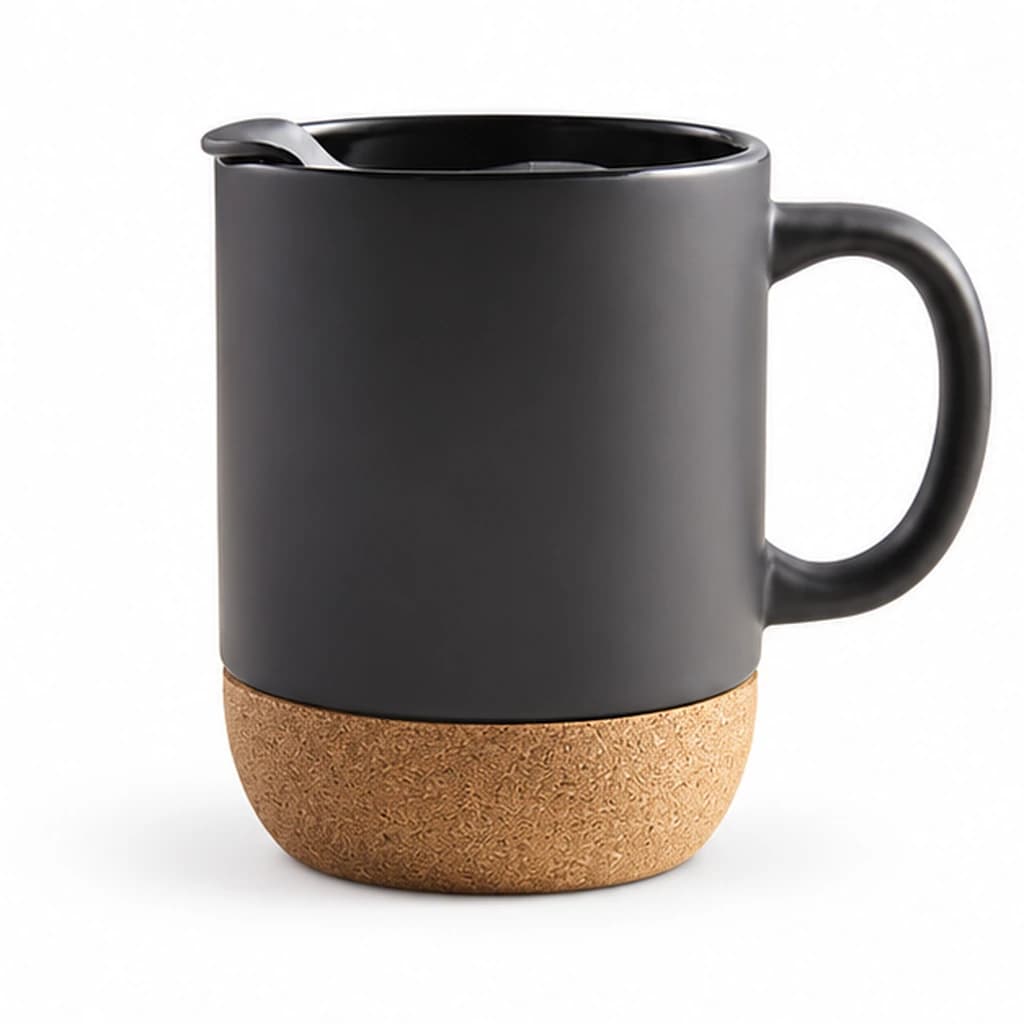
| Mug with Wooden Base | 250 ml ceramic mug with a wooden base | Laser engraving, screen printing, UV printing | 25 |
| Corporate Steel Mug | 400 ml stainless steel mug | Laser engraving, screen printing, UV printing | 25 |
| Classic Bamboo Mug | 400 ml bamboo mug | Laser engraving, screen printing, UV printing | 25 |
| Steel Thermal Mug | 750 ml stainless steel thermal mug | Laser engraving, screen printing, UV printing | 25 |
| 590 ml Thermal Tumbler | 590 ml stainless steel thermal tumbler | Laser engraving, screen printing, UV printing | 25 |
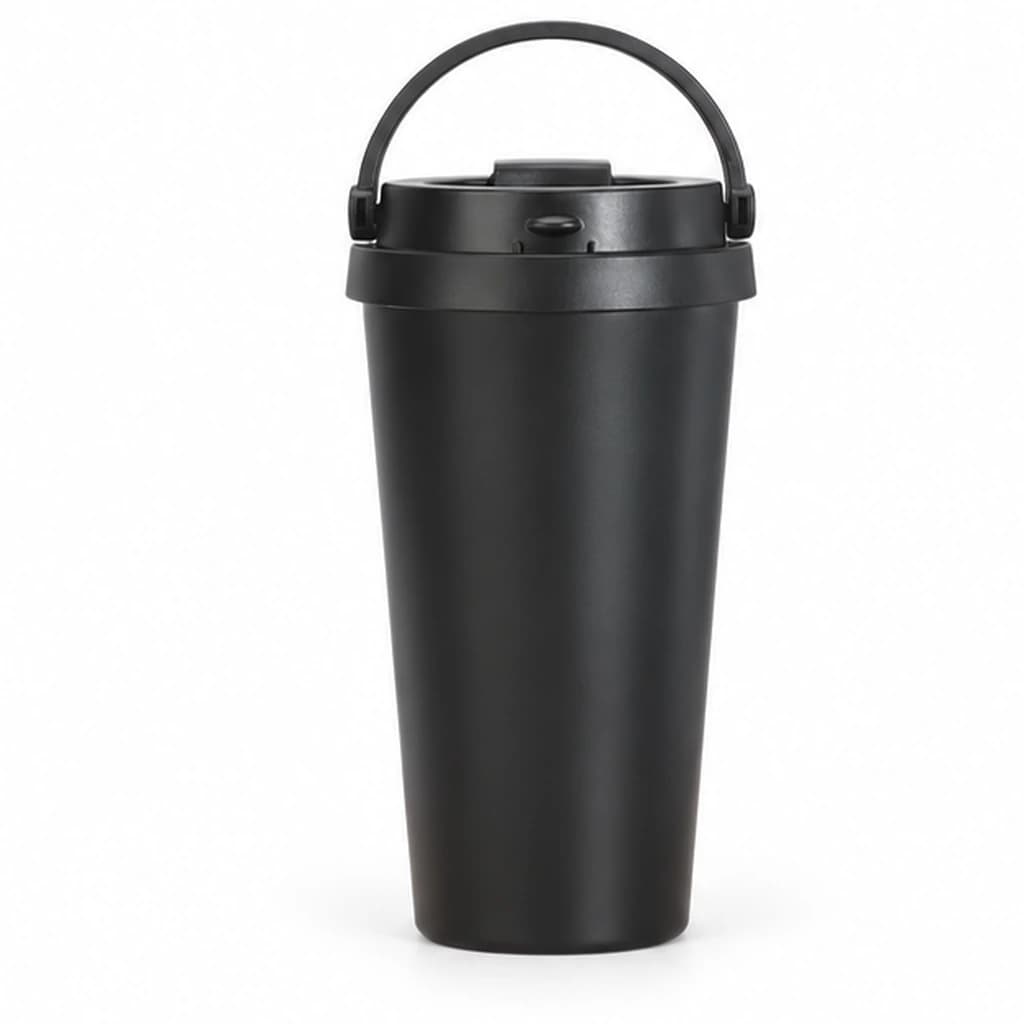
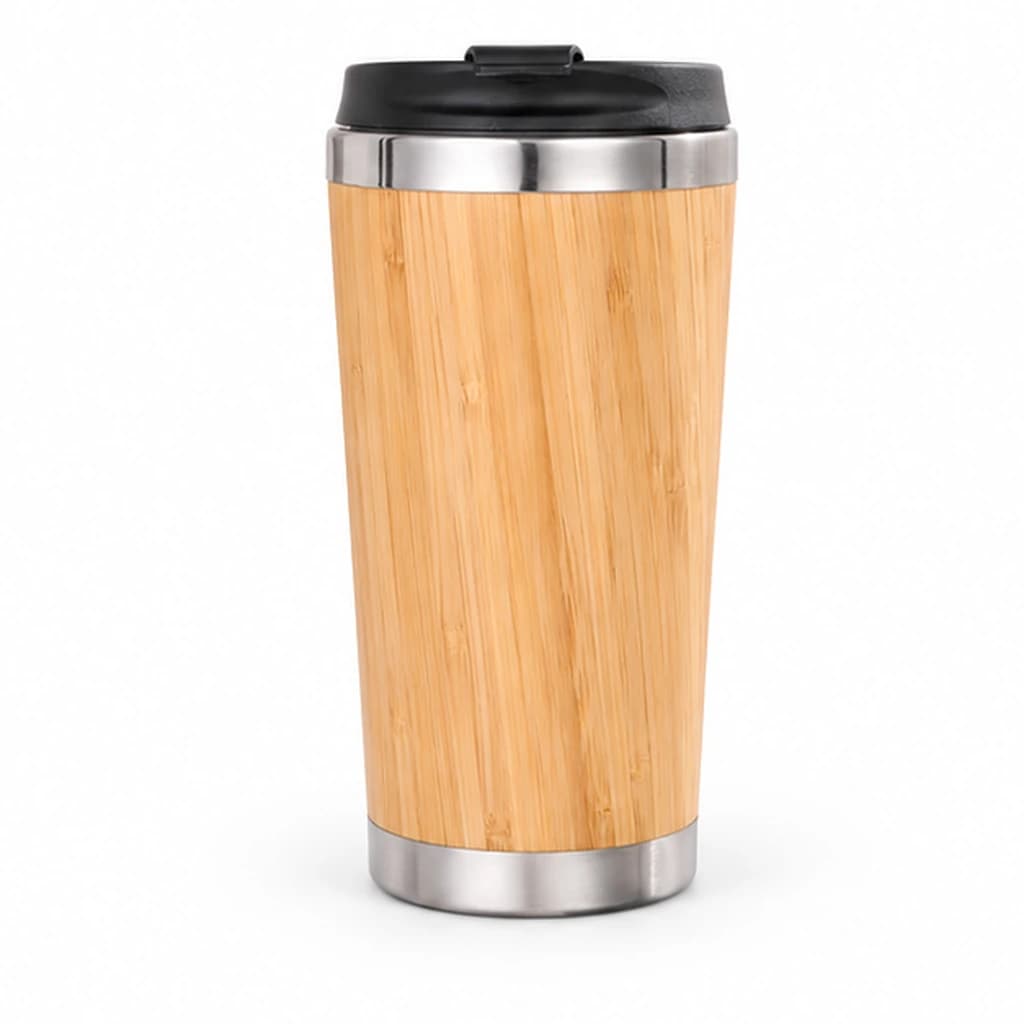
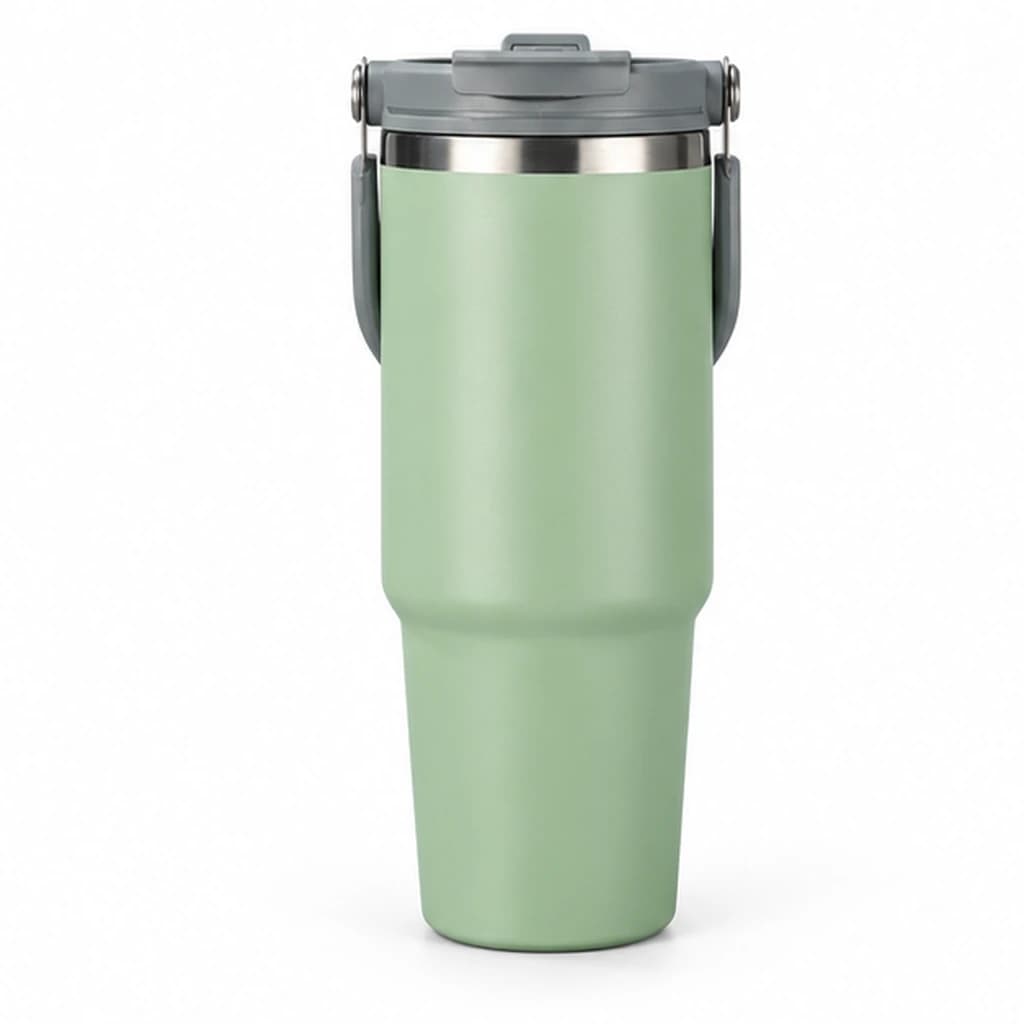
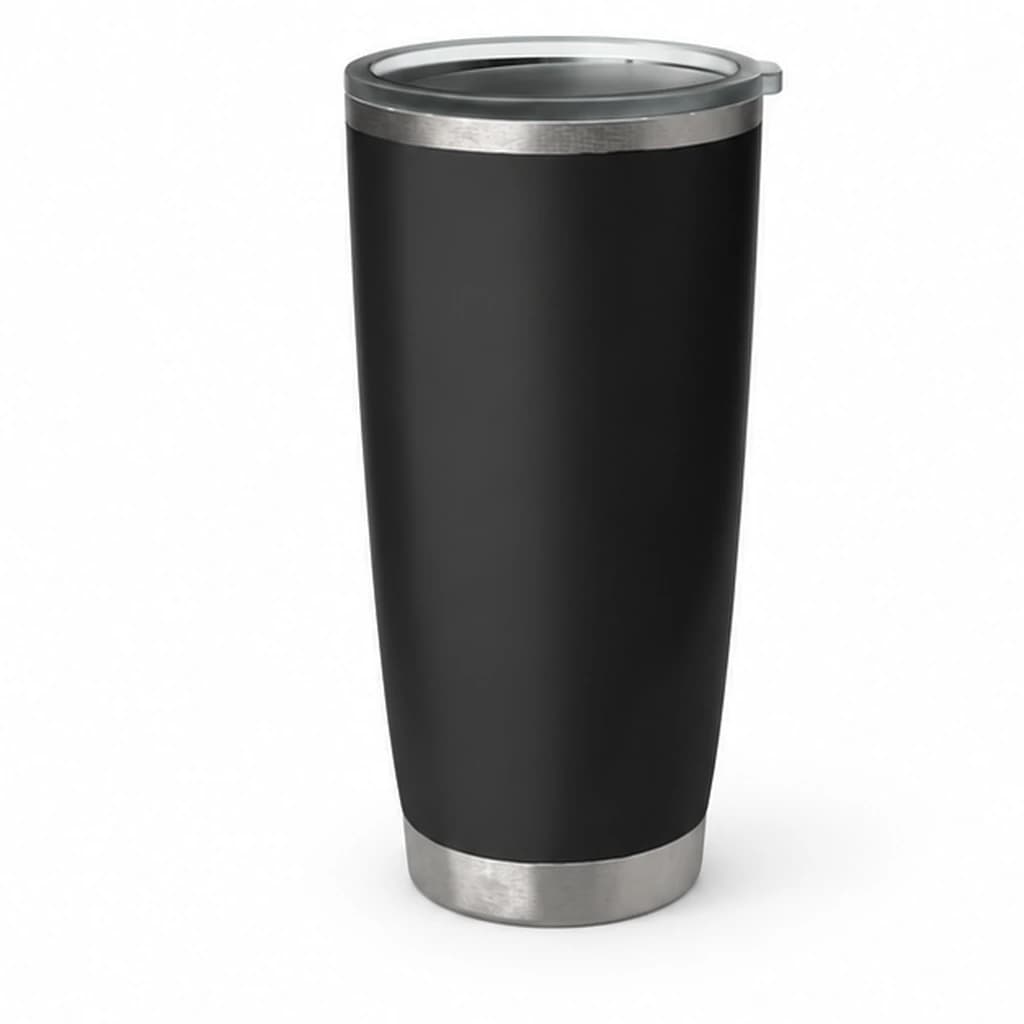
For a clean mark with no colour matching, laser engraving on the steel or bamboo mugs is usually the simplest route. For a brand colour, screen printing or UV printing is the better fit. See the full catalogue for the rest of the range.
Custom mug timeline checklist
- Date the mugs must arrive, written down
- Mug model, colour and quantity confirmed
- Branding method chosen to suit the material
- Logo sent as a vector file with brand colour codes
- One person named to approve the digital proof
- Number of print positions and any names per mug decided
- Packing chosen: bulk or individual boxes
- Delivery addresses collected before production starts
- Production and delivery time checked against the date in the quote
Frequently asked questions
How long does it take to print one custom mug?
The printing or engraving of one mug is quick. The time a business order takes comes from the artwork, the digital proof, the approval, preparing the run, curing or firing, packing and delivery.
Does laser engraving take longer than printing?
Not necessarily. Laser engraving needs no screens, ink or curing, but the laser traces every line, so a large or detailed design takes longer per mug. Screen printing needs screens first, then each colour in turn.
Can I speed up my custom mug order?
You can shorten the stages you control: send a vector logo at the start, answer proof changes quickly, approve with one person and collect addresses early. Production times are confirmed in the quote.
Why does a ceramic mug sometimes take longer?
Ceramic designs that use ceramic inks or transfers are fired in a kiln so the print fuses with the glaze, which adds heating and cooling time. Sublimated ceramic mugs are pressed with heat instead.
What do I need to send to get a timeline?
The mug you want, the quantity, the branding method, your logo, the number of positions, the packing and the delivery addresses. Request a quote and we confirm production time and delivery for your order.
Ready to plan your mugs? Browse the catalogue or request a quote with your logo, quantity and date.