How Do You Highlight Employee Care Packages in Corporate ESG Reports?
Where employee care packages fit in an ESG report, which data to collect during the year, how to word the disclosure honestly and how to avoid greenwashing.
By Zintora Team
Employee care packages belong in the social section of an ESG report, under how you support your own workforce. Describe them as an action with facts you can verify: why the packages were sent, who was eligible, how many people received them and what they contained. Keep any environmental claim about the contents separate and backed by supplier documents.
This guide is for HR, people and sustainability teams who send care packages, for example to remote staff, new starters or colleagues going through a hard time, and want to mention them properly in an ESG or sustainability report. It covers where the packages fit in the main reporting frameworks, which data to collect during the year, how to word the disclosure honestly and how to avoid overstating either the social or the environmental side. It is general information, not reporting or legal advice. For the environmental and procurement side of corporate gifts, see our guide to ESG corporate gifts.
What counts as an employee care package
A care package is a box of useful or comforting items sent to an employee for a reason connected to their wellbeing or their place in the company. Common examples:
- Wellbeing packs sent during a demanding period, such as a busy season or a restructuring.
- Remote and hybrid working packs that help people set up a comfortable workspace at home.
- Onboarding packs that welcome new starters and give them what they need on day one.
- Recognition packs for a milestone, a project or long service.
- Personal support packs sent when someone is unwell, bereaved or returning from leave.
The reason matters for reporting. A welcome pack is part of onboarding; a pack sent during sickness absence is part of health support. Group them by purpose before you write anything.
Is a care package material enough to report?
Be realistic. For most companies, care packages are a small part of how they treat their workforce, beside pay, working conditions, training, health and safety, and engagement. Reporting frameworks focus on material topics, so a care package programme usually belongs as one example of action within a wider wellbeing or engagement approach, not as a headline achievement.
That framing also protects you. A report that presents a box of gifts as the answer to workforce wellbeing invites the question of what else the company does. A report that says "as part of our wellbeing programme, we also sent care packages to remote employees" is accurate and modest.
Where employee care packages fit in the main frameworks
The table maps care packages to the parts of the main frameworks that deal with the workforce. Section names are general; check the current text of the standard you report against.
| Framework | Relevant part | How a care package can appear | Data that supports it |
|---|---|---|---|
| CSRD with ESRS S1 Own workforce | Policies, actions and resources for your own workforce, including wellbeing and work-life balance where material | As one action within a wellbeing or engagement programme | Purpose, eligibility, number of recipients, share of the workforce reached |
| GRI 401 Employment | Benefits provided to full-time employees that are not provided to temporary or part-time employees | As a benefit, noting whether every contract type is included | Eligibility rules by contract type |
| GRI 403 Occupational health and safety | Promotion of worker health | As a voluntary health promotion measure, if it is designed for that | Purpose, health risks addressed, how employees access it |
| UK annual report and voluntary sustainability reports | Narrative on employees and engagement | As an example of how the company supports and engages staff | Short description, numbers, link to the wider programme |
The GRI 401 Employment and GRI 403 Occupational Health and Safety standards are free to download from GRI. EFRAG publishes the ESRS. The EU has been simplifying the ESRS and narrowing which companies must report under CSRD, so many UK companies use these structures voluntarily or because a parent company or customer asks for them. Check which version and scope apply to you.
What data to collect during the year
The disclosure is only as good as the records behind it. Collect these as you go, not at year-end:
- Purpose of each send. Onboarding, wellbeing, recognition or personal support.
- Eligibility. Who could receive a package, and whether part-time, fixed-term, agency and remote staff were included. GRI 401 asks about differences between contract types.
- Number of recipients. Per send, per country if you report by country, and as a share of the workforce.
- Contents. The items in each package, so you can describe them accurately and avoid claims you cannot support.
- Supplier documents. For any item described as recycled, organic or certified, the supplier's certificate or written material statement for that batch.
- Feedback. If you ran a short survey or collected comments, the response rate and the main themes. Do not invent a satisfaction figure if you did not measure one.
- Link to policy. The wellbeing or engagement policy the packages belong to.
Privacy: aggregate, never individual
Some care packages reveal personal information. A package sent after a bereavement or during sickness absence tells anyone who sees the list something about that person's health or life. UK GDPR treats health data as special category data, so handle the records carefully and report only aggregated numbers. Never name or describe individual recipients of personal support packages in a report, and keep the internal list on a need-to-know basis.
Honest wording: weak statements and better ones
Reports lose credibility when a small action is described in large words. Compare:
- Weak: "We put employee wellbeing at the heart of everything we do with our care packages." Better: "As part of our wellbeing programme, we sent care packages to [number] remote employees in [number] countries in the second quarter."
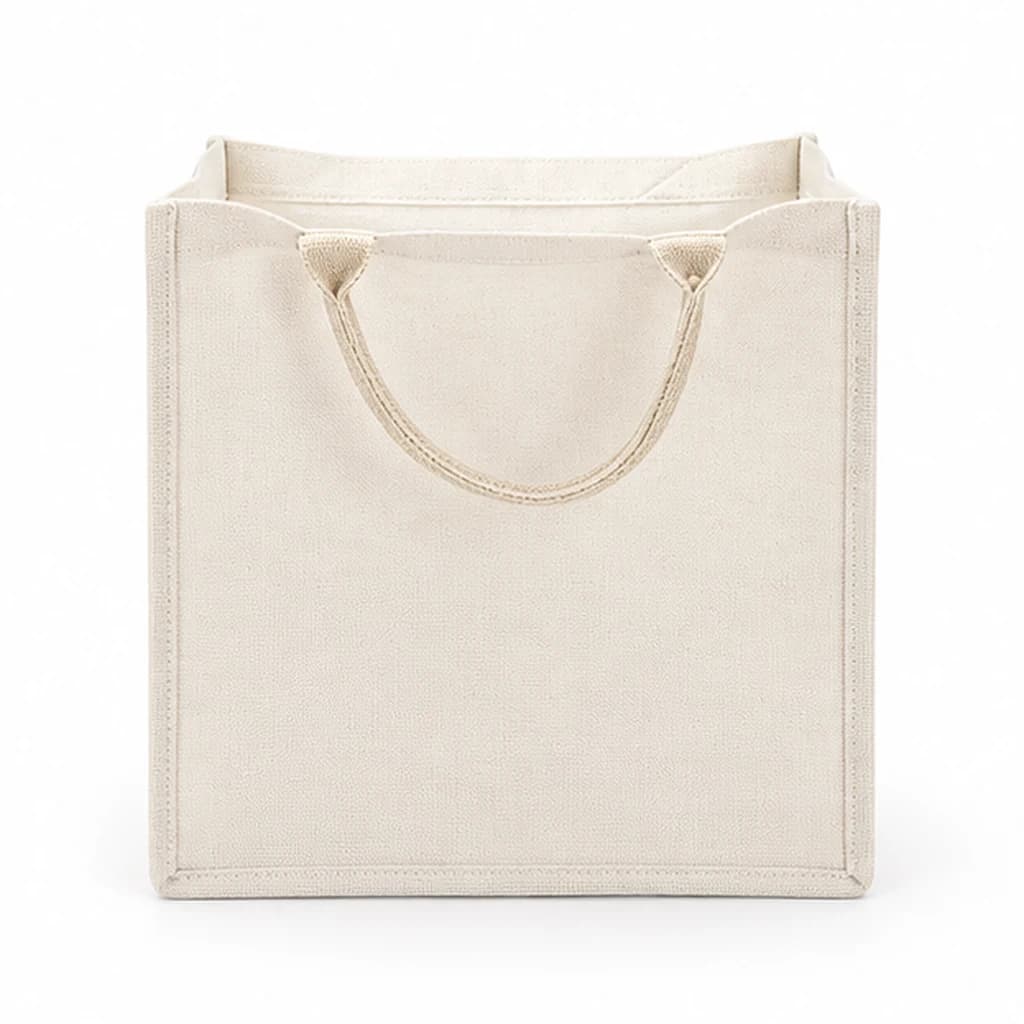
- Weak: "Our sustainable care packages have zero impact." Better: "The tote bags in the package were jute, as stated in the supplier's product information."
- Weak: "Employees love our care packages." Better: "Of the [number] employees who answered our short survey, [share] said the package helped them set up at home." Use this only if you ran the survey.
The square brackets mark where your own figures go; a good sentence always carries a real number.
Avoiding greenwashing in the environmental details
Care packages often carry environmental language: eco, sustainable, recycled, natural. In the UK, the Competition and Markets Authority's Green Claims Code sets out how environmental claims should be truthful, clear and backed by evidence. Apply the same discipline in your report:
- Describe the material, not a general virtue. "Jute tote bag" is better than "eco bag".
- Name a certificate only when you hold the certificate for that batch.
- Do not describe the package or the programme as carbon neutral. If you measured the footprint, report the measured figure with its method.
- Keep social and environmental claims apart, so one is not used to imply the other.
On our side, the rule is simple. The only certificate we name is the GRS of The Tenth House, checked per lot; certificates for other products are available on request. Our sustainable branded merchandise page explains what we can document for each product.
Choosing contents you can describe accurately
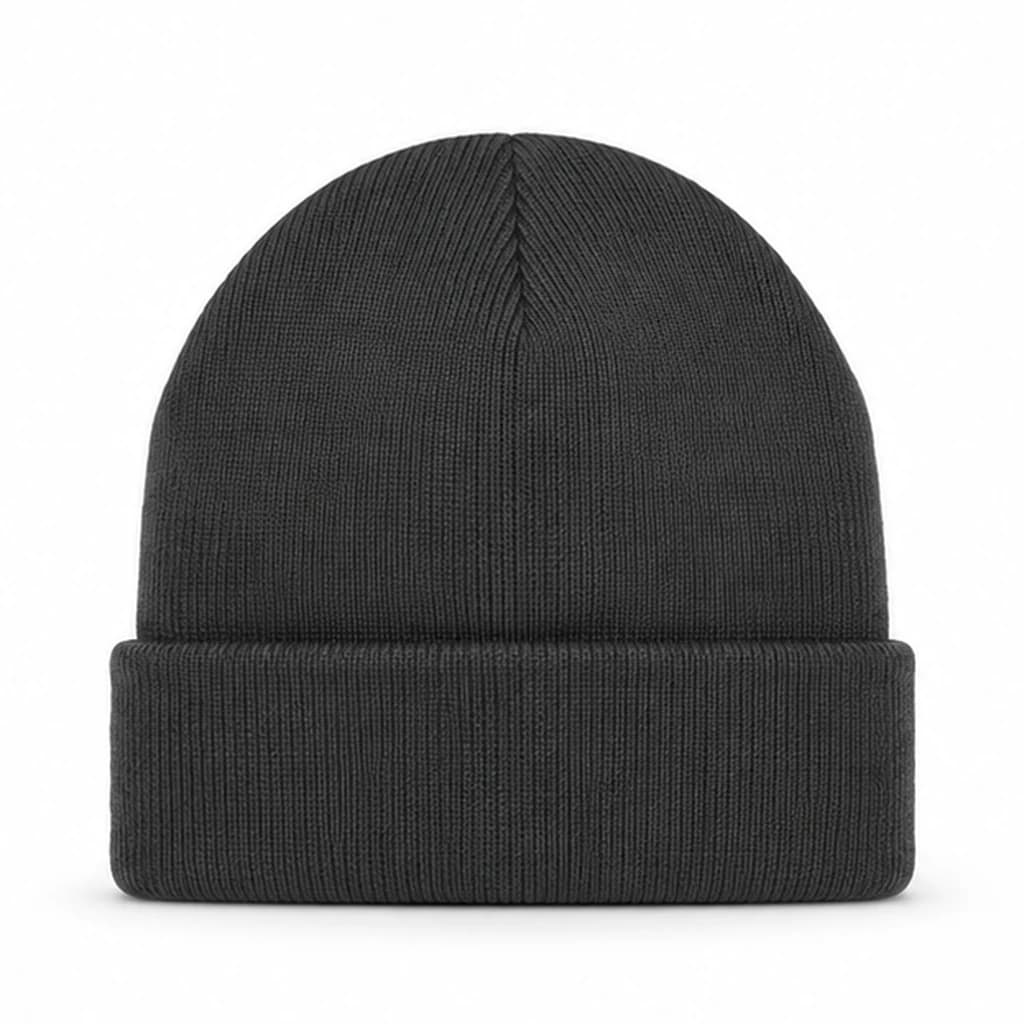
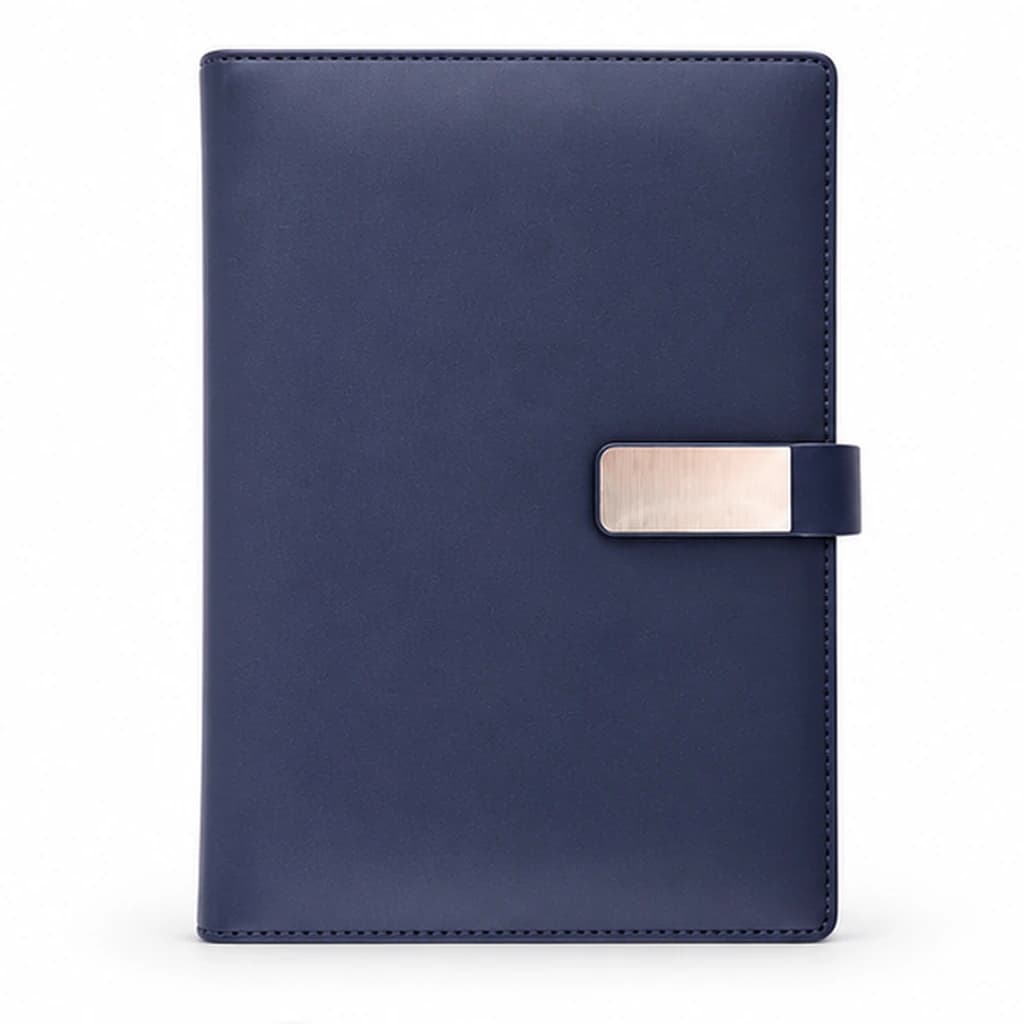
The easiest package to report is one whose contents are simple and well documented. Items from our catalogue that suit care packages include the Knitted Beanie, which the product page describes as cotton according to the supplier's sheet, the Thermal Mug with Handle, a 450 ml stainless steel mug, the Jute Tote Bag and the Classic Notebook. Each states a minimum of 25 units on its product page, and you approve a digital proof before production. For onboarding, our employee welcome packs page shows ready-made options.

Pricing is confirmed in your quote, ex VAT; printing and delivery are extra, UK import VAT and duties are paid on delivery. Packages can go to each employee's home. Production takes 10 to 20 working days after proof approval, confirmed in the quote.
Gifts to employees can also have tax consequences. HMRC explains when a small gift counts as a trivial benefit. General information, not tax advice. Check with your accountant.
Employee care packages ESG checklist
- Packages grouped by purpose: onboarding, wellbeing, recognition, personal support
- Eligibility recorded by contract type and location
- Recipient numbers and share of the workforce recorded per send
- Contents listed for every package
- Supplier documents kept for any material or certificate claim
- Feedback recorded only if actually collected
- Personal support recipients kept confidential and reported in aggregate
- Disclosure placed in the social or workforce section, linked to the wellbeing policy
- Wording checked against the Green Claims Code
- Framework version and scope confirmed with your reporting lead
Frequently asked questions
Where do employee care packages go in an ESG report?
In the social section, under your own workforce, as one action within a wellbeing, onboarding or engagement programme.
Do care packages count as a benefit under GRI 401?
They can, if they are offered to employees as a benefit. GRI 401 asks you to show whether benefits differ between full-time, part-time and temporary employees.
Can we call our care packages sustainable?
Only describe what you can document, such as a named material or a certificate for that batch. A general claim that a package is sustainable is hard to support.
Should we report the cost of the packages?
It is not usually required. Recipient numbers and the share of the workforce reached are more useful to readers than spend.
How do we start a care package programme with you?
Tell us the purpose, the number of recipients and the countries when you request a quote.