Sustainable corporate gifts for ESG reporting: the complete 2026 guide
More companies are documenting Scope 3 purchases, and corporate merchandise is part of that. What documents you need, which certifications count and how to build an audit-proof programme.
By Zintora Team
For a sustainable corporate gift to count in ESG reporting you need data, not adjectives: the material and a verifiable certificate for each item, the quantities and an estimate of its footprint for the Scope 3 inventory. Zintora states the estimated footprint per product in the quote and prepares sustainability reports with Scope 3 data.
Corporate gifts have historically been invisible in ESG reporting. One line on an expense note. No material data, no certification and no environmental declarations: just a supplier invoice.
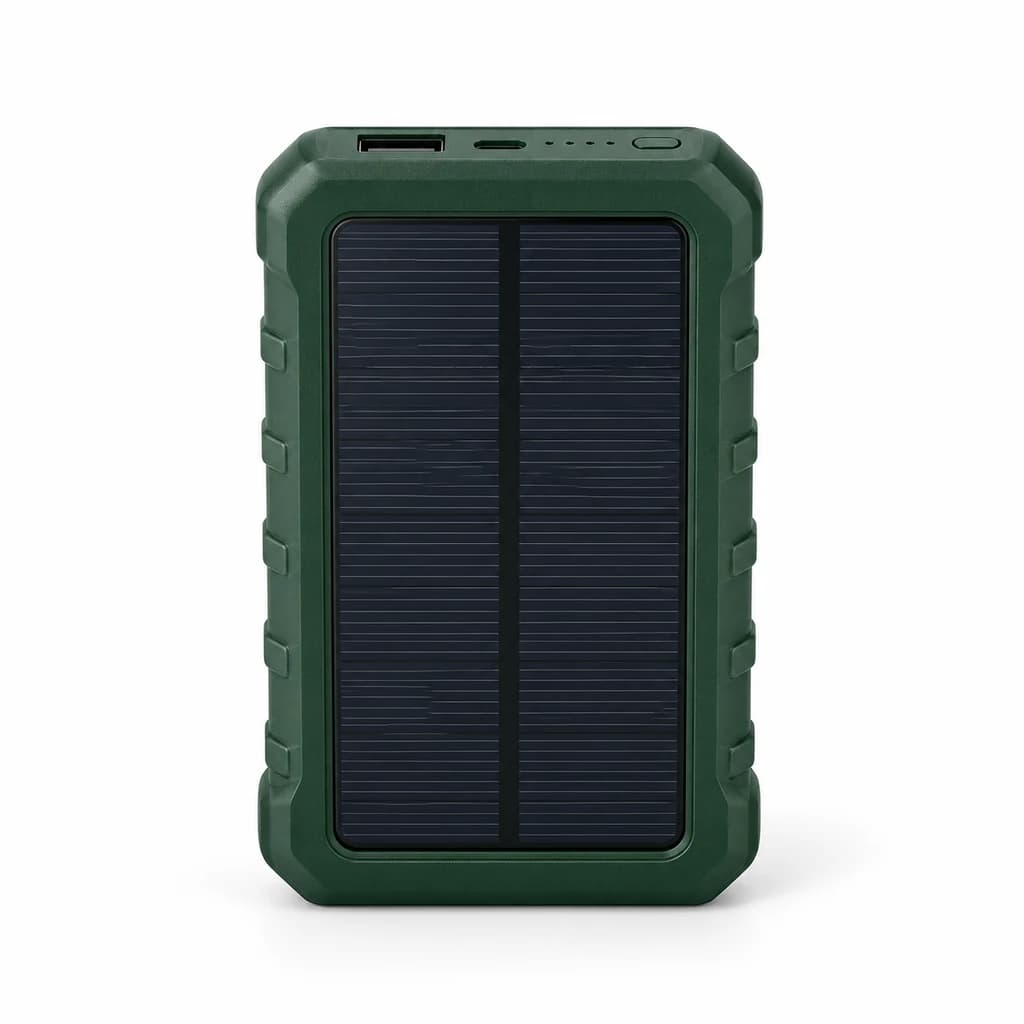
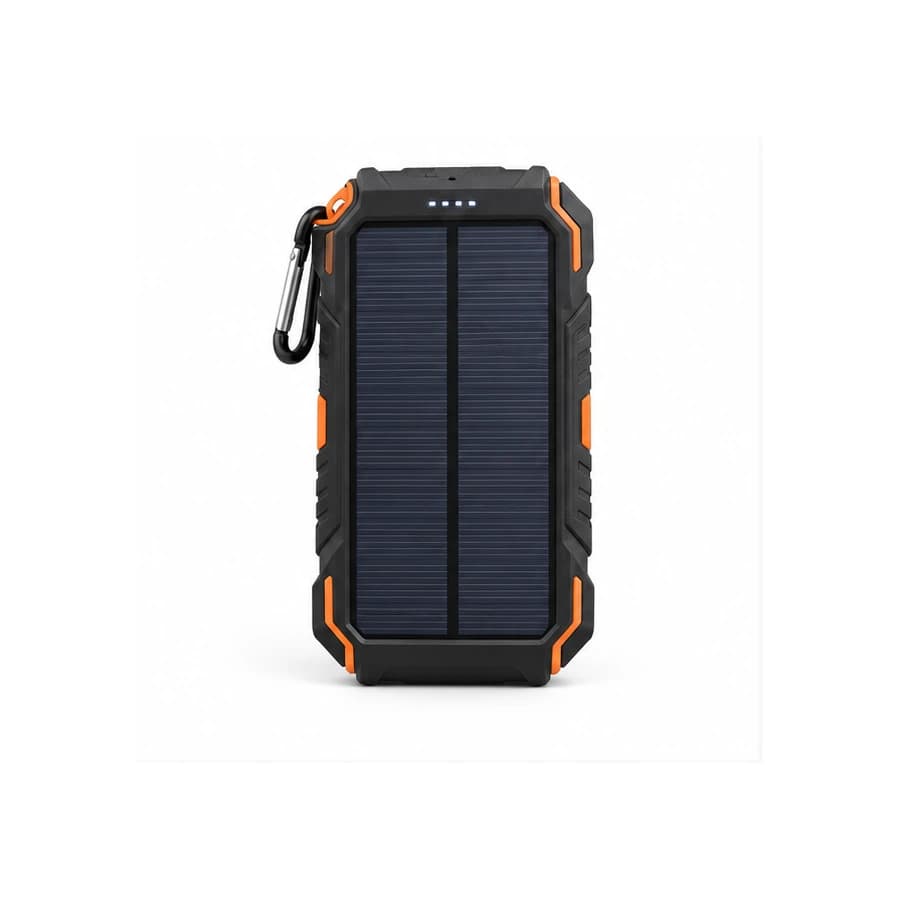
Related catalogue product: Beacon solar power bank.
That is changing fast. With growing investor pressure on Scope 3 emissions, mandatory sustainability reporting regimes in several jurisdictions and ever more demanding procurement standards, procurement teams are being asked to justify corporate gifts and personalised merchandise in a way that did not exist before.
This guide covers what an ESG-aligned gifting programme really requires in 2026: the certifications that count, the documentation you will need and how to build a programme that stands up to review. For the gifts themselves, see our corporate gifts range.
Why corporate gifts matter in ESG reporting
Scope 3, Category 1: purchased goods and services
Under the GHG Protocol, the framework used by most ESG reporting standards, corporate gifts and personalised merchandise fall under Scope 3, Category 1: purchased goods and services. That category covers the upstream emissions of everything your company buys.
For most companies, Scope 3 Category 1 is their biggest source of emissions: it includes raw materials, manufacturing, packaging and transport of all goods purchased. Merchandise, even if it is a small item in absolute terms, is getting more and more attention because:
- It is visible and tied to the brand: a sustainability failure in merch is a reputational risk
- It is one of the easiest categories to improve with certified alternatives
- Employees and clients receive it in person, so it communicates values directly
What investors and auditors look for
An ESG auditor reviewing Scope 3 Category 1 purchases will typically ask:
- Do you have certification requirements for suppliers? (GOTS, GRS, ISO 14001, B Corp and so on)
- Can you document the recycled or organic content of the materials purchased?
- Does your supply chain meet social criteria? (no child or forced labour, living wage)
- Are the claims verified by a third party or are they self-declarations?
A merchandise supplier with third-party certifications can answer all of this with documents. One that only makes unverified claims cannot.
Reporting standards that cover corporate gifts
Mandatory sustainability reporting regimes: depending on your size, listing and group structure, mandatory sustainability reporting rules may apply to you, to a parent company or to your customers. Where they do, significant Scope 3 emissions, and therefore purchased goods, are usually in scope, with third-party assurance. The rules differ between jurisdictions and change often, so confirm with your sustainability or legal adviser which ones apply to you. Many companies outside the mandatory regimes still receive Scope 3 data requests from their customers and lenders.
GRI standards (Global Reporting Initiative): GRI 301 (materials) requires disclosing the weight or volume of materials used, the percentage of recycled input materials and whether reclaimed products are used. Corporate merchandise falls within that disclosure.
TCFD: recommends disclosing Scope 3 emissions as part of the transition risk assessment. Increasingly adopted by financial institutions that demand data from their suppliers.
ISO 14001: the environmental management system standard. Companies with ISO 14001 are expected to apply environmental criteria to their purchasing, merchandise included.
Certifications that count for ESG documentation
Not all green claims are worth the same. This is the useful hierarchy for corporate gift purchasing:
Level 1: third-party verified, with chain of custody
| Certification | What it covers | Issued by |
|---|---|---|
| GRS (Global Recycled Standard) | Recycled content, chain of custody, social and environmental criteria | Textile Exchange and accredited bodies |
| GOTS (Global Organic Textile Standard) | Organic fibres, social compliance, chemical restrictions | Global Standard gGmbH |
| FSC (Forest Stewardship Council) | Wood and paper from responsible sources | FSC International |
| Fair Trade Certified | Social standards, fair wages, community development | Fair Trade USA / Fairtrade International |
Level 2: partial verification
| Certification | What it covers | Limitation |
|---|---|---|
| OEKO-TEX Standard 100 | Chemical safety of the finished product | Does not certify recycled content or social criteria |
| Cradle to Cradle | Product life cycle and material health | Company self-assessment with third-party review |
| B Corp | Company-level practices | Does not certify specific products or supply chains |
Level 3: self-declarations (not reportable as a verified claim)
- "Eco-friendly" with no certification
- "Made with sustainable materials" with no documentation
- "Carbon neutral" applied to a product because emissions were offset: widely challenged and restricted in a growing number of jurisdictions, and not a claim Zintora makes
For ESG reporting, only Level 1 certifications provide the auditable, third-party verified documentation that holds up in an assurance review.
What documentation to ask your merchandise supplier for
When you place an order that will be included in ESG reporting, ask your supplier for:
1. Scope certificates. The supplier's current GRS, GOTS or FSC certificate, with certificate number, scope (which products and materials it covers), certifying body and expiry date. Check that it is in force and covers your specific order.
2. Transaction certificates. For your specific batch: a transaction certificate confirming that the goods you received were produced with certified materials. It is the document that links your purchase to the certification.
3. Material composition declaration. A written declaration of the composition of your products, with the percentages of recycled, organic and virgin content, signed by someone responsible at the supplier.
4. Social compliance documentation. A factory audit report or a declaration of compliance with the code of conduct, covering the ban on child and forced labour, working hours and wages, and health and safety conditions.
5. Packaging declaration. A declaration of the packaging materials (plastic-free, recycled content, compostable) for full life-cycle accounting.
How to build an ESG-aligned gifting policy
Step 1: define minimum supplier standards
Draft a sustainable purchasing policy for corporate gifts that includes:
- Minimum certification requirement: at least one Level 1 certification (GRS, GOTS or FSC) for all textile and paper products
- Social compliance baseline: a third-party factory audit or signed code-of-conduct compliance
- Packaging: plastic-free or with a required minimum recycled content
- Documentation: the supplier must be able to provide scope and transaction certificates on request
Step 2: classify your gift spend
| Category | ESG documentation priority |
|---|---|
| Personalised clothing (hoodies, T-shirts) | High: significant material impact, with GRS and GOTS available |
| Bottles and mugs | Medium: specify recycled content and BPA-free |
| Paper and notebooks | Medium: FSC certifiable |
| Food and consumables | Low: organic certification where applicable |
| Tech accessories | Medium: specify recycled content and RoHS compliance |
Step 3: set certified-content targets
An example of annual progression: in year one, 50% of textile orders from GRS or GOTS certified sources; in year two, 75% certified and plastic-free packaging on 100% of orders; in year three, 100% certified.
Step 4: collect and keep the documentation
Create a purchase file for each order with the supplier's name and certification numbers, the material composition declaration, a copy of the scope certificate, the transaction certificate when obtained and the packaging declaration.
That file is what your ESG auditor will review. Most assurance providers ask for a sample.
Step 5: reflect it in your sustainability disclosure
With that foundation you can state in your report things like: "X% of corporate merchandise spend came from GRS or GOTS certified suppliers in [year]", "all corporate merchandise packaging was plastic-free from [date]" or "our personalised clothing supplier [name] holds GRS certification [number], covering cotton and post-consumer recycled polyester".
These are verifiable, specific and defensible statements, not marketing language.
How Zintora helps with ESG documentation
We can provide:
- Certificates on request: we work with certified products and provide the applicable certificate; certification is checked per batch and is not attributed by default to a product page
- Supplier GRS documentation: the scope certificate of our supplier The Tenth House (no. J22647-G06-2022-003370), which belongs to the supplier and not to Zintora; we confirm per batch whether your order is covered
- Estimated carbon footprint per product: in kg CO2e, with the calculation basis shared in the quote or in the report
- Sustainability reports with Scope 3 data: emissions of the merchandise purchased, to include in your inventory
Request the certificates · See our sustainability approach · Check quality and certifications · Browse the catalogue
To see how these documents apply product by product, read our guide to eco-friendly merchandise certifications, or browse 50 sustainable corporate gift ideas. To start a project, request a quote.
Frequently asked questions
Does personalised merchandise have to be included in Scope 3 reporting? Yes. Under the GHG Protocol, Scope 3 Category 1 (purchased goods and services) covers all materials bought, merchandise included. The materiality threshold varies by company, but increasingly all significant spend categories are expected to be documented.
What is the minimum recycled content for a valid claim? Under GRS, a product needs 20% recycled content to be certified and 50% or more to use the GRS logo. For ESG reporting, always state the real percentage rather than a binary "recycled / not recycled".
Can we claim our gifts are carbon neutral? Not if the claim rests on offsetting. Claims that a product has a neutral, reduced or positive emissions impact because emissions were offset, even with verified credits, are widely challenged and restricted in a growing number of jurisdictions. What is defensible is reporting the measured footprint, with its method and scope, and presenting any contribution to climate projects separately. Zintora does not describe any product as carbon neutral and does not offset emissions. We explain more in our sustainability overview.
How often does supplier documentation need updating? GRS and GOTS certificates are renewed annually. Always check that your supplier's certificate was in force at the time of your order: an expired certificate cannot support a verified claim.