How Do You Ship Onboarding Kits to Employees in Other Countries?
How to ship onboarding kits to employees in other countries: address collection, items that travel, customs declarations, duties, packaging and delivery to each home.
By Zintora Team
To ship onboarding kits to employees in other countries, collect each new starter's home address and phone number when the offer is accepted, choose items that travel without restrictions, decide who pays import duty and tax, and declare the kit at its real value. Then ship onboarding kits individually, tracked, so they arrive before day one.
That is the process in one paragraph. This guide takes it step by step, from the moment an offer is signed to the parcel on the doorstep, with the paperwork, the items to avoid and the points where international kits most often go wrong. If you are still deciding what goes in the kit, start with our guide to the remote team onboarding kit; this article is about getting it across borders.
Step 1: work backwards from the start date
An international kit has more stages than a domestic one, and each takes time. Work backwards from the first day:
- Delivery to the home, a few days before the start date, so the kit is there when the laptop arrives.
- Transit and customs, which vary by country and carrier.
- Packing and dispatch.
- Production, if the kit includes branded items made for your order.
- Proof approval of the branding.
- Address and size collection from the new starter.
For branded kits made to order, production comes first. Production takes 10 to 20 working days after proof approval, confirmed in the quote. Transit and customs come on top. For companies that hire continuously, it is often easier to produce a batch of kits ahead of time, keep them at your office and send one to each new starter as they join.
Step 2: collect the address the right way
The address is where most international kits go wrong. Ask the new starter directly, as soon as the offer is accepted, rather than relying on the address on their CV or contract, which may be out of date or not where they will be on day one.
Collect:
- The full home address, in the local format, including flat or building numbers, district and postcode where they apply.
- A phone number, because many carriers need one for international deliveries and customs contact.
- Clothing sizes, if the kit includes a hoodie or T-shirt.
- Any delivery notes, such as a concierge, a gate code or days when nobody is in.
Home addresses and phone numbers are personal data. Collect only what delivery needs, share them securely with whoever is sending the kit and agree how long they are kept.
Step 3: choose contents that travel
Some items that work well in a UK kit become a problem once they cross a border. Carriers treat lithium batteries as dangerous goods on air routes, and liquids and aerosols can be restricted. The table gives a quick guide.
| Kit item | Travels easily? | Note |
|---|---|---|
| Notebook and pen | Yes | Light, flat and simple to declare |
| Steel or glass bottle, sent empty | Yes | Pack glass with protection |
| Hoodie or T-shirt | Yes | Collect sizes first; declare the fabric |
| Backpack | Yes | Bulky, so it affects the box size and shipping cost |
| Mug | Usually | Needs protective packing |
| Power bank or wireless charger with battery | Often restricted | Lithium battery rules on air routes |
| Fragrance, candles with scented oils, sanitiser | Often restricted | Liquids and flammable items |
| Food and drink | Restricted in many countries | Zintora does not supply food or drink |
The simplest international kit is made of items that are light, durable and battery-free. Keep anything restricted for UK starters, or send it separately where the route allows it.
Step 4: declare the kit correctly
Every parcel that crosses a customs border needs a customs declaration. For an onboarding kit, that means:
- A clear description of each item, such as "cotton hooded sweatshirt" or "stainless steel drinking bottle", not "welcome kit" or "gift".
- The real value of the goods.
- A commodity code for commercial shipments, which sets the duty rate in the destination country. GOV.UK explains how to find commodity codes.
A kit from an employer is usually not a "gift" for customs purposes. For parcels into the UK, GOV.UK says gifts must be "bought and sent between individuals (not companies)" to qualify for the gift allowance (GOV.UK: gifts sent from abroad, checked 4 November 2026), and many other countries take a similar view. Declare it as what it is.
Step 5: decide who pays duties and import tax
When the kit arrives in another country, import duty and tax may be due, and the carrier may add a clearance fee. There are two ways to handle it:
- Delivered duty paid: the sender pays all charges, and the new starter receives the kit with nothing to pay.
- Duties unpaid: the new starter is asked to pay before the parcel is released.
For onboarding, delivered duty paid is the only sensible choice. Nobody should be asked to pay a customs bill to receive their employer's welcome kit, and a refused parcel is usually returned to the sender after a holding period. General information, not tax advice. Check with your accountant.
There is also the question of tax on the employee's side. In the UK, some small, non-cash benefits can be exempt as trivial benefits, while other items may count as taxable benefits. Employees abroad fall under their own country's rules. Check with your payroll team or accountant before you set the contents.
Step 6: pack for the journey
An international parcel travels further, is handled more often and may be opened at customs. Use an outer box strong enough for courier transit, protect mugs and glass with inserts, and keep the presentation inside: a branded box that arrives intact makes a better first impression than a beautiful box that arrives crushed. The Shipping Box with Sticker is designed for sending kits, with a minimum of 50 units.

Do not pack laptop passwords or log-in details in the kit. Send them separately.
Step 7: deliver to the home and track it
Send each kit to the new starter's home rather than to a local office they may not visit, with tracking for every parcel. Share the tracking with the new starter, so they know when to expect it, and keep an eye on any parcel that stalls at customs.
Our page on merchandise for remote teams explains how we plan deliveries to individual homes.
What an international onboarding kit can include
A kit that travels well is usually built from a few durable items. Examples from our catalogue:
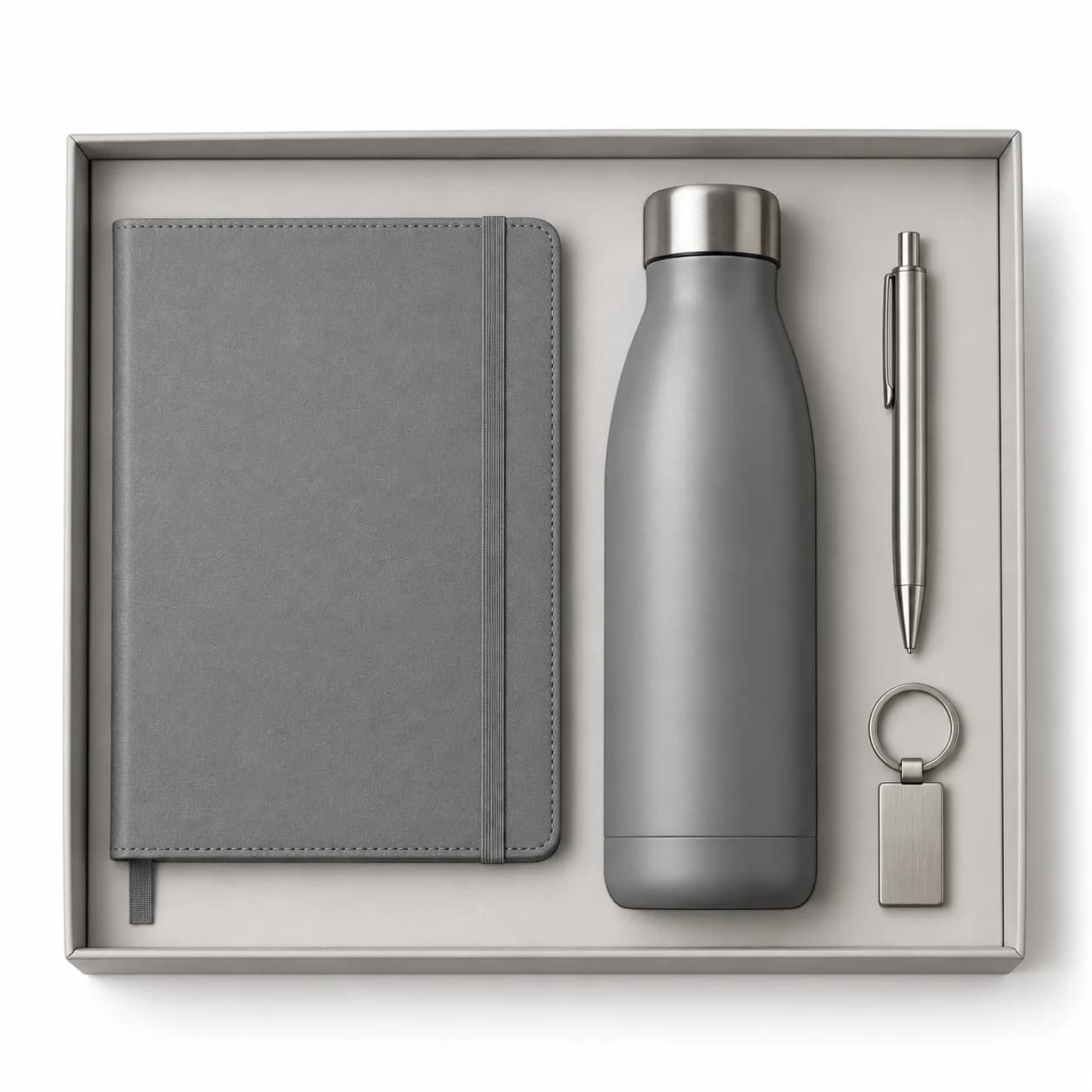
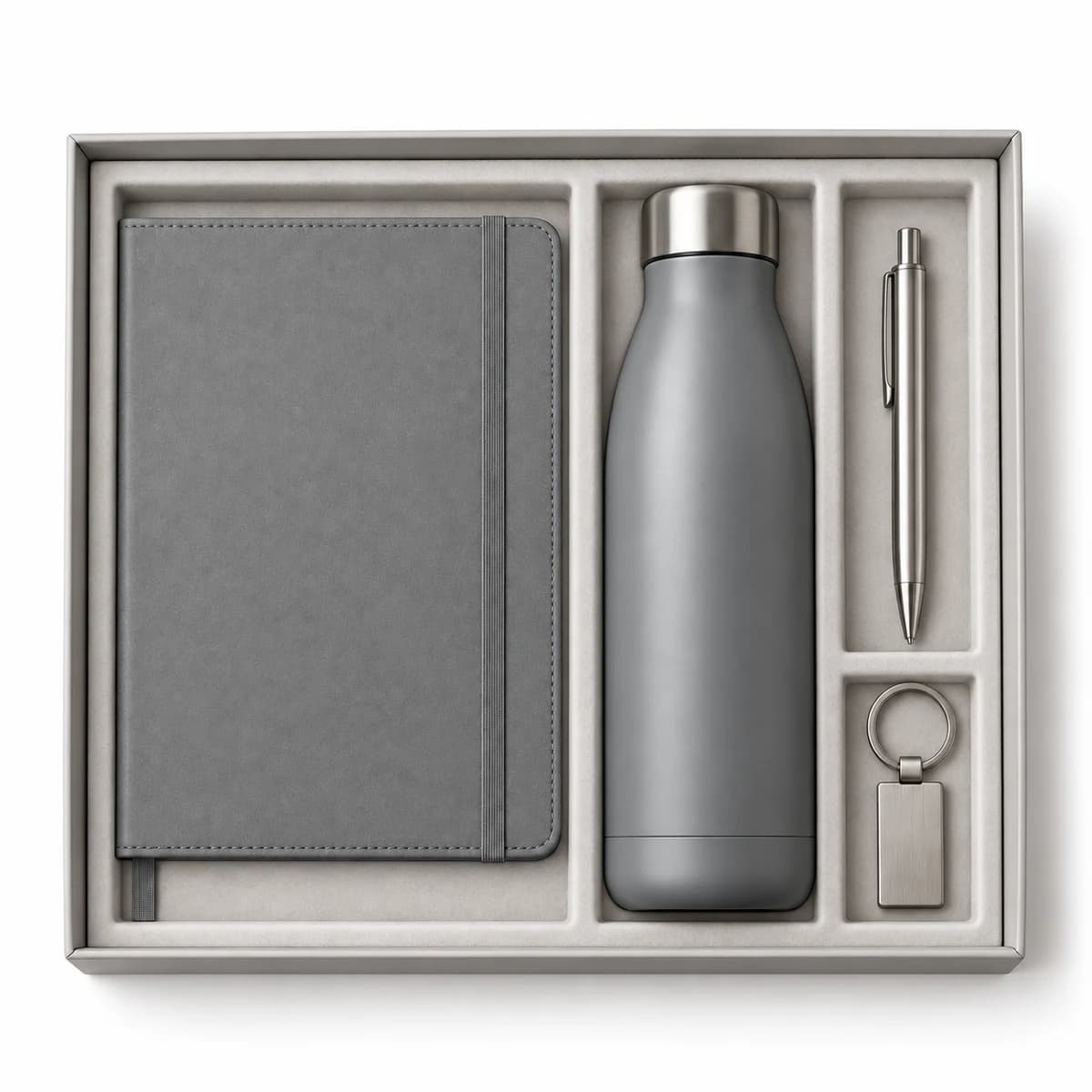
- Grey four-piece welcome pack: a grey A5 notebook, a steel bottle, a click pen and a metal keyring, with a minimum of 1 pack.
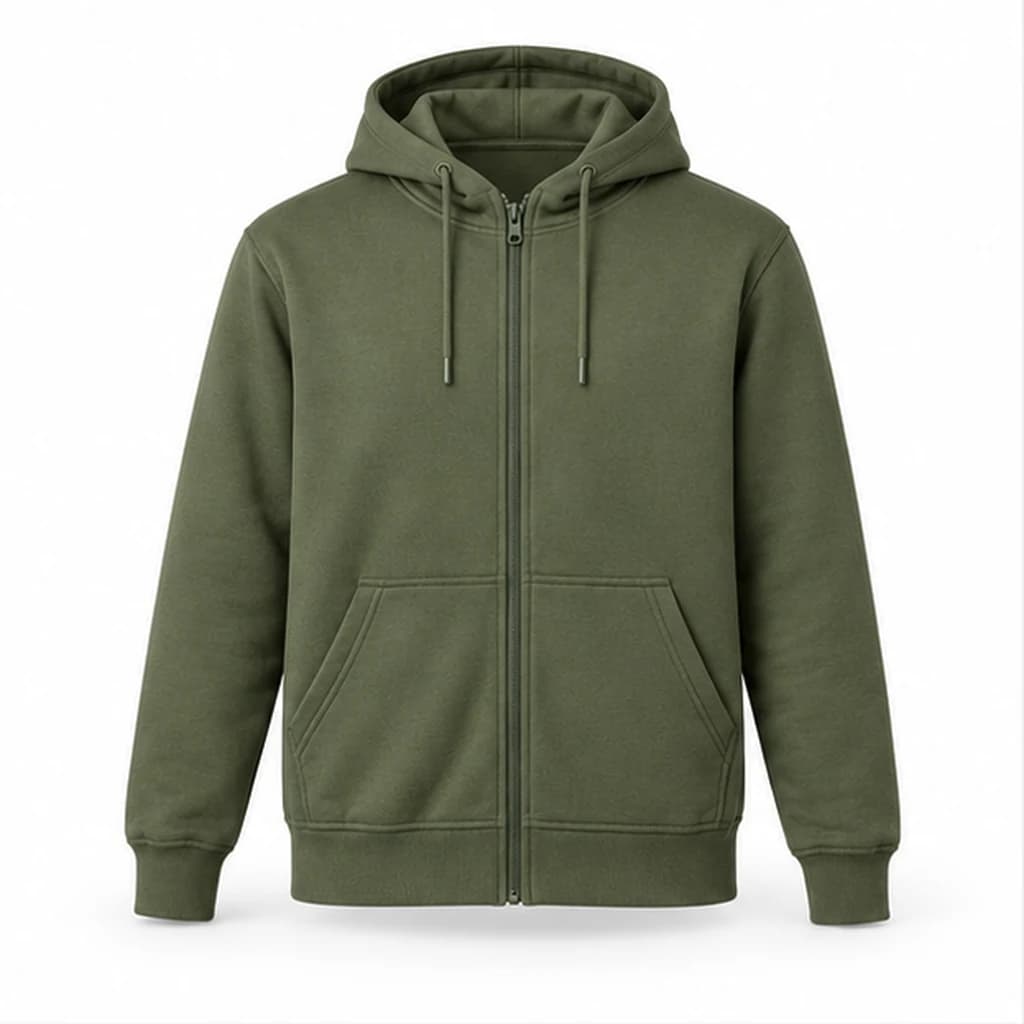
- Premium Zip Hoodie: a garment that is worn outside work too, with a minimum of 25 units.
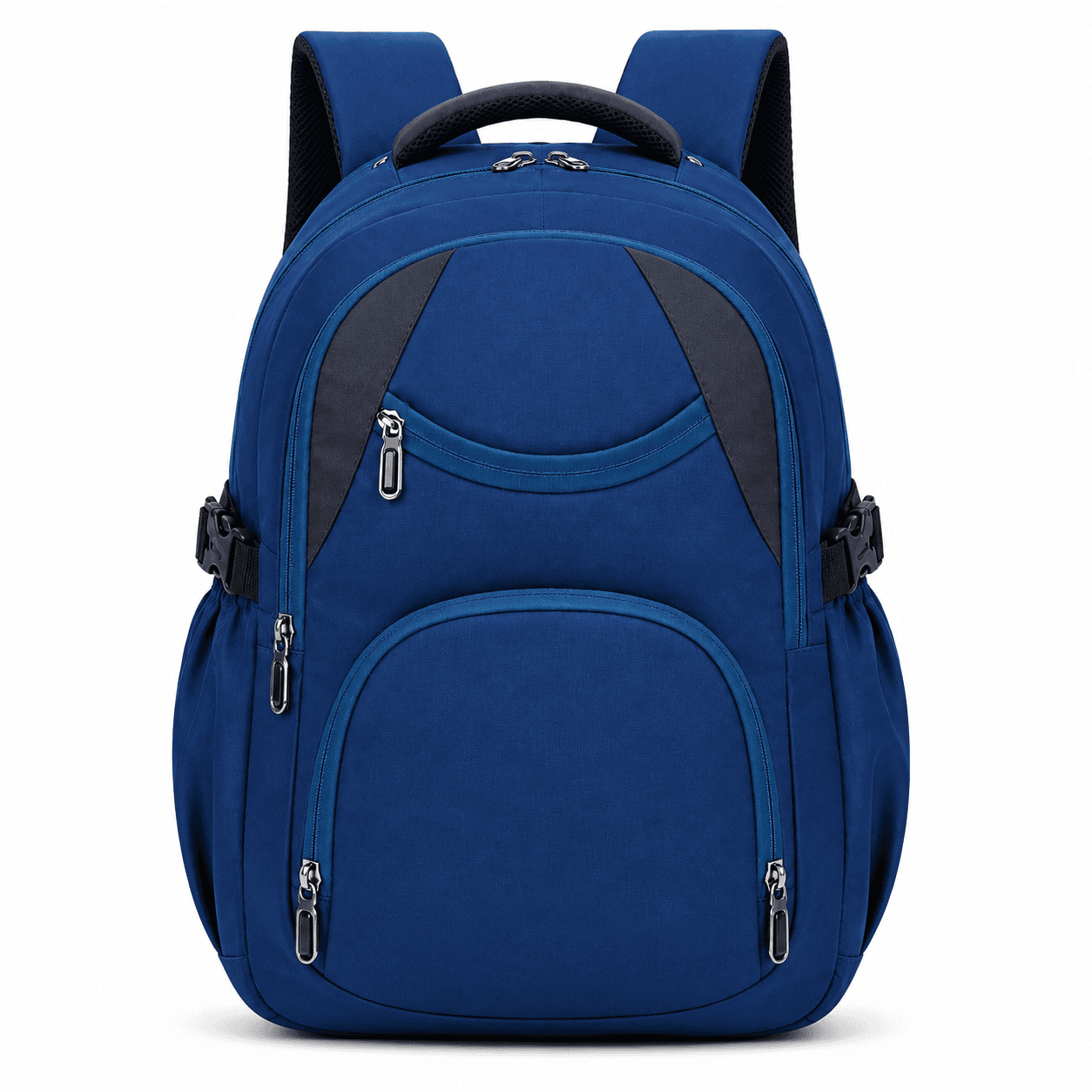
- Laptop Backpack with Organiser: two main compartments, organiser pockets and padded laptop space, with a minimum of 1 unit.
Our employee welcome packs page lists the ready-made packs, and our branded backpacks page shows the bag options. Zintora delivers across the UK and internationally to Europe, the Middle East and Africa, Asia-Pacific and the Americas, to each person's home or to an office. Pricing is confirmed in your quote, ex VAT; printing and delivery are extra, UK import VAT and duties are paid on delivery. For kits sent outside the UK, the quote sets out how charges in each destination are handled.
International onboarding kit checklist
- Start date confirmed and plan built backwards from it
- Home address, phone number and sizes collected from the new starter
- Address in the local format, checked for gaps
- Contents free of batteries, liquids and other restricted items
- Each item described accurately with its real value
- Commodity codes agreed for commercial shipments
- Delivered duty paid confirmed for every destination
- Benefit tax treatment checked with payroll or an accountant
- Packaging suitable for courier transit
- Log-in details sent separately from the parcel
- Tracking shared with the new starter
Frequently asked questions
Can I mark an onboarding kit as a gift on the customs form?
No. A kit sent by an employer is generally a commercial shipment, not a gift between individuals. Describe each item accurately and give its real value.
What should I leave out of an international onboarding kit?
Items with lithium batteries, such as power banks, plus liquids, aerosols, fragrances and food. They can be restricted or delayed on international routes.
Who pays customs charges on an onboarding kit?
Ideally the employer, by shipping delivered duty paid. Otherwise the new starter may be asked to pay before delivery, which is not the welcome you want.
Should I send the kit to an office or the employee's home?
For remote employees, send it to their home. A local office only makes sense if the person will actually be there in their first week.
How early should I order international onboarding kits?
As early as your hiring plan allows. For branded items made to order, production takes 10 to 20 working days after proof approval, then transit and customs. Producing a batch ahead of time helps when you hire regularly.
Plan your next international kit
Tell us the destinations, the number of new starters and the items you would like, and the quote will cover production and delivery to each country. Request a quote, compare ready-made employee welcome packs or browse the catalogue.