Which Corporate Gifting Platform Has the Best Local Warehouse Coverage?
How local warehouse coverage changes duties and import VAT for corporate gifts in Asia-Pacific, India and Europe, the Middle East and Africa, and what to ask a platform.
By Zintora Team
The corporate gifting platform with the best local warehouse coverage is the one that fulfils from inside the same customs territory as your recipients. Ask each platform which countries it ships from, whether parcels travel delivered duty paid and which items are blocked, because local warehouse coverage only cuts customs fees when a gift never crosses a border.
That is the short answer. The longer one depends on where your recipients are, what you are sending and how often you send it. This guide explains how in-region stock and fulfilment change the duties and import VAT a recipient may be asked to pay, how that plays out in Asia-Pacific, India and Europe, the Middle East and Africa, and which questions get a straight answer from a platform. For a wider comparison of the companies themselves, see our guide to the best corporate gifting companies.
Why the warehouse location decides the customs bill
Customs charges are triggered when goods enter a customs territory. A parcel that starts and ends inside the same territory is a domestic delivery: no import declaration, no import duty and no import VAT at the border. A parcel that crosses into another territory needs a customs declaration, and the receiving country can charge three different things:
- Import duty, a percentage set by the receiving country's tariff, which depends on what the item is (its commodity code) and sometimes on where it was made.
- Import VAT or the local equivalent, such as GST, usually charged on the value of the goods plus shipping, insurance and any duty.
- A clearance or handling fee that the carrier charges for dealing with customs on someone's behalf.
So "local warehouse coverage" is really a question about borders. A warehouse in the same country as the recipient removes the border. A warehouse in a neighbouring country may or may not, depending on whether both countries share a customs union.
There is a detail that many gifting guides skip. In the UK, the gift allowance for parcels from abroad only covers goods "bought and sent between individuals (not companies)", according to GOV.UK guidance on goods sent from abroad (checked 4 November 2026). Many other countries apply similar logic. A corporate gift sent by a business is generally treated as a commercial import, so describing it as a personal gift on the declaration is not a way round duties. General information, not tax advice. Check with your accountant.
How local coverage works in each region
Each region raises different questions, so it helps to look at them separately rather than as one "international" bucket.
Asia-Pacific
Asia-Pacific is not one customs area. Australia, Singapore, Japan, Hong Kong, New Zealand and the other markets each run their own customs and tax rules. A warehouse in one of them removes the border only for recipients in that same country. If your recipients are spread across several Asia-Pacific countries, ask the platform for the list of countries it fulfils from domestically, and treat every other destination as a cross-border shipment with its own duties and paperwork.
India
India is its own customs territory with its own tariff, documentation and courier requirements, and couriers may ask the recipient for identification details before clearance. That makes it one of the routes where in-country fulfilment matters most. Ask whether the platform delivers to India from inside India, or ships in from another country. If it ships in, ask who acts as the importer and who pays the duty and tax, and whether the recipient will be contacted for documents.
Europe, the Middle East and Africa
Within the European Union, goods move between member states without customs checks, so one warehouse inside the EU can serve recipients across the union without import duty. The UK left the EU customs union, so parcels between the UK and the EU now cross a customs border in both directions. The Middle East and Africa are made up of many separate territories with very different rules, so a European warehouse does not remove customs for a recipient in Dubai, Nairobi or Johannesburg.
Fulfilment models compared
Platforms use different models, sometimes several at once. The table shows where the goods sit before they travel and what that usually means for the recipient.
| Fulfilment model | Where the goods start | What the recipient may face | When it fits |
|---|---|---|---|
| Domestic warehouse in the recipient's country | Same country | No import charges | Repeat sends of standard items to one market |
| Regional warehouse inside a customs union | Same union, different country | No import charges within the union | Many recipients across the EU |
| Cross-border, delivered duty paid | Another territory | Nothing to pay if the sender covered duty and tax | Branded kits made for one campaign |
| Cross-border, duties unpaid | Another territory | A bill from the carrier before delivery | Rarely suitable for gifts |
| Local sourcing or printing in-country | Partner in the recipient's country | No import charges, but the item may differ | Simple items where an exact match matters less |
| Digital gift card | No physical goods | No customs at all | When a branded item is not essential |
Delivered duty paid versus duties unpaid
Two delivery terms come up in almost every international gifting quote:
- Delivered duty paid (DDP): the sender, or the platform acting for them, pays the import duty, import VAT and clearance fees. The recipient opens the door and receives the parcel with nothing to pay.
- Delivered at place (DAP), often called duties unpaid: the goods are delivered, but import charges are the recipient's to pay. For a gift, that means asking a client or new starter to pay to receive something you sent them.
GOV.UK explains how this works for parcels coming into the UK: the carrier contacts the recipient with a bill, normally holds the parcel for about three weeks and returns it to the sender if the bill is not paid (GOV.UK: tax and duty on goods sent from abroad, checked 4 November 2026). Other countries have their own versions of the same process. A warehouse in the right country avoids the question altogether; where there is no such warehouse, delivered duty paid terms are the next best protection for the recipient.
When a local warehouse does not help
Local stock sounds like the answer to every customs problem, but it has limits that platforms do not always mention:
- Custom branded items are made for your order. A kit with your logo on a bottle, notebook and box is produced after you approve the design, so it has to travel from the place of production to each region. The warehouse only helps after that first import, and somebody pays duty on that bulk shipment.
- Stock is split by region. If you hold kits in three regions, you need to forecast how many people each region will need. Too few means cross-border sends after all; too many means items sitting unused.
- Storage is not free. Platforms that hold goods for you usually charge for storage, kitting and pick and pack. Ask how those are calculated before you compare them with a delivered duty paid route.
- Restricted items stay restricted. Some items, such as power banks with lithium batteries, have shipping restrictions that a nearby warehouse does not remove.
For small or one-off international lists, a well-documented delivered duty paid shipment is often simpler than funding stock in several regions.
Questions to ask a platform about local warehouse coverage
Put these questions to every platform and ask for the answers in writing:
- Which countries do you deliver to from a warehouse or partner inside that country?
- For every other country, do you ship delivered duty paid, and does your quote include the duty, import tax and clearance fees?
- Who is the importer for each route, and will the recipient be contacted for identification or documents?
- Which items in my order cannot be sent to which countries?
- If I hold stock with you, how are storage, kitting and dispatch charged, and what happens to unused items?
- What happens if a recipient refuses to pay a charge and the parcel comes back?
A platform that answers all six clearly is giving you real coverage information, not a map on a sales page.
How Zintora handles international delivery
Zintora delivers across the UK and internationally to Europe, the Middle East and Africa, Asia-Pacific and the Americas. We make branded merchandise to order and quote each project separately, so every international delivery is planned around its destinations. When you send us your list of countries, the quote sets out the delivery terms and the destinations it covers, and we tell you if an item in your selection is not suitable for a particular route.
Every order starts with a digital proof of the branding. Production takes 10 to 20 working days after proof approval, confirmed in the quote. Minimums depend on the product: the Grey four-piece welcome pack starts at 1 pack, the High-Grade Steel Bottle at 25 units and the Shipping Box with Logo at 50 units. Pricing is confirmed in your quote, ex VAT; printing and delivery are extra, UK import VAT and duties are paid on delivery. For deliveries outside the UK, the quote states how the destination's charges are handled for your route.
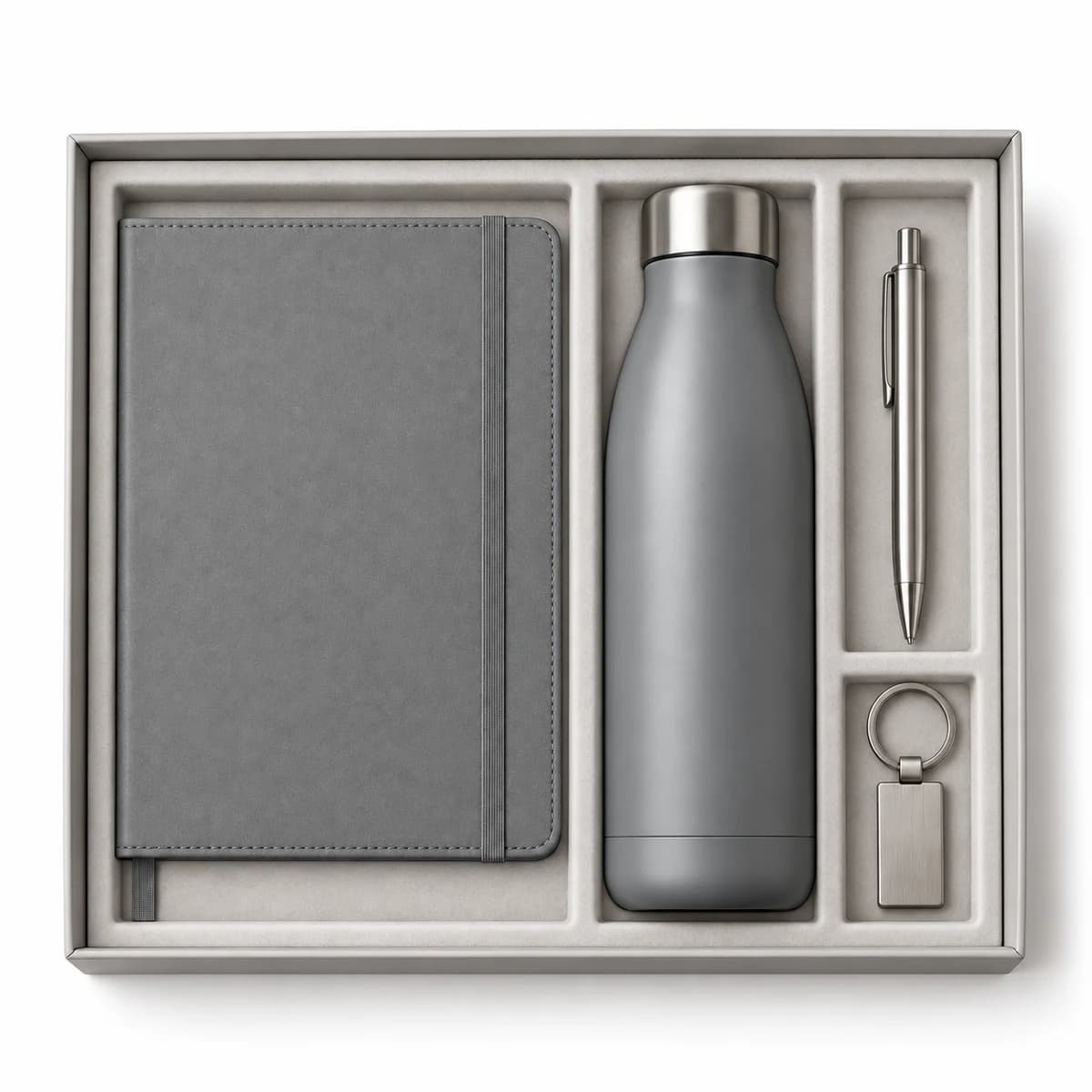
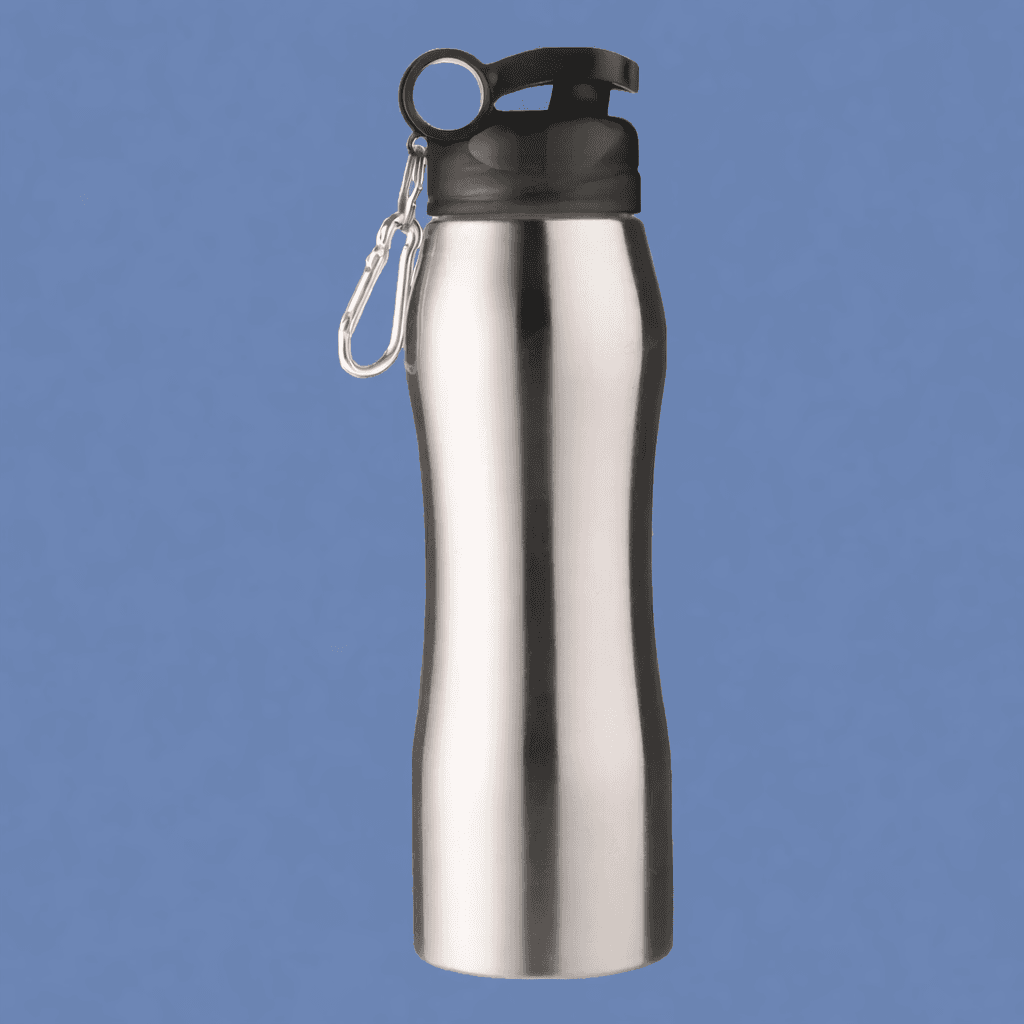
You can compare boxes on our branded gift boxes page and ready-made sets on our corporate gifts page, or browse the full catalogue.
Local warehouse coverage checklist
- Recipient list grouped by country, with the number of people in each
- Countries where the platform delivers from inside the country identified
- Delivery terms confirmed for every other route: delivered duty paid or not
- Importer and any recipient documents confirmed for India and other strict routes
- Restricted items checked against each destination
- Storage, kitting and dispatch charges understood if stock is held
- Plan agreed for parcels refused or returned at customs
- Customs description and value of the goods agreed, not marked as a personal gift
- Digital proof approved before production
Frequently asked questions
Does a UK warehouse help with deliveries to the EU?
No, not for customs. Since the UK left the EU customs union, parcels from the UK to an EU country cross a customs border. A warehouse inside the EU removes that border for recipients in member states; a UK warehouse does not.
Can I avoid duties by marking corporate gifts as gifts?
No. In the UK, the gift allowance applies only to goods bought and sent between individuals, not companies, and many countries take a similar view. Declare the goods with an accurate description and value. General information, not tax advice. Check with your accountant.
Is delivered duty paid as good as a local warehouse?
For the recipient, it can feel the same: nothing to pay at the door. The difference is on your side: the duties are still paid, just by you, and the parcel still passes through customs, so paperwork has to be right.
What should I send if I cannot get local coverage in a country?
Choose items that travel easily, such as notebooks, pens, bottles and clothing, avoid items with batteries or liquids, and ship them delivered duty paid. Where a physical item is not essential, a digital gift card avoids customs completely.
How do I check a platform's coverage claims?
Ask for the list of countries it delivers to from inside the country, then compare it with your recipient list. A coverage map or a count of countries served does not tell you whether a parcel crosses a border on the way.
Plan your international send
Send us your recipient countries, the number of people in each and the items you have in mind, and we will set out the delivery options in the quote. Request a quote or start with the catalogue.