What Certifications Prove a Cashmere Brand Is Fair Trade?
No single label proves fair trade cashmere. What the Good Cashmere Standard, the Sustainable Fibre Alliance, WFTO and Fair Wear each prove, and what they do not.
By Zintora Team
No single certificate proves a cashmere brand is fair trade from goat to jumper. Fibre standards such as the Good Cashmere Standard and the Sustainable Fibre Alliance cover herding, animal welfare and land. Fair trade proof comes from WFTO enterprise certification or a fair trade factory certification, and Fair Wear covers labour due diligence. You usually need two.
Zintora does not sell cashmere. We say that up front so the rest of this article reads as what it is: a guide to the labels, written for buyers who are comparing cashmere suppliers for gifts or uniforms, with a short note at the end on the textiles we do offer.
Why cashmere is hard to certify end to end
Cashmere comes from the soft undercoat of cashmere goats, most of it from herders in Mongolia and northern China. Between the goat and the finished jumper sit combing, collecting, dehairing, spinning, knitting and finishing, often in different companies and countries. Each certification looks at part of that chain:
- At the herd: animal welfare, grazing and grassland health, and herders' working conditions.
- In processing: chemicals, water and worker safety at dehairing and spinning.
- In the factory: wages, hours and safety of the people who knit and sew.
- Across the chain: chain of custody, proving that certified fibre in is certified fibre out.
"Fair trade" is a claim about trading terms and the people in the chain. Animal welfare and grassland standards are not the same thing, even when they include social criteria.
The cashmere fibre standards
The Good Cashmere Standard
The Good Cashmere Standard was developed by the Aid by Trade Foundation. Its site describes it as an independent and voluntary standard for sustainable cashmere, with an initial focus on farms in Inner Mongolia. It aims to improve goat welfare with respect to the Five Domains of Animal Welfare, and it addresses the economic, social and ecological conditions of herders, their families and communities. Regular checks are carried out by independent auditors, and certified producers hold a certificate valid for 12 months.
What it proves: the fibre comes from audited farms meeting animal welfare, environmental and social criteria. What it does not prove on its own: fair trade terms in the garment factory. Products can also contain only a share of certified cashmere, so check the percentage on the label.
The Sustainable Fibre Alliance
The Sustainable Fibre Alliance is a non-profit standard-holding and membership organisation that connects livestock herders with brands and retailers. Its Animal Fibre Standard has five principles: effective management, decent work, biodiversity and land use, animal welfare, and fibre quality improvement. A Clean Fibre Processing Standard covers raw production and primary processing of cashmere in Mongolia and China, and a Chain of Custody Standard follows the fibre along the supply chain.
What it proves: herding and first processing meet SFA criteria, with the fibre traced. What it does not prove: the conditions in the knitting factory, or that the brand trades on fair trade terms.
Responsible animal fibre standards for wool and mohair
Textile Exchange runs the Responsible Wool Standard, the Responsible Mohair Standard and the Responsible Alpaca Standard, with certified companies searchable in its certified company database. Cashmere is not among the standards listed in that search. They matter here because many "cashmere blend" products contain wool, and because a wool standard listed on a cashmere product page covers only the wool.
The fair trade and labour standards
WFTO Guaranteed Fair Trade
The World Fair Trade Organization certifies whole enterprises against the 10 Principles of Fair Trade. Its site says the certification assesses the entirety of a business, not just a specific product, and that Certified Fair Trade Enterprises may use the WFTO label on products sold under their own brand. WFTO also says it is moving from its Guarantee System to a third-party certification scheme. For a small cashmere label that runs its own chain, this is the clearest proof that the business as a whole is a fair trade enterprise.
Fairtrade and fair trade factory certification
Among textiles, the Fairtrade Mark is best known on cotton. If a cashmere product carries a fair trade claim, check on Fairtrade's own pages, or the scheme named on the label, exactly which fibre or stage the mark covers. Some brands instead use a fair trade factory certification, under which the garment factory is certified and a premium is paid to a fund overseen by its workers. That covers the factory, not the herd.
Fair Wear
Fair Wear is a multi-stakeholder initiative. Member brands commit to its Code of Labour Practices, which sets eight labour standards, and Fair Wear publishes a Brand Performance Check scoring each brand's due diligence. It is not a product label and not a fair trade certificate, but its published report is strong evidence about how a brand treats factory workers.
What each label proves at a glance
| Label or scheme | Level | Animal welfare | Herder conditions | Factory labour | Fair trade terms |
|---|---|---|---|---|---|
| Good Cashmere Standard | Farm and fibre | Yes | Yes | No | No |
| Sustainable Fibre Alliance | Herding, processing, chain of custody | Yes | Yes | No | No |
| Responsible Wool or Mohair Standard | Farm and chain (not cashmere) | Yes, for that fibre | Partly | No | No |
| WFTO Certified Fair Trade Enterprise | Whole enterprise | Not the focus | If in its chain | Yes | Yes |
| Fair trade factory certification | Garment factory | No | No | Yes | Premium to factory workers |
| Fair Wear membership | Brand due diligence | No | No | Yes | No |
The pattern is clear: to say a cashmere brand is both responsible at the herd and fair to workers, look for one fibre standard plus one fair trade or labour scheme.
How to check a cashmere brand's claims
- Ask which scheme covers which stage: herd, processing, factory, brand.
- Ask for the certificate numbers and check each one on the scheme's own site.
- Ask what share of the cashmere in the product is certified.
- For "fair trade", ask whether that is WFTO enterprise certification, a fair trade factory certificate, or a word on the label.
- Read the Fair Wear Brand Performance Check if the brand is a member.
Our guide to eco-friendly merchandise certifications covers the wider set of labels.
Buying cashmere as a corporate gift
If you are buying cashmere scarves or jumpers for clients or staff from a specialist, three practical points save trouble later. First, ask whether the product is 100% cashmere or a blend, and what the other fibres are; a blend may carry a different label for each fibre. Second, ask whether the brand can add your logo without affecting the claim: a woven label or embroidery is usually added after the garment is finished, at a different site, so ask where that work happens. Third, if you plan to describe the gift as fair trade in a card or a social post, keep the certificate numbers you checked. The Green Claims Code from the CMA expects claims to be backed by evidence, and once you repeat a claim it becomes yours.
What Zintora offers instead of cashmere
Zintora does not sell cashmere, and we do not hold or claim any cashmere or fair trade certification. The only certificate we name is the GRS of The Tenth House, checked per lot; certificates for other products are available on request.
If you want a warm, premium textile with a logo, these are the options in our range:
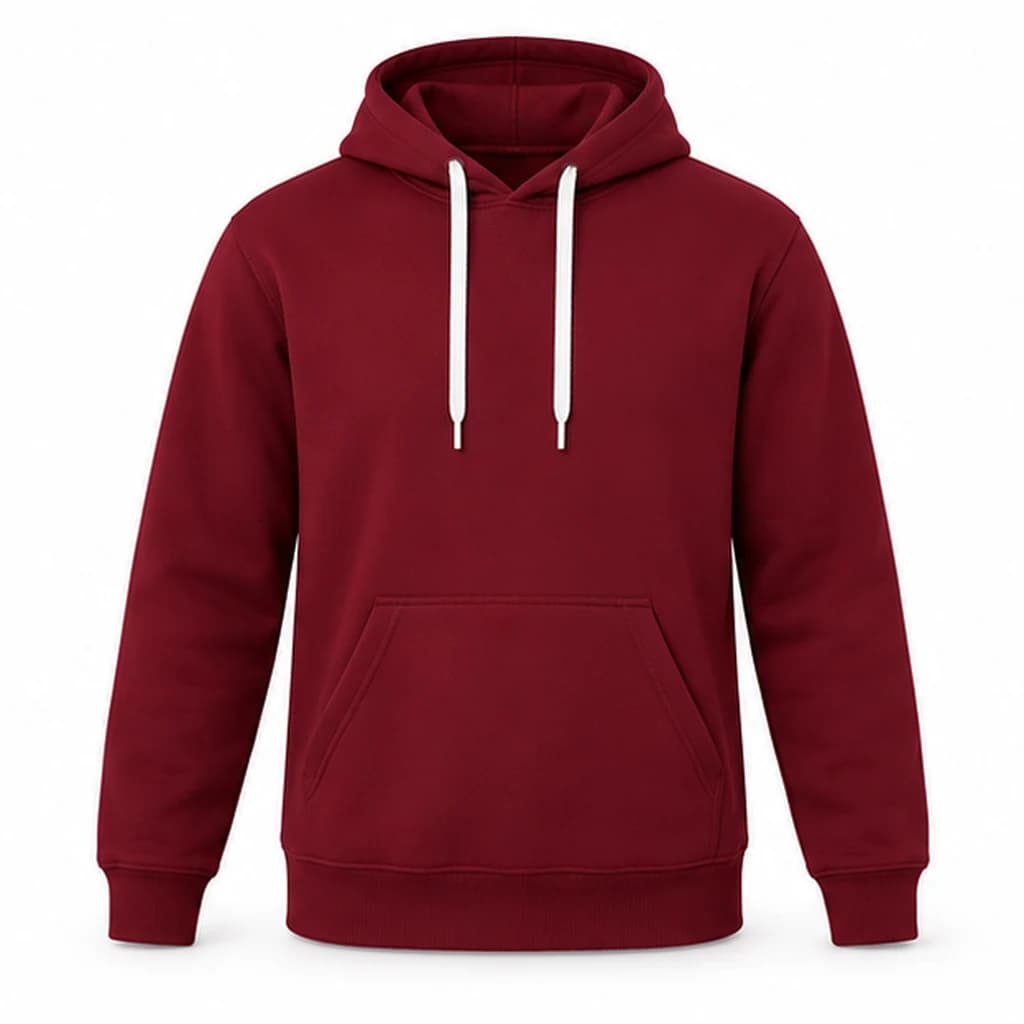
- The Sustainable Hoodie: unisex cut, indicative sizes XS to 5XL. Its product page says the composition and any accreditation are confirmed before production, and we confirm in writing the composition and the certification that applies to the batch. Minimum order 25 units.
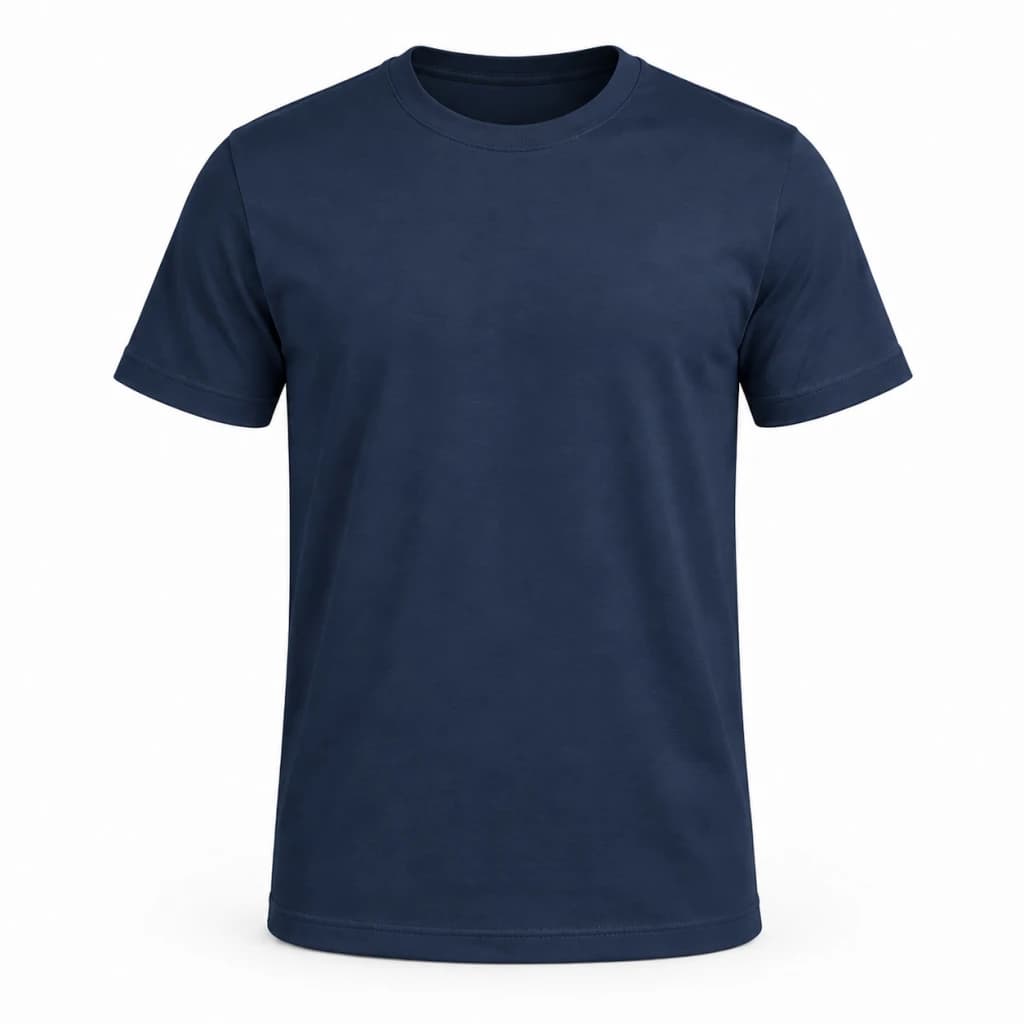
- The Premium Pima T-Shirt: Pima cotton according to the source sheet, a cotton known for its long fibre and soft feel. Minimum order 25 units, mixed across sizes and colours.
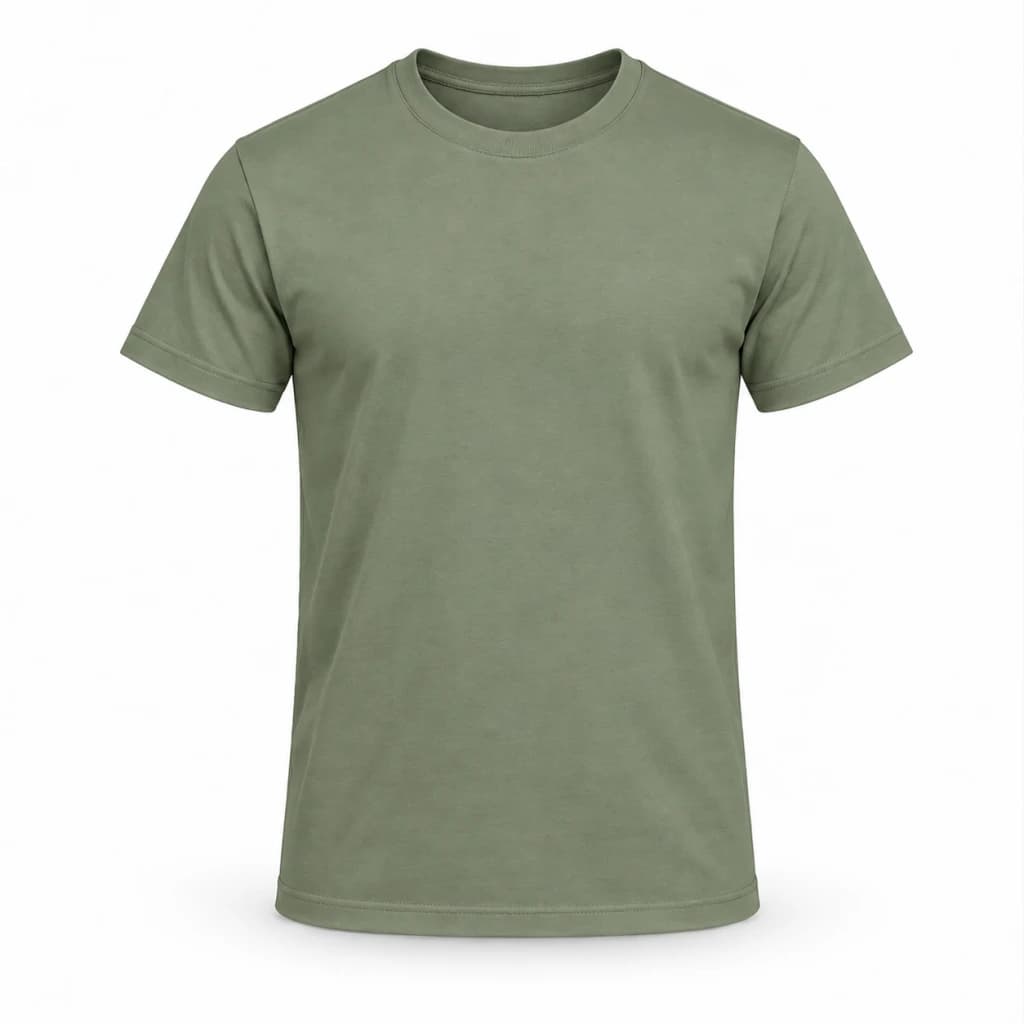
- The Sustainable T-Shirt: the same batch documentation approach as the hoodie, from 25 units.
Browse custom hoodies, custom T-shirts and our sustainable branded merchandise, or the full catalogue. Every quote states an estimated carbon footprint per product, as explained on our sustainability page. Pricing is confirmed in your quote, ex VAT; printing and delivery are extra, UK import VAT and duties are paid on delivery. Production takes 10 to 20 working days after proof approval, confirmed in the quote.
Cashmere fair trade checklist
- Each claim matched to a stage: herd, processing, factory or brand
- Fibre standard identified (Good Cashmere Standard or Sustainable Fibre Alliance)
- Share of certified cashmere in the product confirmed
- Fair trade proof identified: WFTO enterprise or fair trade factory certificate
- Labour due diligence evidence read (Fair Wear Brand Performance Check if a member)
- Certificate numbers checked on each scheme's own website
- Wool or mohair standards in a blend recognised as covering only that fibre
- Your own wording limited to what the documents prove
Frequently asked questions
What certifications prove a cashmere brand is fair trade?
WFTO Certified Fair Trade Enterprise status proves the business as a whole is a fair trade enterprise. A fair trade factory certificate covers the garment factory. Fibre standards such as the Good Cashmere Standard and the Sustainable Fibre Alliance cover the herd, not fair trade terms.
Is the Good Cashmere Standard a fair trade label?
No. It covers goat welfare, herders' conditions and the environment on audited farms. It does not certify fair trade trading terms in the garment chain.
Does the Responsible Wool Standard cover cashmere?
No. It covers sheep's wool. Textile Exchange has separate standards for mohair and alpaca, and cashmere is not among the standards in its certified company search.
Does Zintora sell cashmere?
No. We offer branded textiles such as hoodies and T-shirts, with composition and certificate details in the quote. Request a quote to see what fits your brief.