What Sustainability Certifications Matter for Bags and Backpacks?
GRS, organic cotton, Fairtrade or bluesign? How to match each sustainability certification to the material of bags and backpacks, and what to ask for.
By Zintora Team
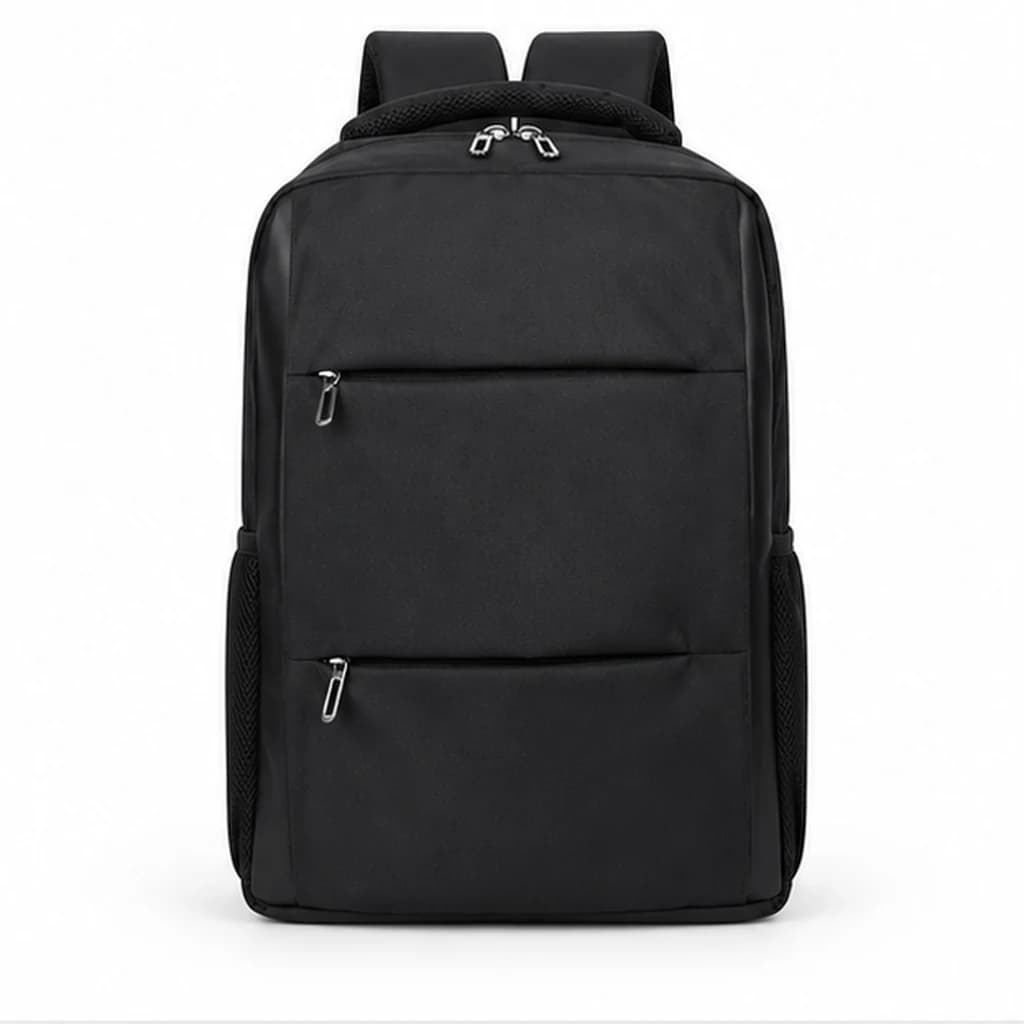
For bags and backpacks, the certification that matters depends on the main material: GRS for recycled polyester or nylon, an organic textile standard for organic cotton totes, Fairtrade for the cotton farmers' terms, and bluesign for the chemistry of technical fabrics. Check that the certificate covers the bag's actual fabric, not just the supplier's name.
Bags are a good test of how certification works, because a single product mixes several materials. A backpack has a shell fabric, a lining, webbing, foam, zips, buckles and thread. A tote has a body fabric, handles, stitching and the print. A label usually covers one material or one stage, so the useful question is never "is this bag certified?" but "which part is certified, under which standard, and does the certificate name this product?".
Start with the material, not the label
Work out what the bag is mostly made of, then pick the standard that fits:
- Recycled polyester or nylon backpacks, duffels and coolers: recycled content standards.
- Cotton, canvas and organic cotton totes: organic fibre and fair trade cotton standards.
- Jute bags: usually no fibre certification; ask for composition and look at durability.
- Technical, coated or water-repellent fabrics: chemical management standards such as bluesign.
The standards, explained one by one
GRS: recycled content with chain of custody
The GRS is the Textile Exchange standard for recycled content. It verifies recycled input along the supply chain, with social, environmental and chemical requirements at certified sites, and is searchable in the Textile Exchange certified company database. Its lighter sister standard, the Recycled Claim Standard, verifies recycled content and chain of custody without the extra social and environmental criteria.
For a recycled polyester backpack, ask for the scope certificate of the company that made or supplied the fabric, the recycled percentage of the shell fabric, and a transaction certificate for your shipment. Our guide to the GRS certificate walks through the documents in detail.
The organic textile standard for organic cotton
For organic cotton totes, the main standard certifies the processing chain of textiles made from organic natural fibre, covering environmental and social criteria. Products labelled "organic" under it must contain at least 95% certified organic fibre, and "made with organic" products at least 70%. For a tote, check which grade applies and that the certificate covers the finished bag, not only the yarn. Textile Exchange's Organic Content Standard is a separate, content-only alternative that tracks organic fibre without the processing criteria.
Fairtrade cotton
The Fairtrade Mark on cotton is about the farmers: the cotton was bought on Fairtrade terms, which include a minimum price and a premium for producer organisations, as set out in the Fairtrade standards. It does not on its own say the cotton was organic or how the bag was dyed. A cotton tote can carry both an organic and a Fairtrade claim if both chains are certified.
bluesign: the chemistry of technical fabrics
bluesign works with brands, chemical suppliers, manufacturers and converters on the chemicals and resources used in textile production. It lists more than 900 system partners, and it states that partnership means a company applies its criteria to products and processes, while products are assessed separately. For a backpack, the question is whether the shell fabric is a bluesign approved material, not whether the brand is a partner.
Fair trade at the factory
Fairtrade on cotton covers the farm. The people who cut and sew the bag are covered by other schemes: a fair trade factory certification, WFTO Certified Fair Trade Enterprise status for the whole business, or membership of Fair Wear, which publishes a Brand Performance Check on labour due diligence. Our article on eco-friendly merchandise certifications compares these schemes side by side.
Which certification fits which bag
| Bag type | Main material | Certification that fits | What to ask for |
|---|---|---|---|
| Recycled tote | Recycled cotton or polyester | GRS or Recycled Claim Standard | Scope certificate, recycled %, transaction certificate |
| Organic cotton tote | Organic cotton | Organic textile standard ("organic" 95% or "made with organic" 70%) | Certificate covering the finished bag, label grade |
| Fair trade cotton tote | Conventional or organic cotton | Fairtrade Mark | Product carrying the Mark, licence details |
| Canvas tote | Cotton canvas | Organic or Fairtrade if offered; otherwise composition | Fabric composition and weight |
| Jute shopper | Jute | Usually none | Composition, construction, intended load |
| Laptop or travel backpack | Polyester or nylon | GRS for recycled shell; bluesign for fabric chemistry | Which fabric is covered, recycled % of the shell |
| Sports or duffel bag | Polyester | GRS if recycled | Recycled %, certificate scope |
The parts the label does not mention
Most bag certificates cover the main fabric. The rest of the bag can be very different:
- Lining and padding: a backpack with a recycled shell may have a virgin polyester lining and foam padding. Ask for the composition of each layer.
- Zips, buckles and webbing: these are usually plastic or metal and rarely certified. They also fail first, so their quality matters for durability.
- Thread: a recycled claim on the fabric says nothing about the sewing thread.
- The print or embroidery: the logo is added after the bag is made, often at a different site. Ask which inks are used and whether the decoration site is inside the certificate scope if your claim depends on it.
When you describe the bag in your own communications, be precise. "Shell made from recycled polyester, GRS certified" is a claim you can back up. "Recycled backpack" suggests the whole product and may not be true. The CMA's Green Claims Code asks for claims that are accurate, clear and do not leave out important information.
Durability: the claim that needs no certificate
A bag that is carried for years does more for its footprint than a certified bag that is used twice. When you compare options, look at fabric weight, stitching at stress points, handle length and the stated load. A sturdy canvas tote with a 5 kg indicative load used every week can beat a lighter bag with a better label.
Bags and backpacks in our range
Zintora is a quote-only B2B supplier. These bags are in our catalogue, with what their product pages state:
- Sustainable Tote Bag: recycled fabric as stated by the supplier, indicative load of 10 kg, documentation per batch. Minimum 25 units.
- Premium Canvas Tote Bag: canvas with long handles, indicative load of 5 kg. Minimum 25 units.
- Jute Tote Bag: jute with a structured base, about 41 x 29.5 x 31 cm, composition confirmed in the quote. Minimum 25 units.
- Urban Backpack: polyester, several pockets, indicative load of 10 kg. Minimum 25 units.
- Laptop Backpack with Organiser and Travel Laptop Backpack: polyester backpacks with padded laptop space; quantity and branding are confirmed in the quote.
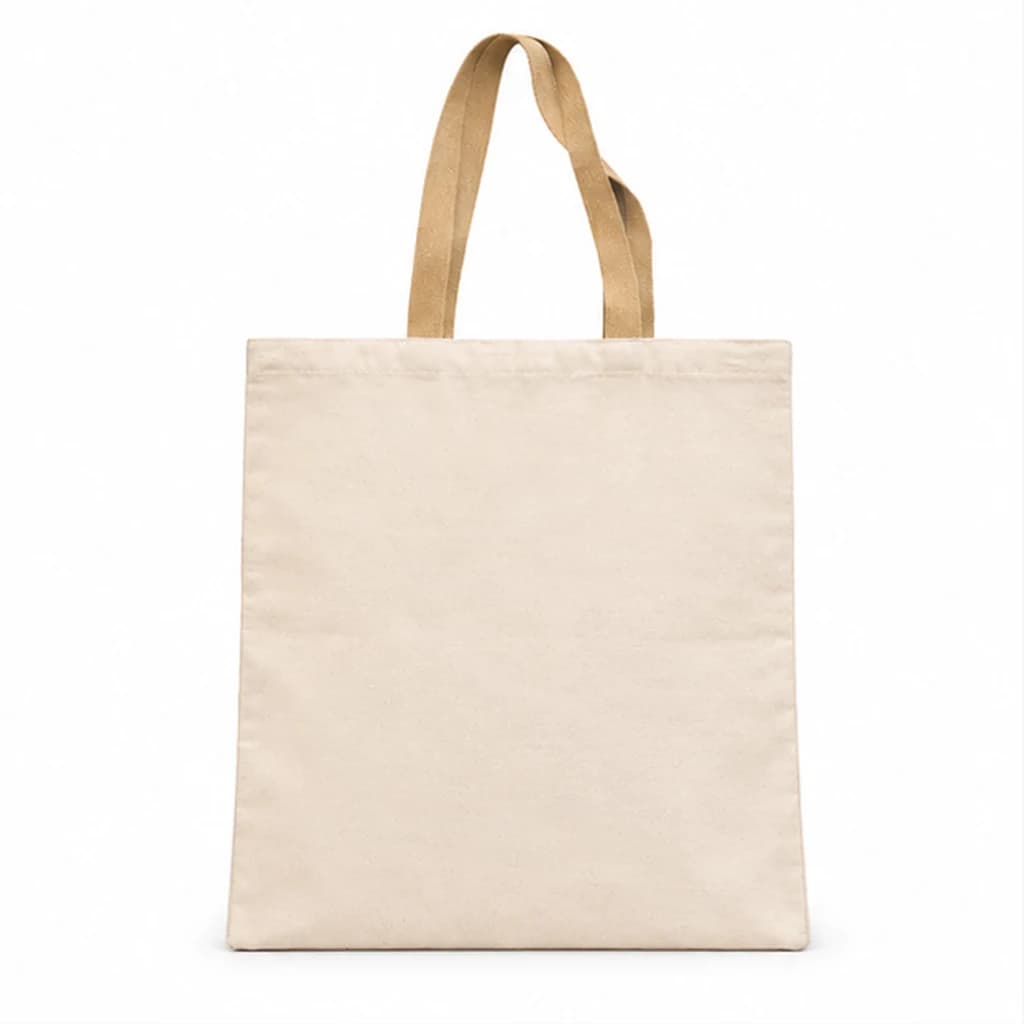
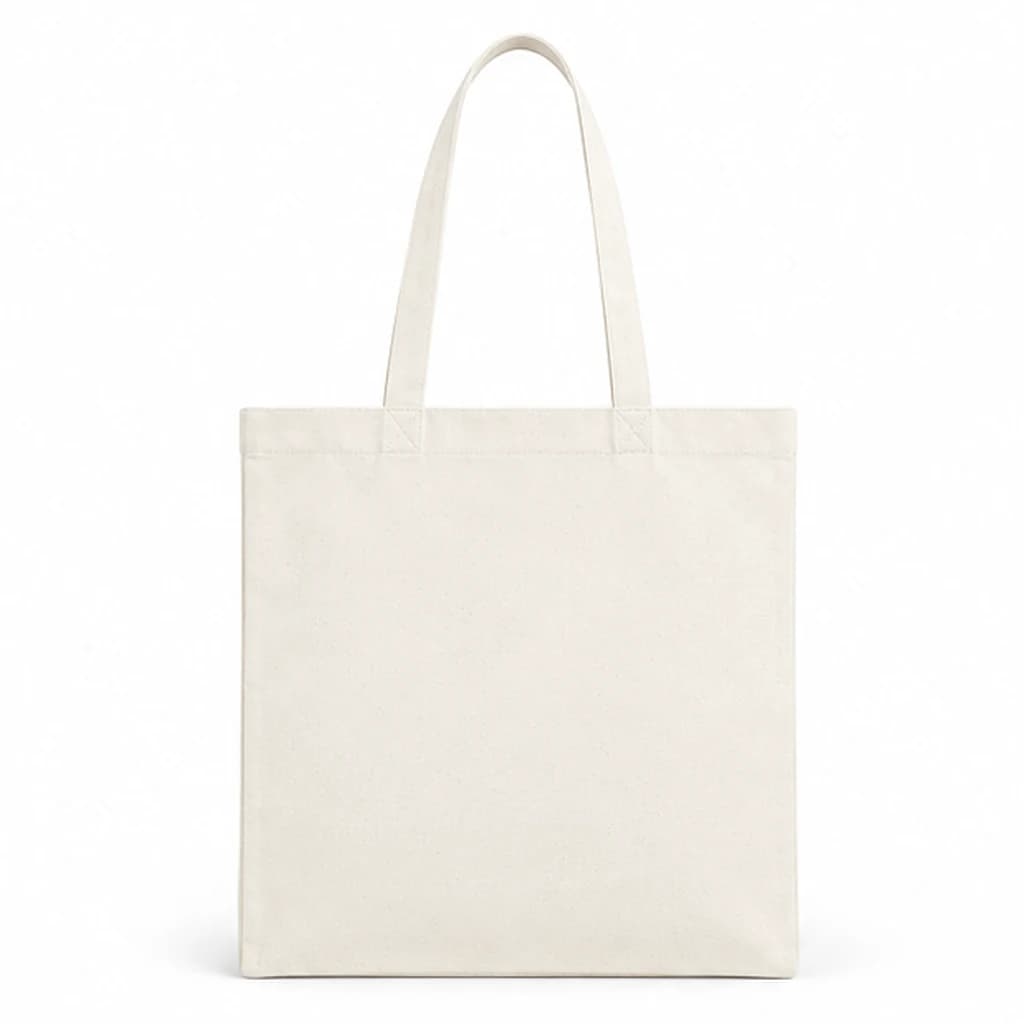
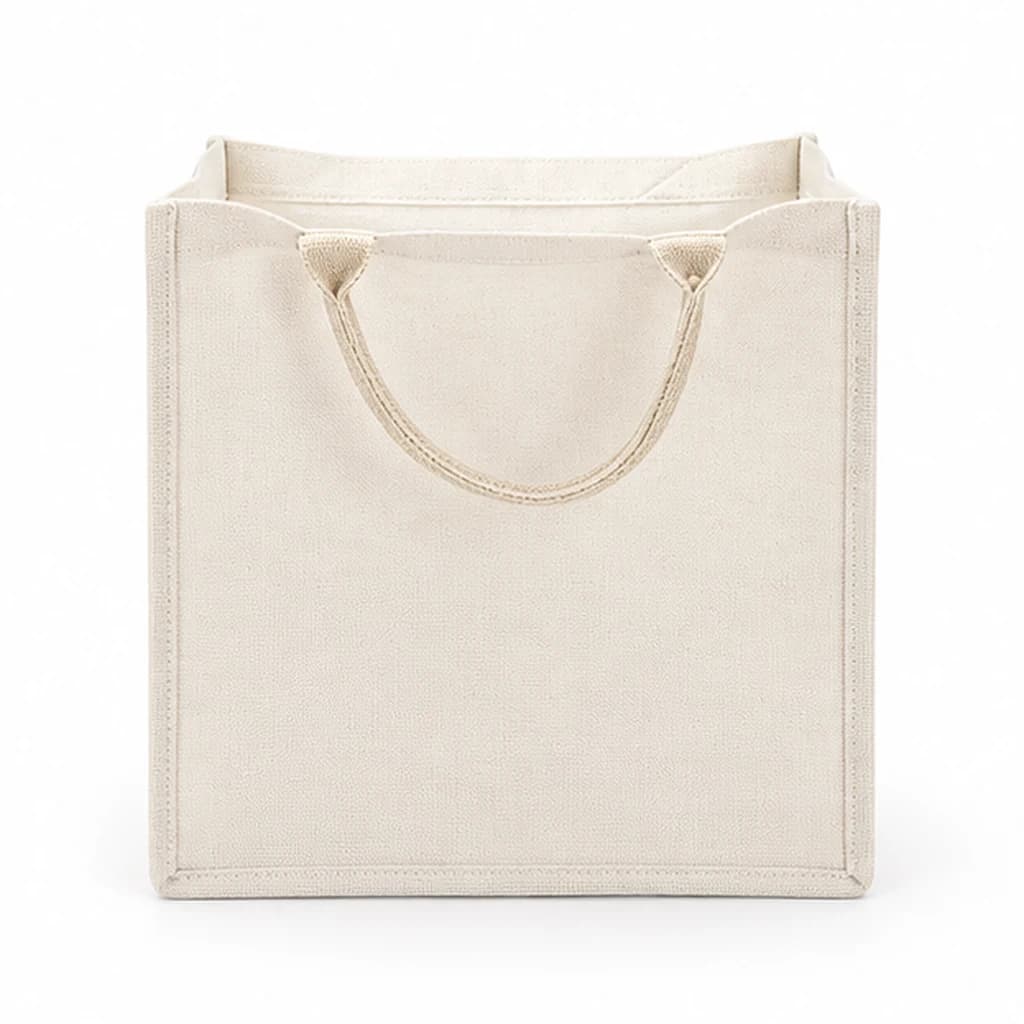
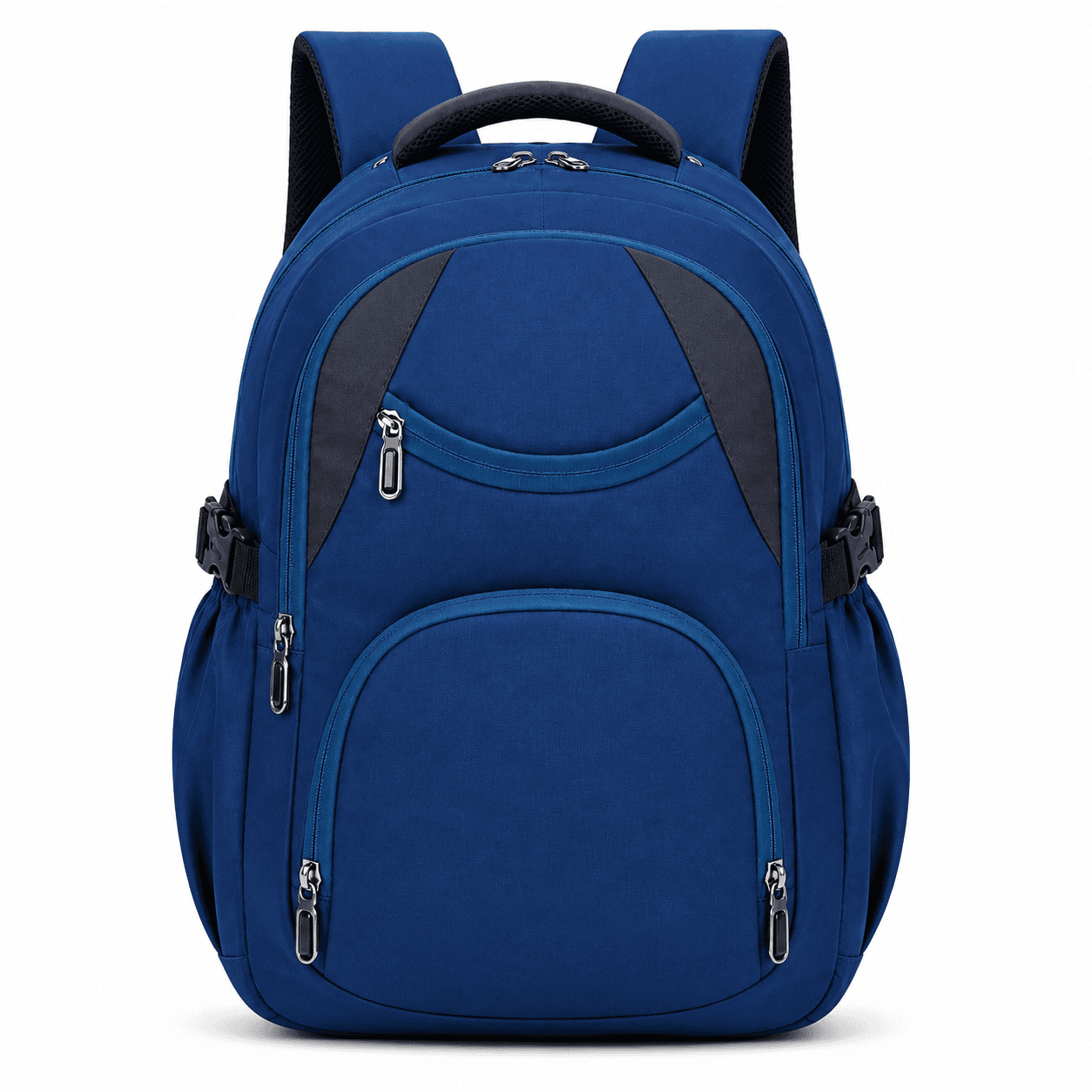
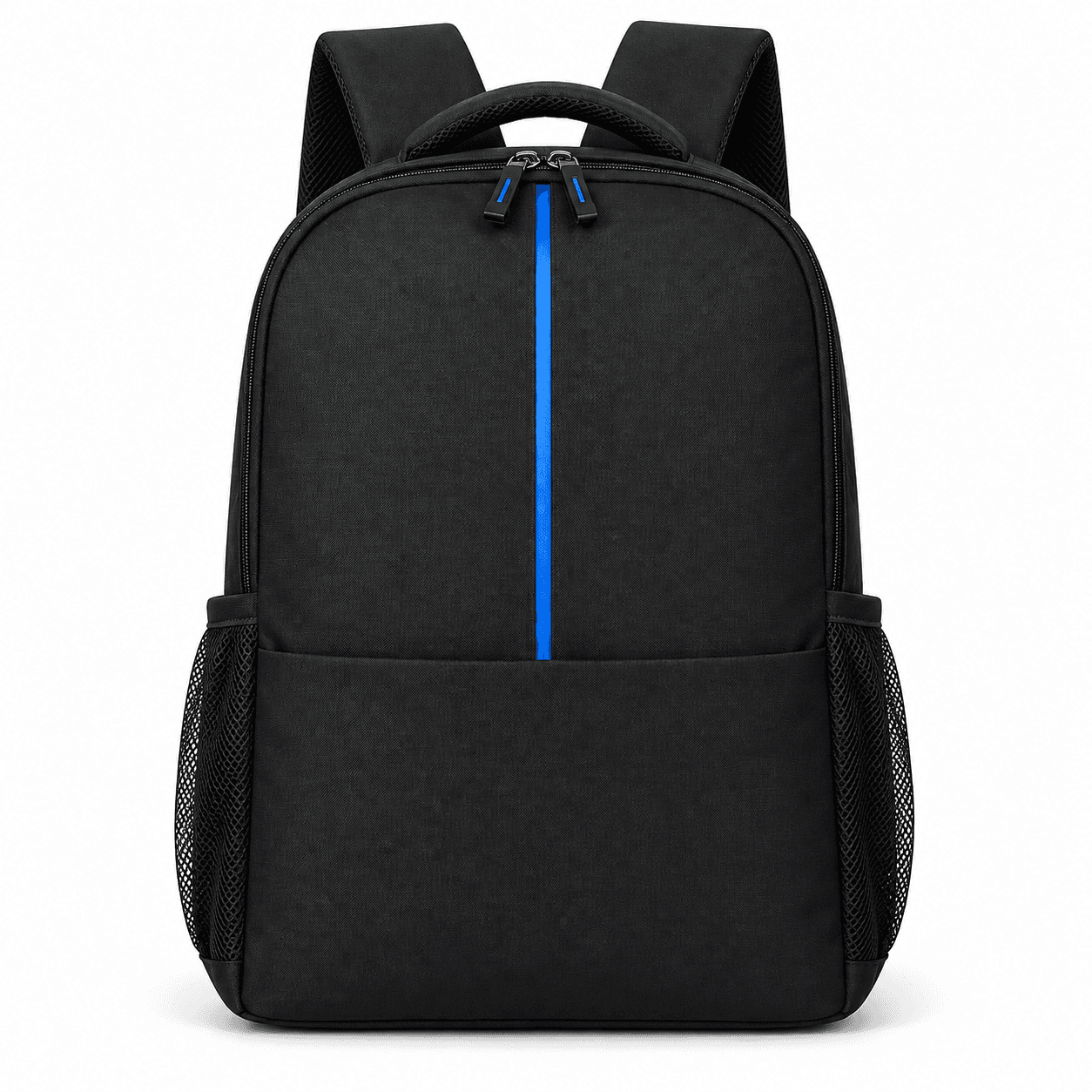
The only certificate we name is the GRS of The Tenth House, checked per lot; certificates for other products are available on request. If your brief requires a specific standard for a bag, say so in your request and we confirm in the quote which items are covered and which are not.
See more on our printed tote bags, branded backpacks and sustainable branded merchandise pages, or browse the catalogue. Every quote states an estimated carbon footprint per product, as set out on our sustainability page. Pricing is confirmed in your quote, ex VAT; printing and delivery are extra, UK import VAT and duties are paid on delivery. Production takes 10 to 20 working days after proof approval, confirmed in the quote. You approve a digital proof first. Zintora delivers across the UK and internationally to Europe, the Middle East and Africa, Asia-Pacific and the Americas, to the office or to each person's home.
Bag certification checklist
- Main material of the bag identified (shell or body fabric)
- Matching standard chosen for that material
- Certificate number checked on the standard owner's site
- Certificate scope covers the finished product, not only the yarn or the brand
- Recycled or organic percentage stated for the main fabric
- Label grade confirmed for organic cotton ("organic" or "made with organic")
- Factory labour evidence asked for separately from fibre claims
- Durability checked: fabric, stitching, stated load
- Transaction certificate or batch documents requested for your order
Frequently asked questions
What sustainability certifications matter for bags and backpacks?
The one that matches the bag's main material: GRS or the Recycled Claim Standard for recycled polyester and nylon, an organic textile standard for organic cotton, Fairtrade for the cotton farmers' terms, and bluesign for the chemistry of technical fabrics. Labour in the factory needs its own evidence.
Does a bluesign partner logo mean the backpack is certified?
No. bluesign says partnership means applying its criteria, and products are assessed separately. Ask whether the shell fabric is a bluesign approved material.
Do I need a transaction certificate for recycled backpacks?
If you plan to report the recycled content or state it publicly, yes. The scope certificate shows the supplier can make certified goods; the transaction certificate links certified material to your specific shipment. Ask for it when you order, because it is issued for that delivery.
Is a jute bag certified?
Usually not. Ask for the composition and judge it on construction and how long it will be used.
Can one tote be both organic and Fairtrade?
Yes, if both the organic processing chain and the Fairtrade cotton are certified. Each claim needs its own evidence.
Can Zintora tell me which bags are certified?
Yes. Request a quote with your requirements and we state per item what is documented and what is not.