How to Customise T-Shirts for Your Business: Screen Printing, DTG or Embroidery
How to customise T-shirts for your business step by step: fabric and weight, screen printing, DTG or embroidery by design, logo position and what to ask before approving the order.
By Zintora Team
To customise T-shirts for your business you need to decide three things, in this order: the model and fabric, the branding technique (screen printing, DTG printing, embroidery, transfer, textile vinyl or sublimation) and the position and size of the logo. The technique depends on the design, the fabric and the quantity, and each model states on its product page the ones it supports.
A T-shirt that loses its shape in the first few washes, a print that cracks or a colour that does not match your brand cannot be seen in a catalogue. They show up once the order has already been handed out.
This guide explains how to choose each piece: the fabric and weight, which technique suits each design, what makes an order more expensive and what to ask before approving it. If you already know what you are looking for, compare models and minimums on our custom T-shirts page.
Step 1: choose the fabric and weight
Fabric weight is the weight of the cloth expressed in grams per square metre (g/m²). It is one of the figures that says most about the body and drape of a T-shirt, and one of those that appears least often in quotes.
Weight: fabric weight in g/m². The higher the weight, the thicker the fabric and the more body it has.
| Weight | Feel | Ideal for |
|---|---|---|
| 150 to 180 g | Light, can be see-through | Events, races and hot days |
| 180 to 220 g | Standard | Daily use, general team wear |
| 220 to 280 g | Premium, structured | Onboarding, client gifts |
| 280 g+ | Heavyweight | Brand collections |
For a T-shirt the team will wear often, a medium or high weight usually gives a better result than the lightest. In our catalogue, each model's product page states the weight when the supplier provides it: for example, the Core Cotton Tee is 180 g/m² and the Oversized Heavyweight Tee is 240 g/m².
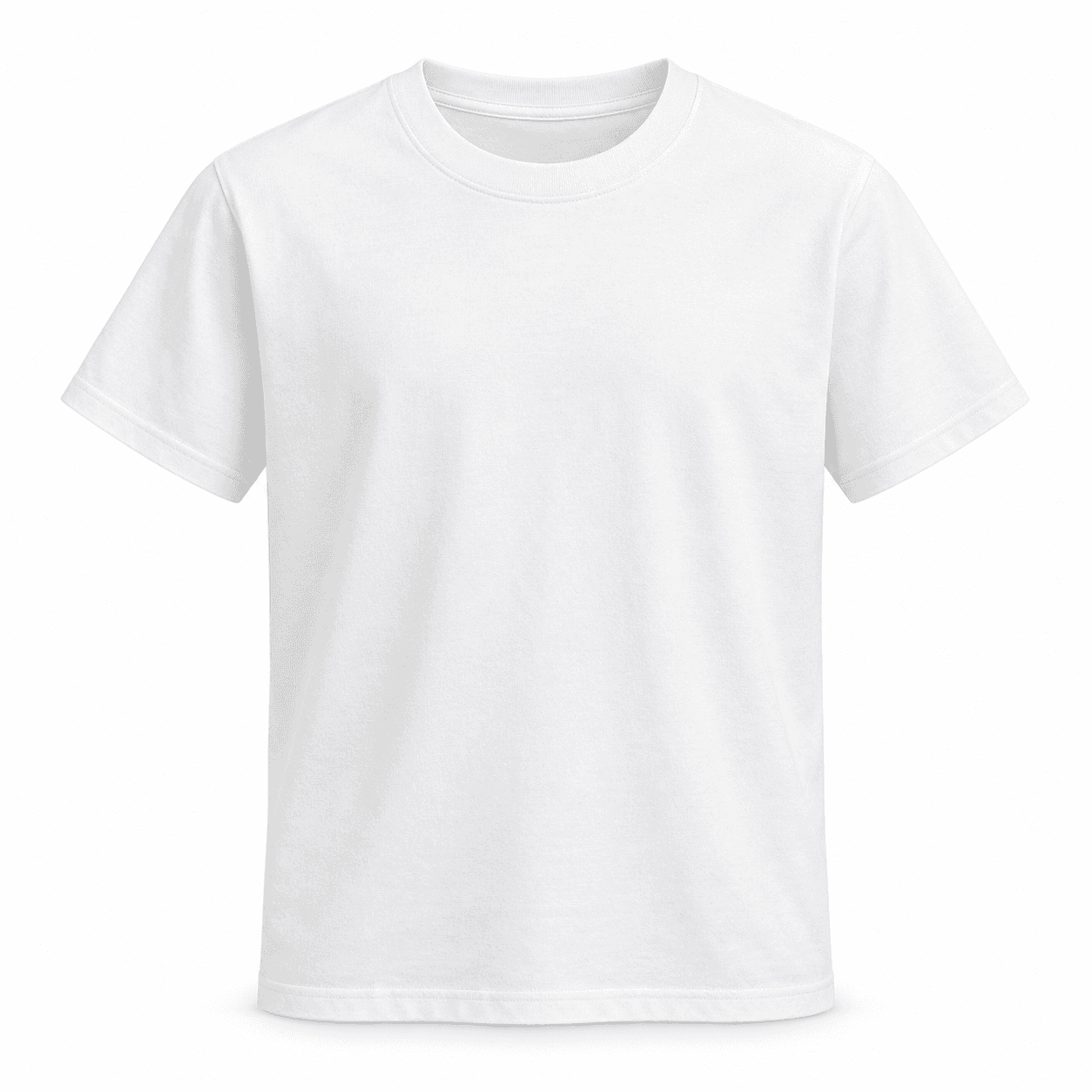
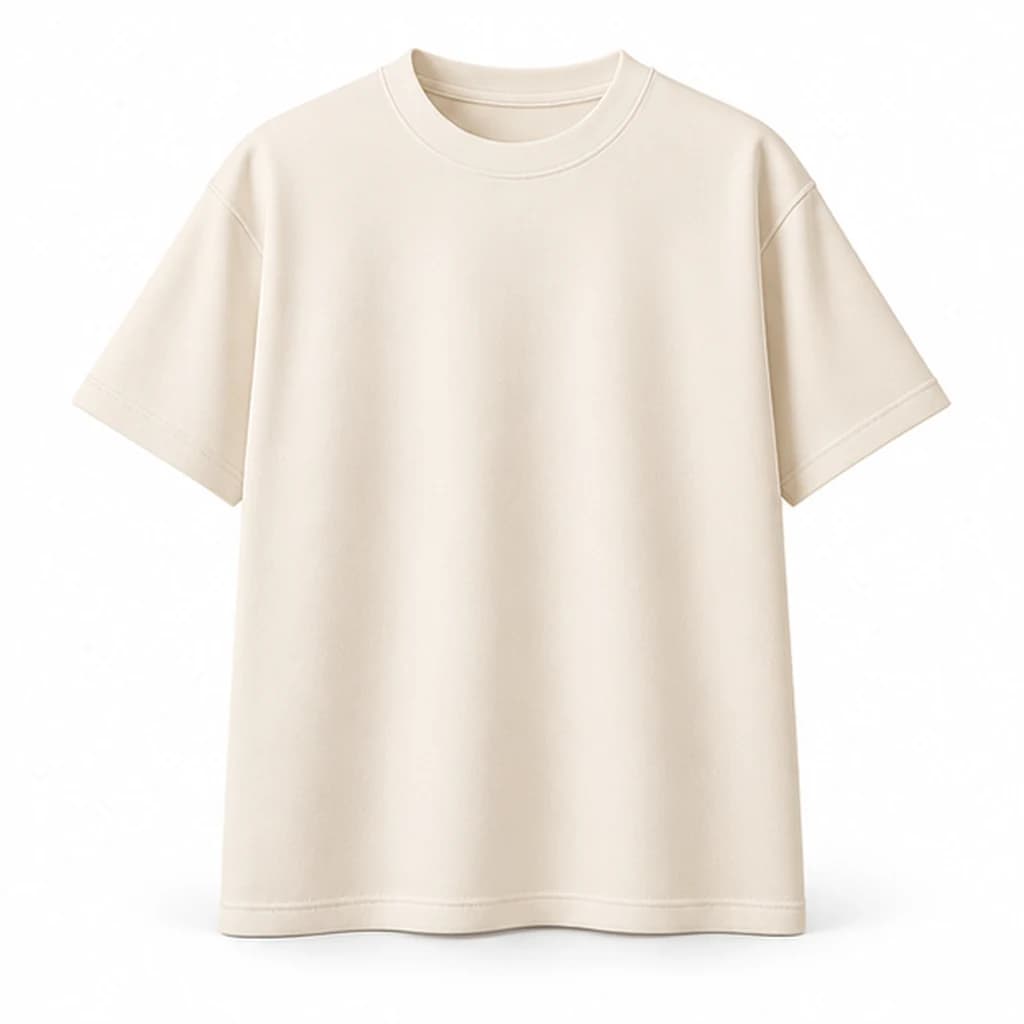
The fabric also determines the technique: cotton takes screen printing, DTG printing and embroidery well, while sublimation needs a suitable synthetic fabric, such as that of the Lightweight Tee.
Organic versus conventional cotton: what you need to know for ESG
If your company has sustainability commitments or an ESG policy, or you simply want to document the impact of your purchases, the choice of fabric matters beyond the feel.
GOTS (Global Organic Textile Standard) is the reference standard for textiles made from organic fibres. It certifies that the cotton was grown without synthetic pesticides and that working conditions across the whole production chain, from the field to the making-up, meet audited social criteria.
The difference from conventional cotton is not only environmental. For corporate buyers, what matters is that GOTS generates verifiable documentation: a certificate with a file number that you can attach to your sustainability reports or give to your responsible procurement department.
Our main yarn supplier, The Tenth House, holds GRS 4.0 certification (certificate number J22647-G06-2022-003370, issued by Optiknit Textil Technológia). The certificate belongs to the supplier, and we can send the document to anyone who asks.
Always ask for the certificate that applies to the batch before you describe a T-shirt as organic or recycled. The quote also includes the estimated carbon footprint of each product.
Step 2: screen printing, DTG or embroidery, which technique to choose
The personalisation technique affects the visual result, the durability of the branding and the cost per unit. The right choice depends on the design (number of colours, gradients, detail), the fabric and the quantity.
| Technique | Ideal for | Things to bear in mind |
|---|---|---|
| Screen printing | Logos with a few flat colours, medium and large runs, backs | Each colour is a screen; it does not reproduce gradients or photographs well |
| Water-based screen printing | Soft-feel prints on cotton | Colours and size are checked in the digital proof |
| DTG printing | Full-colour designs, gradients or photographs, short runs | The result depends on the fabric and the colour of the garment |
| Embroidery | Small logo on the chest or sleeve, polos and uniforms | Very fine text may need simplifying |
| Transfer | Colour logos of a contained size | Printed on a carrier and fixed with heat and pressure |
| Textile vinyl | Names, numbers or logos in one or two colours | Cut and applied with heat |
| Sublimation | Full-colour designs on technical fabrics | Requires a suitable synthetic fabric |
Screen printing is the most economical technique in volume. Preparing the screens is a fixed cost per colour, so it spreads better the larger the run. It does not work well for designs with many colours or gradients.
DTG printing prints directly onto the fabric, without screens. It is the option for complex designs or when the volume is low, and it gives a better result on cotton garments.
Embroidery gives the result with the highest perceived quality. An embroidered logo on the chest is the standard in sectors where presentation matters (banking, legal, hospitality) and on uniform polos. It is the technique with the highest cost per unit, but the relief and the durability make up for it when the garment is worn every day.
Transfer, vinyl and sublimation cover specific cases: small colour logos, individual names and numbers, or full-colour designs on technical T-shirts.
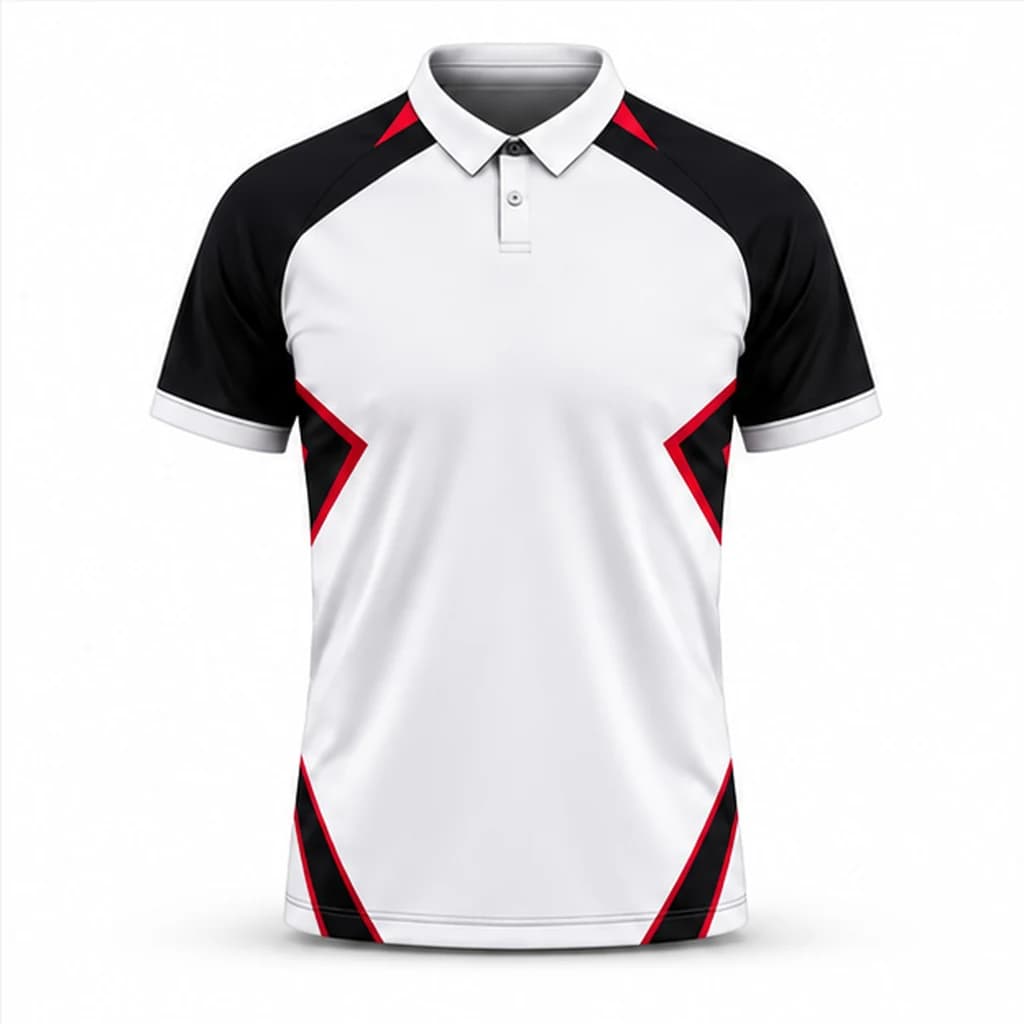
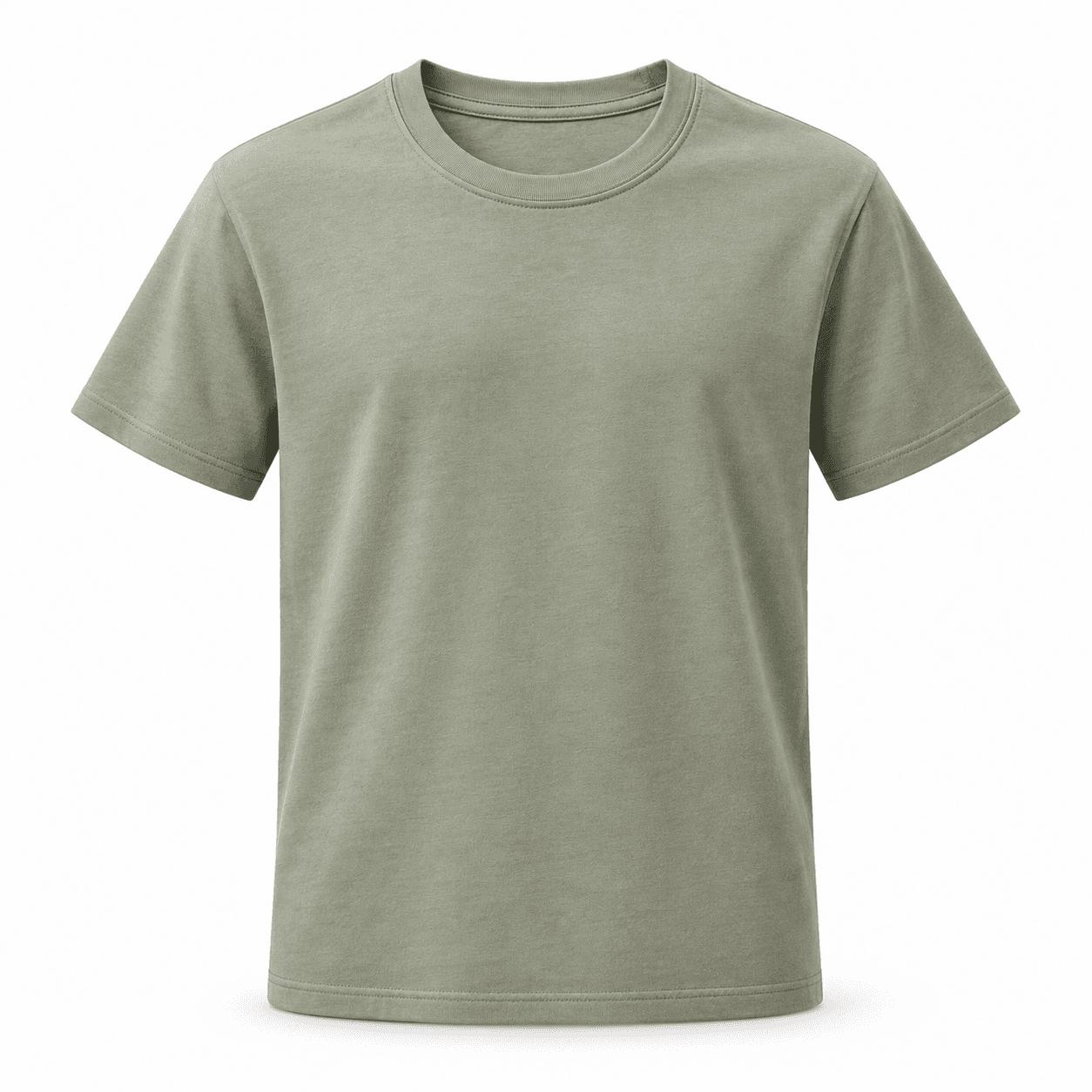
What each model in our catalogue offers: most cotton T-shirts and polos take screen printing, DTG printing and embroidery; the Lightweight Tee is personalised with sublimation or transfer; the Verde Organic Tee, with water-based screen printing or embroidery; and the Polo, with embroidery, screen printing or textile vinyl. Each product page shows the available techniques.
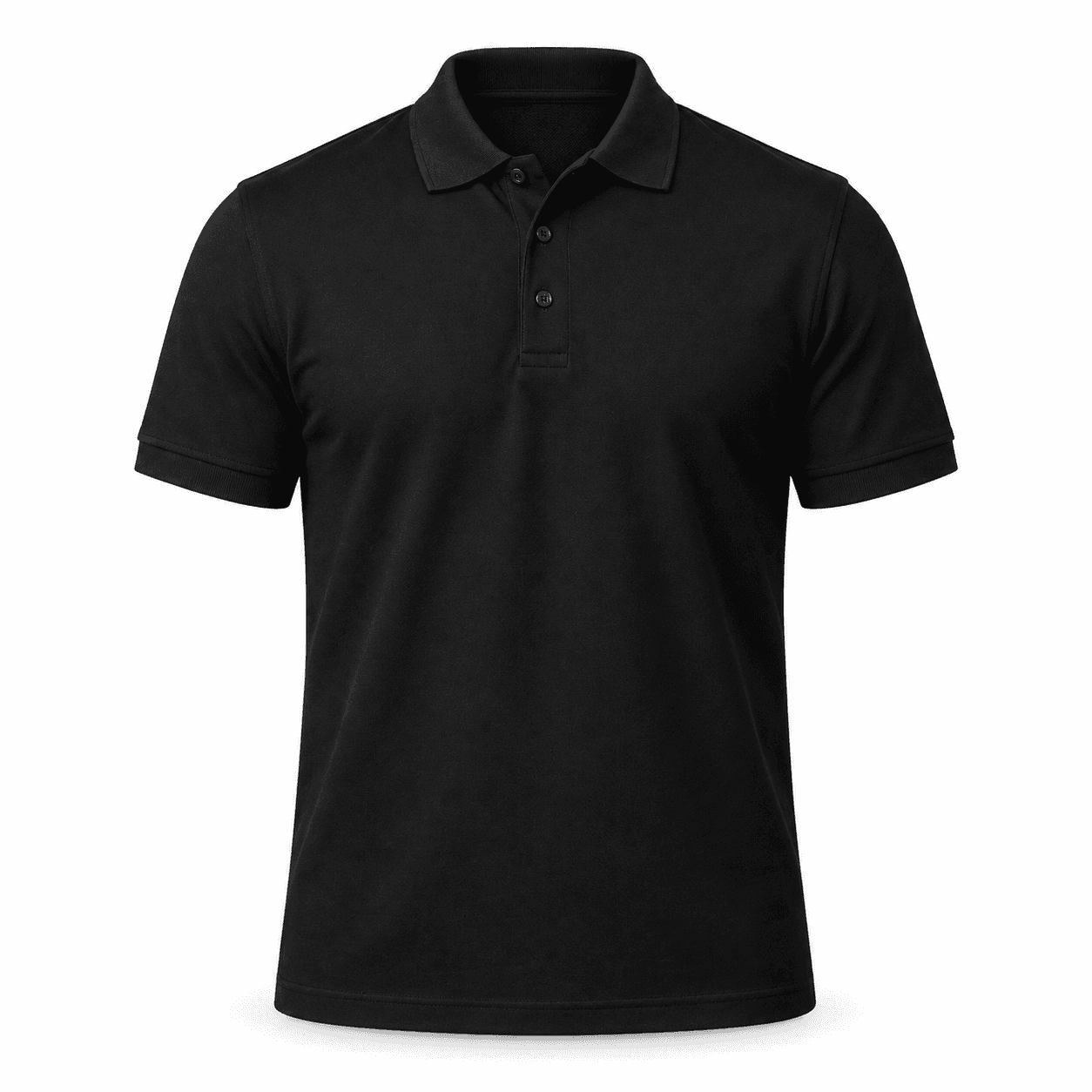
Step 3: position, size and colours of the logo
- Left chest: the most common position for a small logo, embroidered or printed.
- Back: for large logos, slogans or the name of an event; screen printing is the natural option.
- Sleeve: a secondary detail, such as a website or a second logo.
Each position is quoted separately, and in screen printing each colour adds a screen. Send the logo as a vector file (PDF, SVG or EPS) or as a high-resolution PNG with a transparent background, and state your brand colours: the digital proof shows the placement, size and colours before production.
What makes an order of custom T-shirts more expensive
The price that appears on many websites is for the garment without personalisation. What you pay in the end depends on several factors that are worth seeing itemised in the quote:
| Factor | How it affects the price |
|---|---|
| Model and fabric | The weight and composition set the starting price of the garment |
| Technique | Screen printing, embroidery, DTG printing, transfer or vinyl have different set-up costs |
| Number of colours | In screen printing each colour is a screen; in embroidery the size of the logo weighs more |
| Positions | Chest, back and sleeve are quoted separately |
| Quantity | The set-up is spread over more units the larger the run |
| Packaging and delivery | A single address or shipments to each person change the transport |
On small orders, the set-up weighs more in the cost per unit; on large orders it is diluted. The question to always ask: "What is the total cost per unit delivered, everything included?" If the supplier cannot answer it in the quote, ask for it in writing before you confirm.
At Zintora the minimum order depends on each product (each product page states it) and the quote itemises the personalisation, packaging and delivery. No surprises on the final invoice.
6 questions to ask any supplier before you confirm
These questions separate serious suppliers from those that only have a good website.
1. Will I see a proof before production? Ask for a digital proof with the placement, size and colours of the logo, and ask whether the model allows a physical sample. Approving hundreds of units without seeing anything is a red flag.
2. What is the exact weight of the fabric? A serious supplier knows the weight of its products. If they do not know it or answer with a wide range ("between 180 and 220 g"), ask for the exact figure for the model you are going to order.
3. Does the quote include personalisation, packaging and delivery? Ask for the total price per unit delivered, not just the price of the garment. On small orders the difference is big.
4. What certifications do your fabrics have? (GOTS, GRS, OEKO-TEX) If they have certifications, they can send you the document. If they cannot, the sustainability claims are just marketing.
5. What is the real production lead time for my volume? Ask for the realistic lead time, not the theoretical minimum. Ask when it starts counting (from proof approval, not from the order) and ask for the date confirmed in writing.
6. How do you handle production errors? Ask what happens if the logo comes out off-centre or the colour does not match the one agreed. A serious supplier has a clear policy before you ask.
Production lead times
For any order with a fixed date (an event, new employees starting, a campaign), plan backwards from the date you need the T-shirts. At Zintora, standard production is 10 to 20 working days after you approve the proof; if the model's product page states its own lead time, that one applies. The quote confirms the lead time for your order, and transport to each address is added to production.
Rule of thumb: allow a margin to review the proof, adjust the artwork and gather the team's sizes before you approve. Those extra days are what stop you missing the deadline.
Checklist before you confirm your order
Before you give the go-ahead to any order of corporate T-shirts, check that you can tick all of these points:
- Digital proof approved with the position, size and colours of the logo
- Branding technique chosen and available for the model
- Weight and composition confirmed in writing
- Logo file supplied in a vector format (PDF, SVG or EPS)
- Quote that includes personalisation, packaging and delivery
- Split of sizes and colours finalised
- Delivery date agreed in writing with a margin on your real deadline
- Policy in case of a production defect clarified
- Batch certificates requested (GOTS, GRS, OEKO-TEX as appropriate)
If you cannot tick them all, you have outstanding questions for your supplier. With Zintora, they all have an answer before you confirm anything.
Frequently asked questions
What is the best technique for customising company T-shirts? It depends on the design and the quantity. Screen printing for a logo with few colours repeated across many units or on the back; embroidery for a small, durable logo on the chest, especially on polos; DTG printing for full-colour designs or gradients in short runs.
What is the minimum number of T-shirts I need to order? There is no single minimum: it depends on the model and the technique. At Zintora each product page states the model's minimum, and the units can be split across sizes; for one or a few units, see print on demand.
Can I order different sizes within the same order? Yes. In an order of 30 T-shirts you can ask for 5 XS, 8 S, 10 M, 5 L and 2 XL. The total of sizes counts towards the model's minimum, and the quote records each combination of size and colour.
How long will my order take to arrive? Standard production is 10 to 20 working days after proof approval, and transport is added on top. The quote confirms the timing for your order and destination.
Do I need a special file for my logo? The ideal format is vector: PDF, SVG or EPS with fonts converted to outlines. A high-resolution PNG with a transparent background can also work, especially for DTG printing or transfer. If you only have a screenshot, say so in the quote request and we will tell you which file we need.
What is the difference between screen printing and DTG for corporate T-shirts? Screen printing: screen preparation per colour, a low cost per unit in volume, limited colours, ideal for simple logos. DTG: no screens, a higher but steady cost per unit, no limit on colours, ideal for complex designs or small quantities. For most corporate logos of 1 to 3 colours in medium or large runs, screen printing is more economical.
And DTF? DTF (printing on a film that is transferred to the garment with heat) is another full-colour transfer technique. The available techniques depend on the model: check its product page or state the one you prefer in the quote request.
If you have got this far, you have what you need to choose well. If you are also equipping new starters, our guide to the employee welcome pack details what to put in it, and the custom hoodies guide completes the clothing range. You can also browse the catalogue.
The next step is simple: tell us what you need and we will prepare a quote with exact prices, a digital proof with your logo and a delivery plan, at no cost and with no commitment to order.