Eco-Friendly Promotional Products: How to Choose and What to Ask For in 2026
Eco-friendly promotional products: the criteria that matter, the evidence to ask your supplier for and the environmental claims to avoid or to handle with care.
By Zintora Team
"Eco-friendly promotional products": the phrase is everywhere, and on its own it proves nothing. For a company with a sustainability policy, the right question is not "is this item eco-friendly?" but "what can I document about this item?"
This guide helps you choose more responsible promotional products, ask for the right evidence and avoid environmental claims that you cannot back up.
Handle environmental claims with care
Whatever the product, the same principle applies to anything you print on it, on its packaging or in your communications about it:
- Generic wording proves nothing. Words such as "eco-friendly", "green" or "planet-friendly" are vague, and a reader cannot check them. Claims about environmental benefits should be accurate, specific and backed by evidence. In Great Britain, the Competition and Markets Authority's Green Claims Code is the reference to review with your legal team before you publish a claim.
- Say what you can document. Prefer precise, verifiable statements ("certified organic cotton, certificate no. ...", "estimated carbon footprint of X kg CO2e") to general adjectives.
- Avoid "carbon neutral" claims. A product is not carbon neutral because a supplier says so. Ask whether any offsetting is used and on what basis; at Zintora we do not sell offsetting and we make no carbon neutrality claims.
The practical consequence is simple: if you cannot point to a document, do not print the claim.
The criteria that really count
1. Use and lifespan
An item that is used for a long time avoids repeat purchases; a gadget thrown away after a week has served no purpose, whatever its material. Start from the real use of your audience: office, travel, trade show, remote working.
2. A documented material
"Recycled" or "organic" are only worth something if they are proven. Ask for:
- the exact composition of the chosen reference and variant;
- the corresponding certificate (for example GRS for recycled content, GOTS for organic cotton), its holder and its validity;
- proof that the certificate covers the batch delivered.
To understand these labels, read our guide on how to verify sustainable branded merchandise.
3. The carbon footprint per product
An estimate of the carbon footprint per product lets you compare two options and feed your own reporting. Ask for the method and the scope used: manufacture, branding, packaging, transport.
4. Branding and packaging
A discreet, well-made logo makes the item easier to keep. For packaging, ask for its composition if you have requirements on materials.
5. Transport
Group deliveries where possible and plan ahead: an order prepared in time avoids urgent shipments.
Promotional products and ESG reporting
Promotional products fall under purchased goods, that is, Scope 3 of your emissions inventory. If your company publishes a sustainability report, your merchandise purchases should be able to be documented. Our guide to sustainable employee welcome kits goes through the documents worth keeping and the questions an auditor may ask.
What Zintora can provide
- The estimated carbon footprint of each product, in the quote.
- A sustainability report for your order, with the data useful for your Scope 3 reporting.
- The certificates of certified products, on request. For example, the GRS certificate of our yarn supplier The Tenth House, shown on our quality and certifications page. That certificate belongs to the supplier, not to Zintora, and we check that it covers the batch concerned.
- No offsetting with carbon credits, and therefore no "carbon neutral" claim.
A few items to look at in the catalogue
Each product page shows the current minimum. For each one, ask for the composition and the documents for the chosen variant before you communicate about its material.
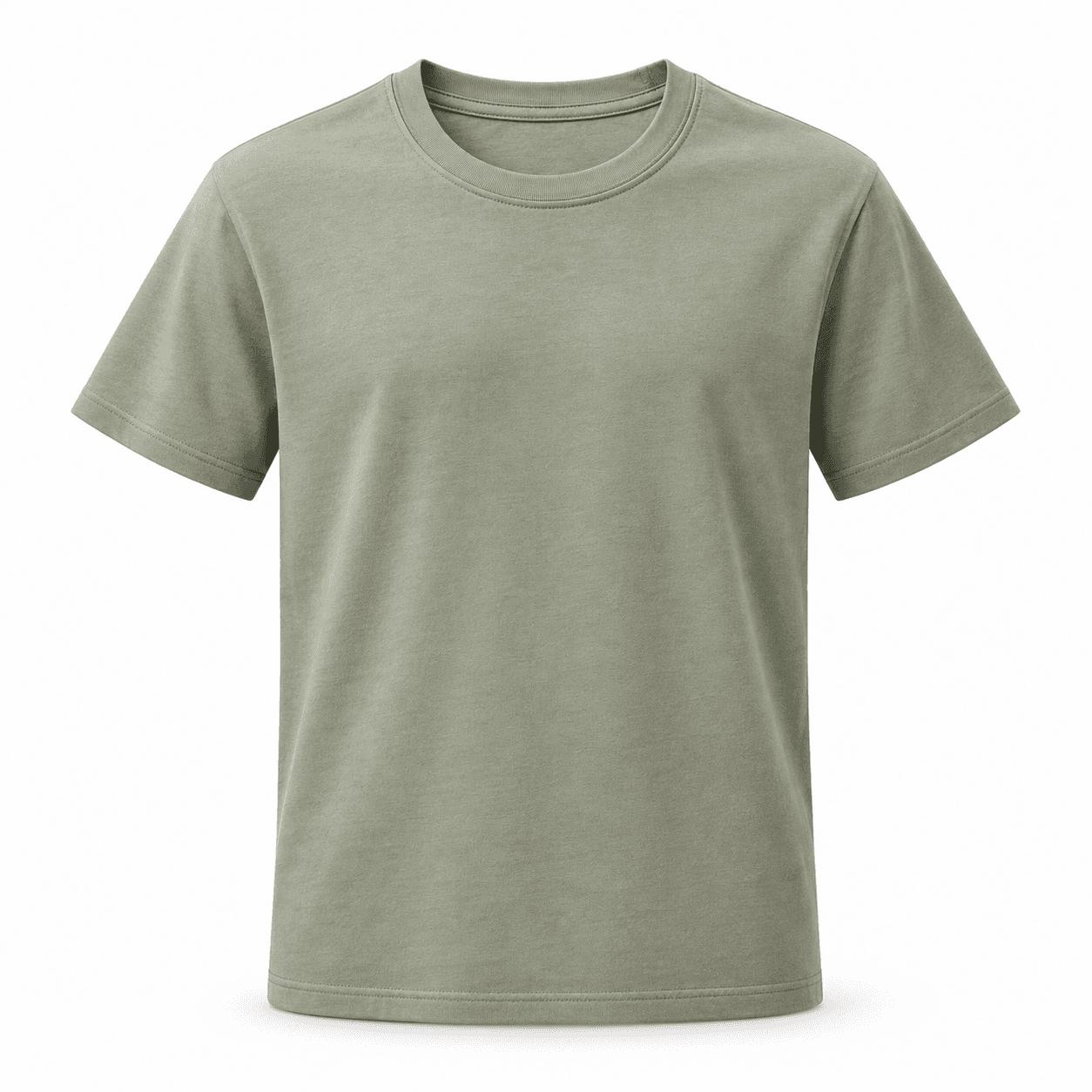
- Verde Organic Cotton T-Shirt: ask for the certificate that applies to the batch if you mention organic cotton.
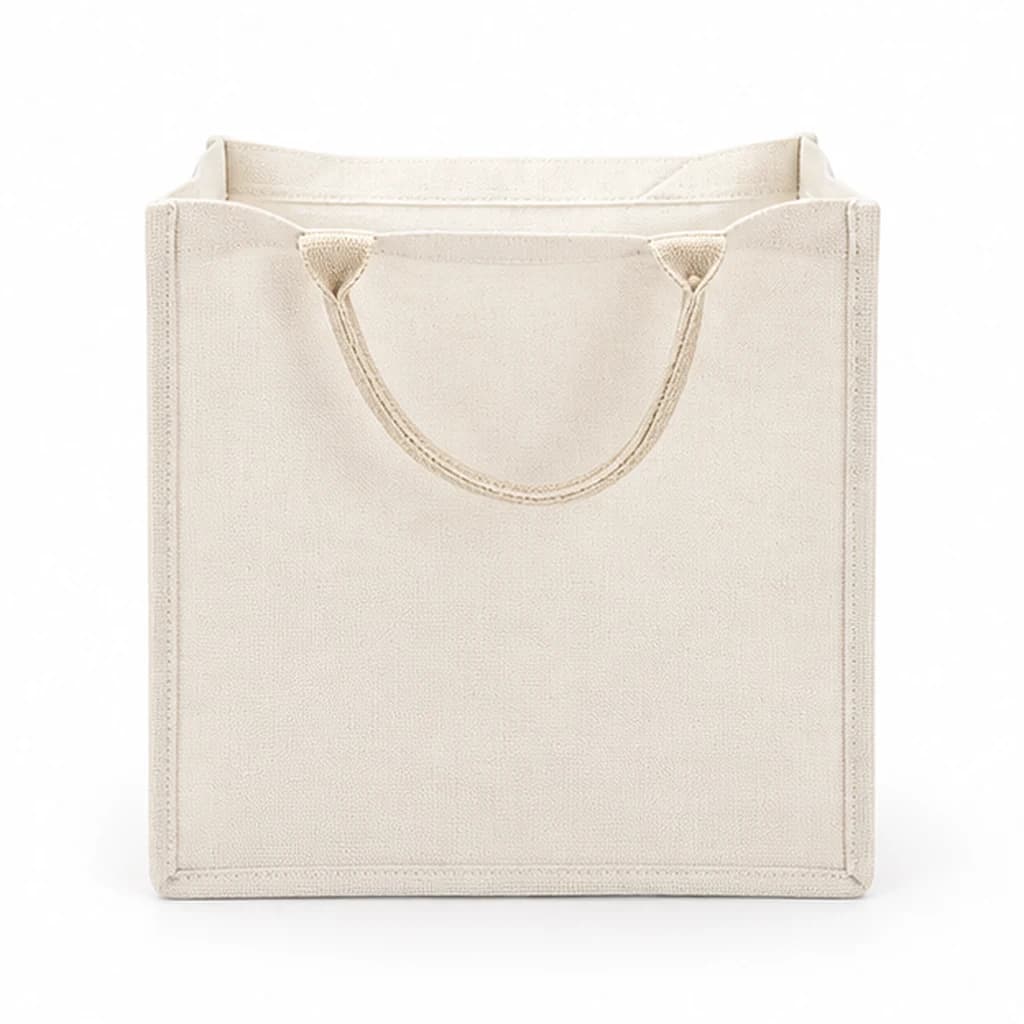
- Jute Tote Bag: a reusable bag for trade shows and kits.
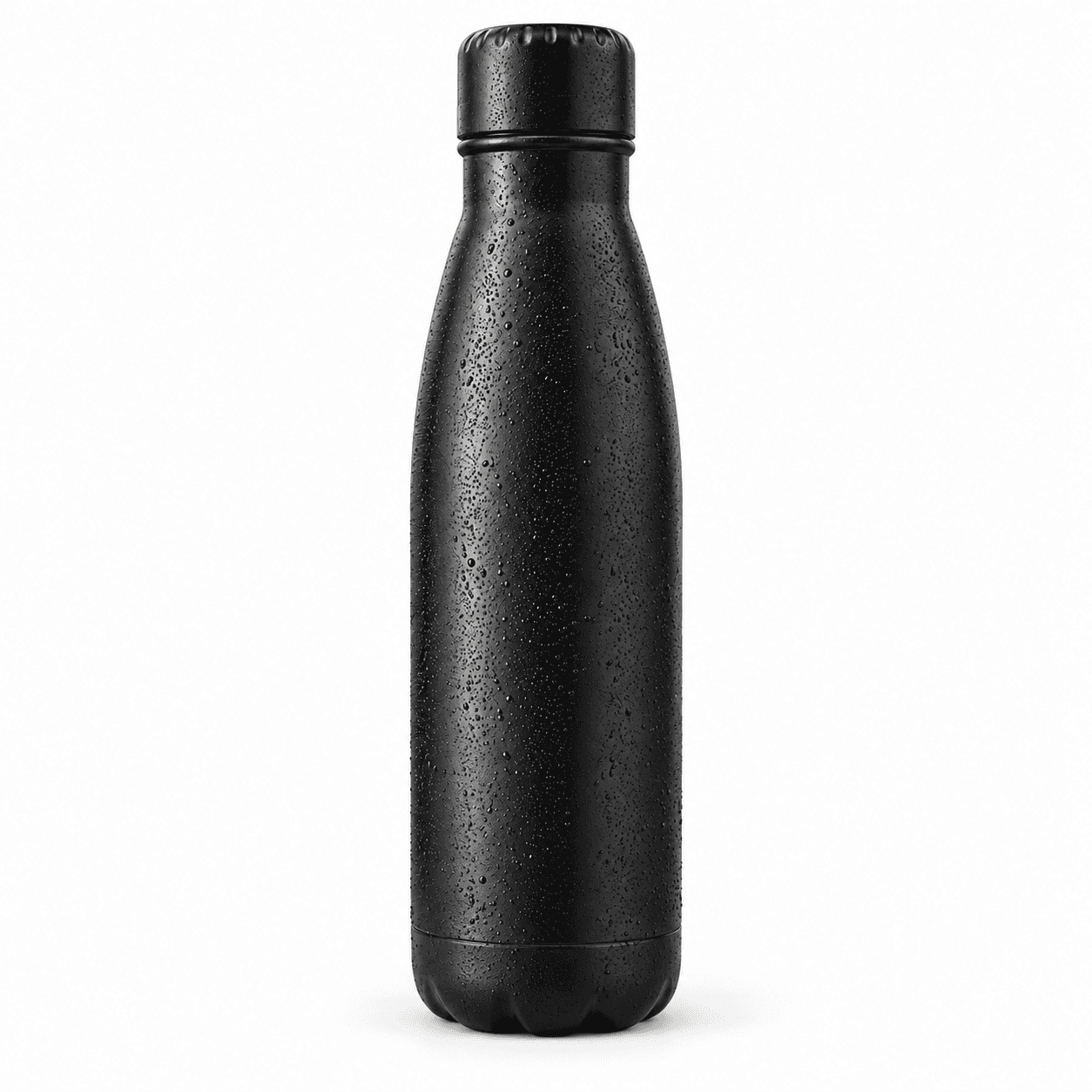
- Atlas Insulated Steel Bottle: a bottle designed for everyday use.
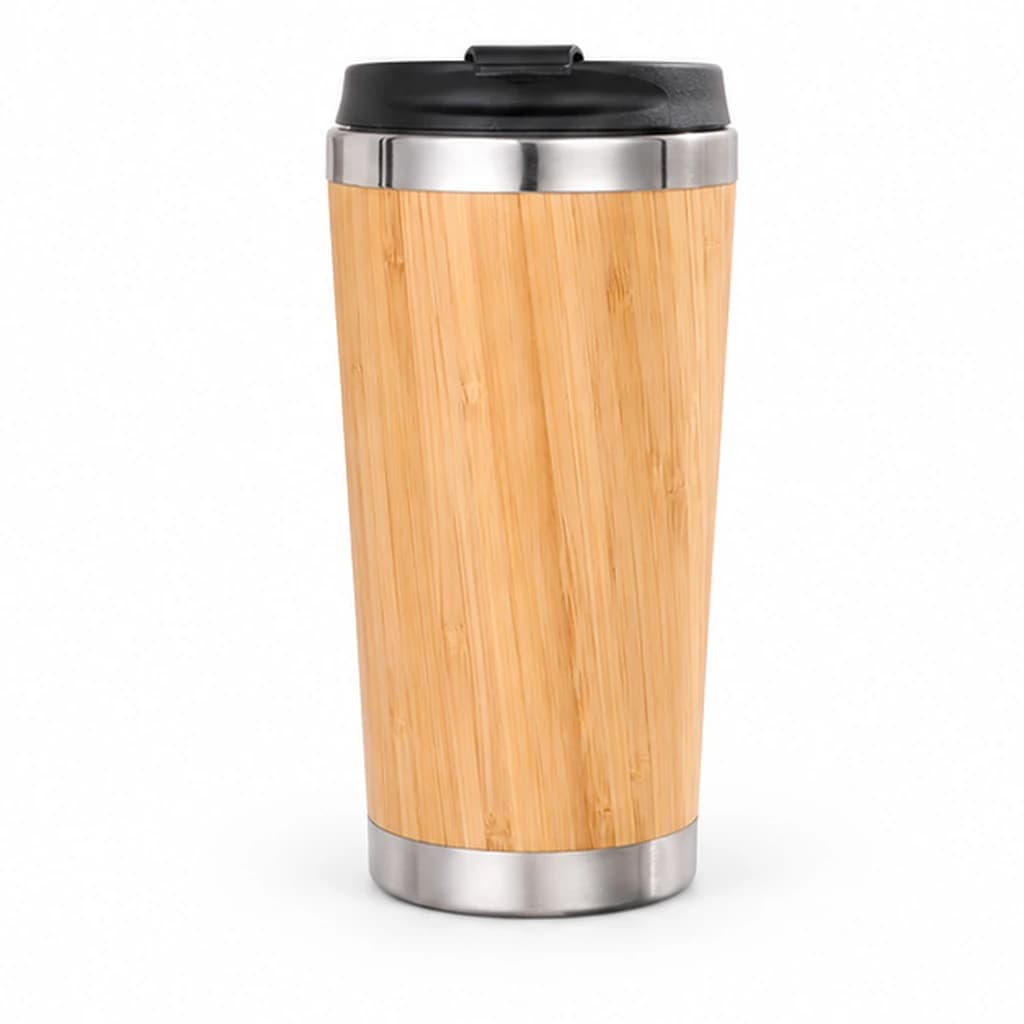
- Classic Bamboo Mug: check the full composition and the care instructions.
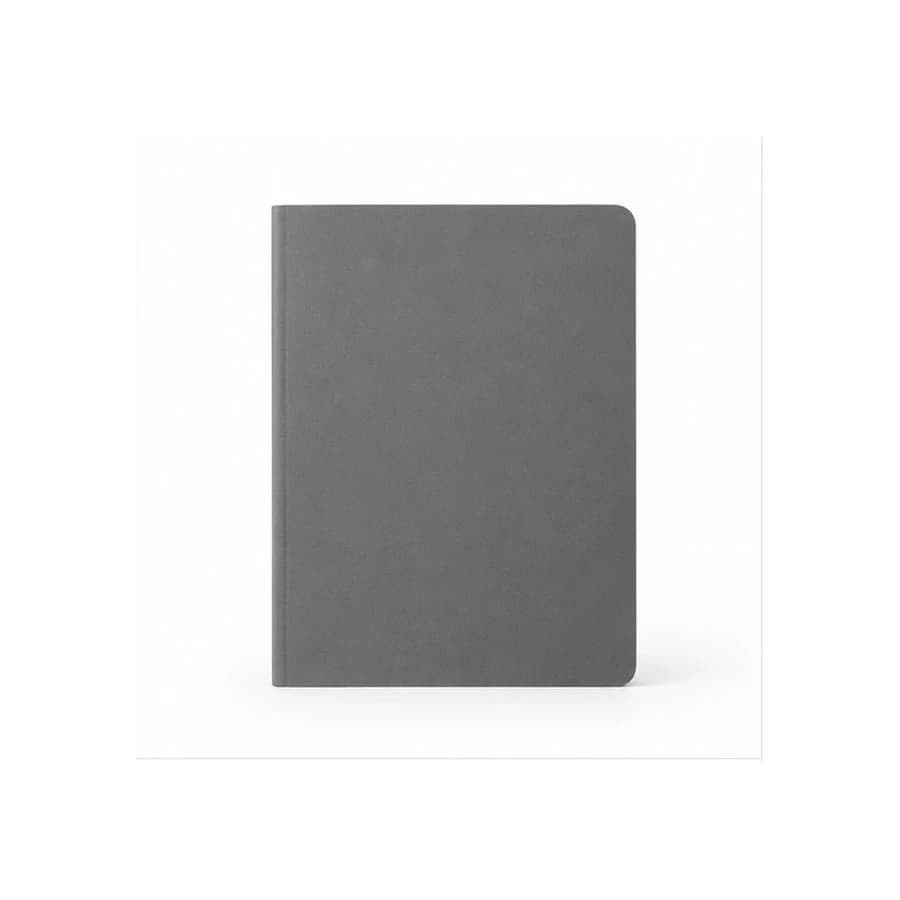
- Slate Stone Paper Notebook: ask for the composition of the paper and the cover.
To compare prices, minimums and branding techniques across a whole selection, see our branded merchandise page and the full catalogue. For reusable bags, see our printed tote bags.
The questions to ask your supplier
- What is the exact composition of this reference?
- Who holds the certificate, and does it cover my batch?
- Can you tell me the estimated carbon footprint of this product, and by what method?
- Do you use carbon credits to present a product as "neutral"?
- What data can you give me for my Scope 3 reporting?
A supplier that answers with documents rather than adjectives protects you and your brand. To go further, read our guide to sustainable branded merchandise or request a quote.