Sustainable Employee Welcome Kits: Complete 2026 Guide
How to build a sustainable welcome kit in 2026: certified materials, packaging options, minimums per product and the documentation HR needs for ESG reporting.
By Zintora Team
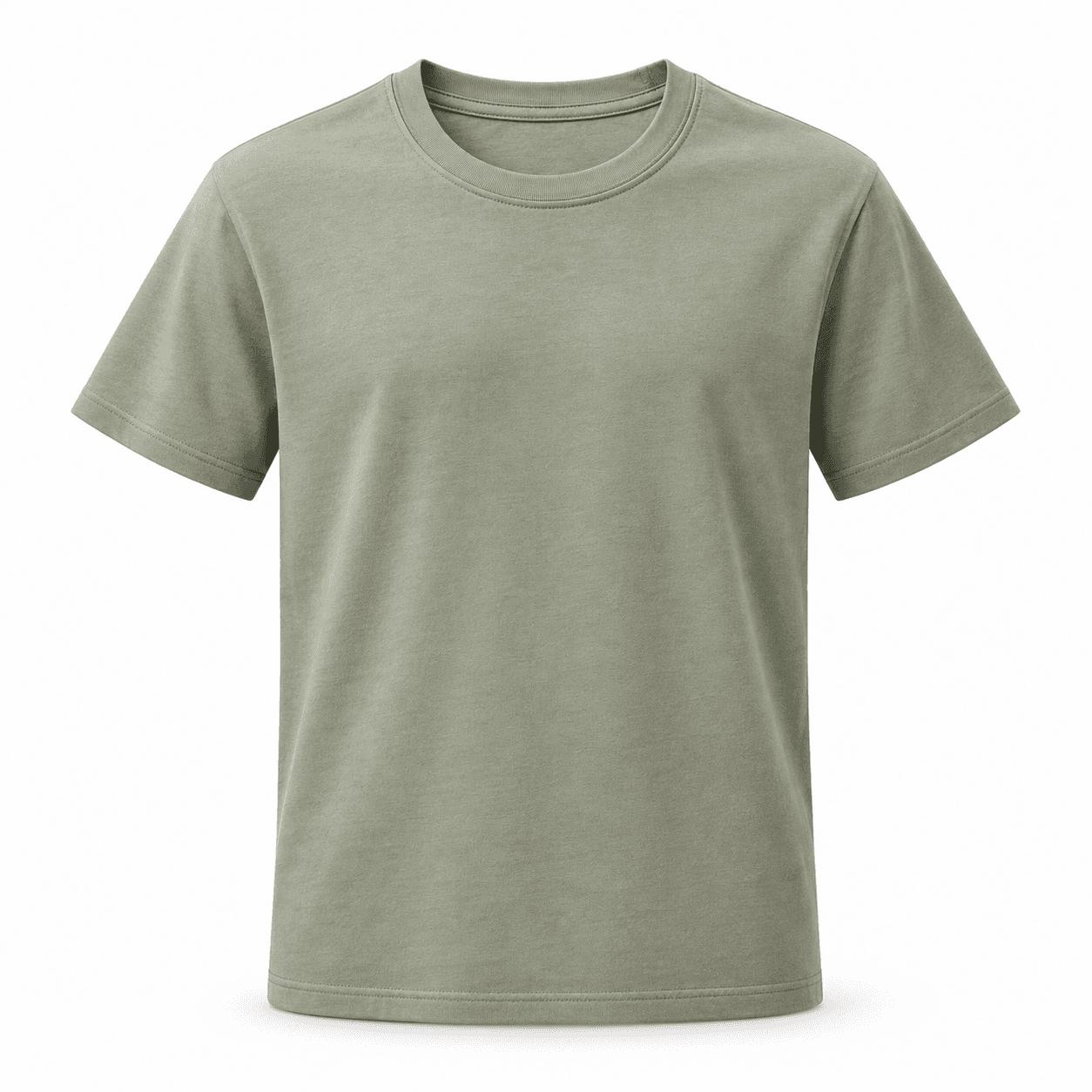
A sustainable welcome kit gathers a few items the new employee will actually use, made from materials you can verify: organic cotton, recycled polyester or bamboo, depending on the product. Before you buy, compare the contents, the minimum order for each item and its estimated carbon footprint, which Zintora states per product in the quote.
The welcome kit is the first tangible thing a new employee receives from their company. It sets the first impression, communicates the company's values and stays on their desk or at home for months.
Related catalogue product: Verde Organic Tee.
It is also one of the highest-volume recurring purchases an HR team makes: every new hire, every intake of starters, every quarter.
That combination of high impact, high volume and recurrence makes welcome kits one of the most important sustainable gifting decisions an HR or People Ops team can take. And one of the easiest to document for an ESG report.
This guide covers how to build a sustainable welcome kit in 2026: what to include, which certifications matter, how to order sustainably at scale and what documentation to keep. For an overview of the range, see our employee welcome packs and the wider catalogue.
Why sustainable welcome kits matter
The numbers add up quickly
A company that hires 200 people a year produces 200 welcome kits. Over five years that is 1,000 kits, each with 4 to 6 items. If every item is a conventional product made from virgin material inside a plastic bag, the cumulative impact is considerable.
Switch to GRS or GOTS certified products with recycled cardboard packaging and you achieve a measurable, documentable reduction in Scope 3, Category 1 emissions.
What it communicates on day one
An employer's environmental stance weighs more and more in how a job offer is judged, especially among younger candidates. The welcome kit is the first physical expression of your ESG commitments.
A kit with genuinely certified materials and plastic-free packaging says: we are serious. A kit with vague claims and polyethylene bags says the opposite.
ESG documentation is increasingly expected
For companies with public ESG commitments or formal sustainability reporting obligations, the welcome kit is one of the most auditable Scope 3 purchases: it happens at a predictable frequency, with a clear supplier, and it can come with full certification documentation.
What to include in a sustainable welcome kit
Level 1: the essentials (they should be in every kit)
1. Garment made from GRS certified recycled material (sweatshirt or T-shirt)
The centrepiece of most kits. Specify GRS certified recycled polyester or GOTS certified organic cotton, and ask for the supplier's scope certificate. The size should be collected when the offer is made, not assumed.
2. Recycled or FSC certified notebook
100% recycled or FSC certified paper in a hardback format, printed with soy-based or water-based ink. It is the item most commonly certified in corporate merchandise and the easiest to obtain with documentation. See also our range of branded notebooks.
3. Stainless steel or recycled material bottle
It replaces hundreds of single-use plastic bottles per employee per year. Specify recycled stainless steel where available and avoid bottles with a plastic inner coating.
4. Sustainable pen
A body made from bamboo, recycled aluminium or recycled plastic, compatible with standard refills so it is not disposable once the ink runs out. The pen stays on the desk and the body can last for years. More criteria in our guide to choosing promotional pens.
Level 2: the ones that really add value
5. Organic cotton tote bag
GOTS certified organic cotton or GRS certified recycled cotton. It replaces single-use bags every day, with plenty of visibility and plenty of use. An embroidered logo lasts longer than a screen print.
6. Reusable cup or thermal mug
It is used every working day. The sustainability return, meaning the footprint per use compared with the disposable cups it replaces, is exceptional.
7. Wax wraps or a reusable straw set
A low-cost addition that signals a real commitment, because its only reason to exist is to replace single-use plastic.
8. Seed or plant kit
No recurring waste, and a living plant captures CO₂. Seed kits work especially well for remote employees who receive the kit at home: something personal and alive.
Level 3: premium versions or for senior profiles
9. Backpack made from recycled material (RPET)
A GRS certified RPET backpack with a laptop compartment. High perceived value, daily use and a long life cycle.
10. Organic candle or natural wellbeing product
A beeswax or soy candle with a natural fragrance in recycled glass. It is used at home and shows attention to the person, not just the role.
What to avoid in a "sustainable" kit
Polyethylene bags: if the products arrive in individual plastic bags inside the box, the packaging immediately contradicts the message. Ask for folded tissue paper or no individual wrapping.
Cheap plastic accessories: phone stands, cable ties, low-quality lanyards. If it is virgin plastic and will break within a year, it is not sustainable however green it looks.
Unverified "eco" claims: items sold as eco-friendly with no certificate number. In the merchandise market there is plastic printed with a bamboo pattern that is sold as bamboo.
Excessive packaging: oversized boxes with filler material. A well-sized recycled cardboard box, with tissue paper and a card, generates minimal waste.
Synthetic filler items with no use beyond the first week: these are exactly the ones that end up in the donation bin.
Packaging: the most overlooked decision
The box is the first thing a new employee sees. It is also where most conventional kits fail on sustainability.
Plastic-free packaging specification
For a genuinely sustainable welcome kit:
- Outer box: recycled cardboard (80% or more post-consumer content) with kraft tape or water-based adhesive
- Tissue paper: recycled or FSC certified, with no metallic print (metallic inks are not recyclable)
- Filling: shredded recycled cardboard, not foam or inflatable film
- Printed card: FSC certified paper with soy-based ink
- No polyethylene bags around the individual items: tissue paper instead
At Zintora you can choose between a printed kraft box and a rigid gift box; the packaging and filling materials are confirmed in the quote, so include this specification when you request it.
Bespoke box or standard box
Boxes with a bespoke magnetic closure look great, but they have a higher material cost and are harder to recycle: laminated cardboard is often not recyclable. A kraft cardboard box with a printed label or a sleeve is a fully recyclable alternative, with less waste and an equally careful finish.
What to specify when you order
When you plan an order of welcome kits with sustainability requirements, ask your supplier for:
- Certification documentation: GRS, GOTS, FSC or OEKO-TEX scope certificate numbers for each relevant product
- Material composition statement: a written breakdown of the percentages of recycled, organic and virgin content
- Packaging statement: confirmation of plastic-free packaging and the materials used
- Transaction certificates: for ESG reporting purposes, on request
- A realistic minimum order: if you hire continuously, you need to be able to order small batches instead of storing dozens of kits
Sustainable welcome kits at Zintora
Most corporate merchandise platforms require between 25 and 100 units. That works for a mass onboarding, but not for companies that hire two or three people a month and do not want to keep the rest in a cupboard.
At Zintora the minimum depends on each product and each product page states it; for one or a few units, see print on demand. You can build welcome kits with certified products, with the certificates available on request, and choose a printed kraft box or a rigid gift box. The quote confirms the packaging materials and includes the estimated carbon footprint of each product.
Our new-starter kit includes a premium T-shirt, a steel bottle, a notebook, a pen and stickers, in a gift box with a personalised card.
Documentation worth keeping for the ESG report
For every order of welcome kits, keep:
| Document | Source | What it is for |
|---|---|---|
| GRS scope certificate | Supplier | Justifying recycled content |
| GOTS scope certificate | Supplier | Justifying organic content |
| Material composition statement | Supplier | Scope 3, Category 1 |
| Packaging statement | Supplier | Waste reduction reporting |
| Transaction certificate | Supplier (on request) | ESG audit by batch |
| Order confirmation with item list | Your records | Spend documentation |
These documents form the purchase file for your ESG disclosure. File them by order date and supplier name so you can find them easily during an audit.
Frequently asked questions
What is the minimum order for a sustainable welcome kit? At Zintora it depends on each product: each product page states its minimum. Most platforms require 25 or more, which forces you to store surplus kits when you hire continuously.
How much does a sustainable welcome kit cost? It depends on the selection of products and the quantity, and the quote confirms the total. Our pack pages show what the ready-made kits contain. Sustainable options typically cost 10% to 20% more than their conventional equivalents, but they have a longer life and can be documented for ESG.
Can you provide the GRS documentation for my kits? Yes, on request. Zintora can provide the GRS scope certificate of The Tenth House, one of our suppliers; the certificate belongs to the supplier, not to Zintora, and we check batch by batch whether your order is covered. We can also prepare sustainability reports with Scope 3 data for the merchandise purchased.
What do I do with surplus kits? Set up a redistribution programme: surplus sizes are offered to current employees, donated or held as credit for the internal shop. Avoid storing items for years that may become outdated.
How do I collect sizes from remote employees? Ask for the size when the offer is made, with a single question on the onboarding form: "Your sweatshirt size (XS/S/M/L/XL/2XL)", before you produce the kit. At Zintora we collect sizes and addresses directly from the new employees, so HR does not have to chase spreadsheets. You can also read our employee welcome pack guide.