UK branded merchandise suppliers: how to compare and choose one
How to compare branded merchandise suppliers in the UK: catalogue depth, starting prices, minimums, proofs, lead times, kitting and documents, with a scorecard.
By Zintora Team
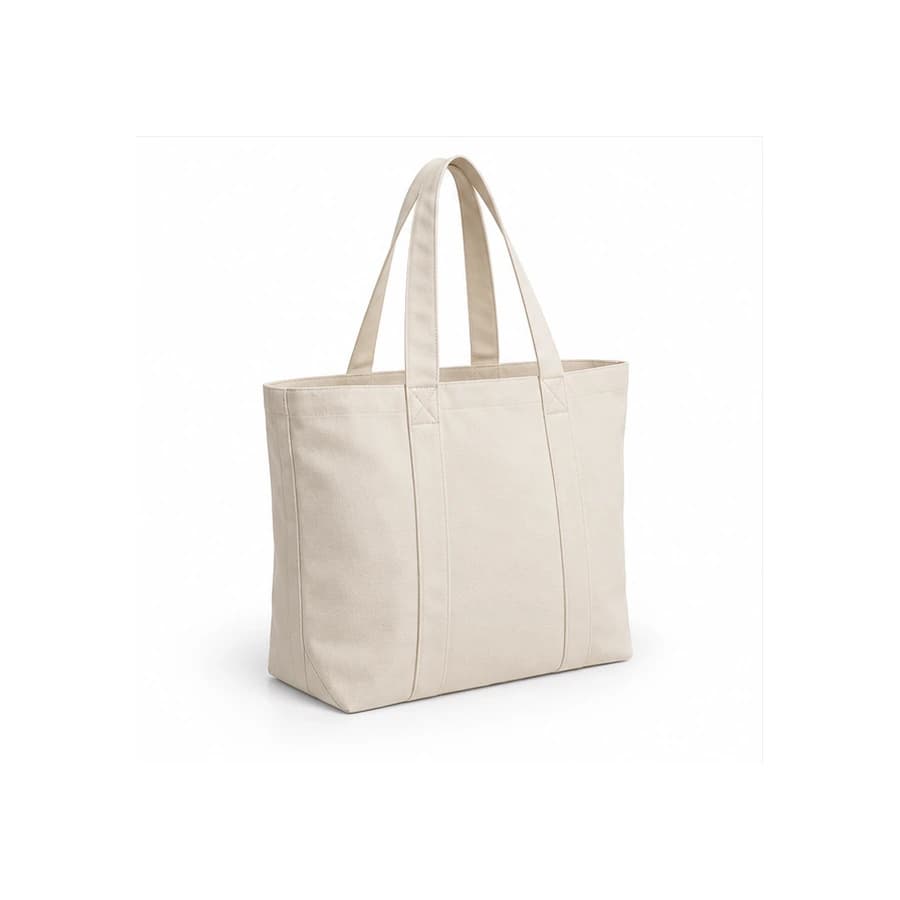
Branded merchandise suppliers produce, personalise and deliver products carrying your logo, from hoodies and tote bags to bottles and pens. To compare them, a UK business should check catalogue depth, visible starting prices and minimums, a digital proof before production, lead times confirmed in writing, kitting and multi-address delivery, sustainability documentation and how clearly they communicate.
This guide turns those points into a scorecard you can use with any shortlist of promotional products companies or corporate gifting companies. It also shows what a good catalogue listing should state, using five popular items from the Zintora range, and describes how our own quote process works so you can hold us to the same standard. For a wider look at what to order in the first place, see our company merch guide.
What branded merchandise suppliers actually do
The phrase covers a wide range of businesses. Some only print onto blanks you supply. Some sell from a fixed catalogue with a checkout. Others manage the whole chain: product selection, personalisation, packaging, storage, kit assembly and delivery. Before you compare prices, decide which of these you need, because a cheap unit price from a print-only vendor can cost more once you add packing and shipping to dozens of addresses yourself.
At Zintora, the services page sets out the chain we manage: product selection from a curated catalogue, personalisation matched to the material, packaging, storage or staggered shipments when they fit the project, assembly and fulfilment, delivery, private merch shops for teams, and a dedicated specialist on every quote. You do not need to use all of them. Your specialist recommends only what the project needs.
The criteria that separate good company merchandise vendors
Catalogue depth and curation
A huge catalogue is not automatically better. What matters is whether the range covers the categories you will actually order (clothing, bags, drinkware, stationery, tech, packs) and whether each item has enough detail to judge it without a sales call. Look for colours, sizes, material, weight where relevant and the personalisation methods that suit the product. A curated range of items people keep tends to beat thousands of near-identical listings.
Visible starting prices and minimums
Promotional merchandise UK buyers lose a lot of time on suppliers who hide every price behind a form. A good listing shows a starting price per unit and a minimum order, so you can shortlist before you ask for anything. Starting prices are a guide, not a final figure: personalisation, packaging and delivery depend on your design, quantities and destinations, and the quote should confirm them.
A digital proof before production
Every supplier should send a digital proof showing the product, the position, size and colours of each mark before anything goes into production. If a supplier is vague about proofs, or starts production on a verbal yes, treat that as a warning sign.
Lead times confirmed in writing
Ask how long production takes after you approve the proof, and make sure the answer appears in the quote. A date mentioned on a call is not a commitment. If your event date cannot move, say so at the start so the supplier can assess feasibility.
Kitting, packing and delivery to several addresses
Welcome kits, remote team gifts and multi-site rollouts need more than printing. Check whether the supplier can assemble kits, pack them individually and ship to offices and homes, and whether the delivery cost per address is shown in the quote.
Sustainability documentation
Claims such as "eco" or "sustainable" mean little without documents. Ask which products carry a certificate, who issued it and whether it is checked per lot. A supplier that says it can provide documentation on request, and names only what it has checked, is more credible than one with a page of badges.
Communication
Note how fast and how specifically each supplier replies. Do you get a named contact? Are your questions answered, or do you receive a generic brochure? Communication during the quote is usually a fair guide to communication when something needs fixing.
A scorecard for comparing suppliers
Score each supplier from 1 to 5 on each line and add a weight that reflects your project. A one-off conference order will weight lead time and price; an onboarding programme will weight kitting and multi-address delivery.
| Criterion | What to look for | Question to ask | Weight (1 to 3) | Score (1 to 5) |
|---|---|---|---|---|
| Catalogue depth | Categories you need, full product detail | Can I judge each item from the listing alone? | ||
| Starting prices | Price per unit shown on the listing | Is the price ex VAT, and what is extra? | ||
| Minimums | Minimum order stated per product | Can I split colours and sizes within the minimum? | ||
| Digital proof | Proof before production, every mark shown | Will nothing be produced until I approve? | ||
| Lead time | Confirmed in the written quote | When does the clock start, and is it in writing? | ||
| Kitting and delivery | Assembly, packing, several addresses | Is the cost per address shown in the quote? | ||
| Sustainability | Named certificates, checked per lot | Which documents can you send for this product? | ||
| Communication | Named contact, specific replies | Who answers if something goes wrong? |
Multiply each score by its weight and compare totals. If two suppliers finish close together, ask both the same follow-up question and see who answers more precisely.
What a catalogue listing should state: five examples
A useful listing tells you enough to shortlist without a phone call. Here is how five popular items in our catalogue present that information.
| Product | From (ex VAT) | Minimum | Personalisation | Key detail on the listing |
|---|---|---|---|---|
| Summit Hoodie | £22.88 | 20 | Embroidery, screen printing, appliqué patch | 400 g/m² cotton blend fleece, sizes XS to 3XL |
| Metro Tote | £5.36 | 50 | Screen printing, embroidery | 340 g/m² cotton canvas, inner zipped pocket |
| Brook Glass Bottle | £10.01 | 25 | Screen printing on the sleeve, engraving on the stopper | 600 ml borosilicate glass, silicone sleeve |
| Arc Metal Pen | £6.08 | 50 | Laser engraving, gift tube printing | Brass core, knurled grip, magnetic gift tube |
| Ledger Hardcover Journal | £13.58 | 25 | Foil stamping, custom bookplate, slipcase printing | A5 linen binding, 120 g/m² cream paper |
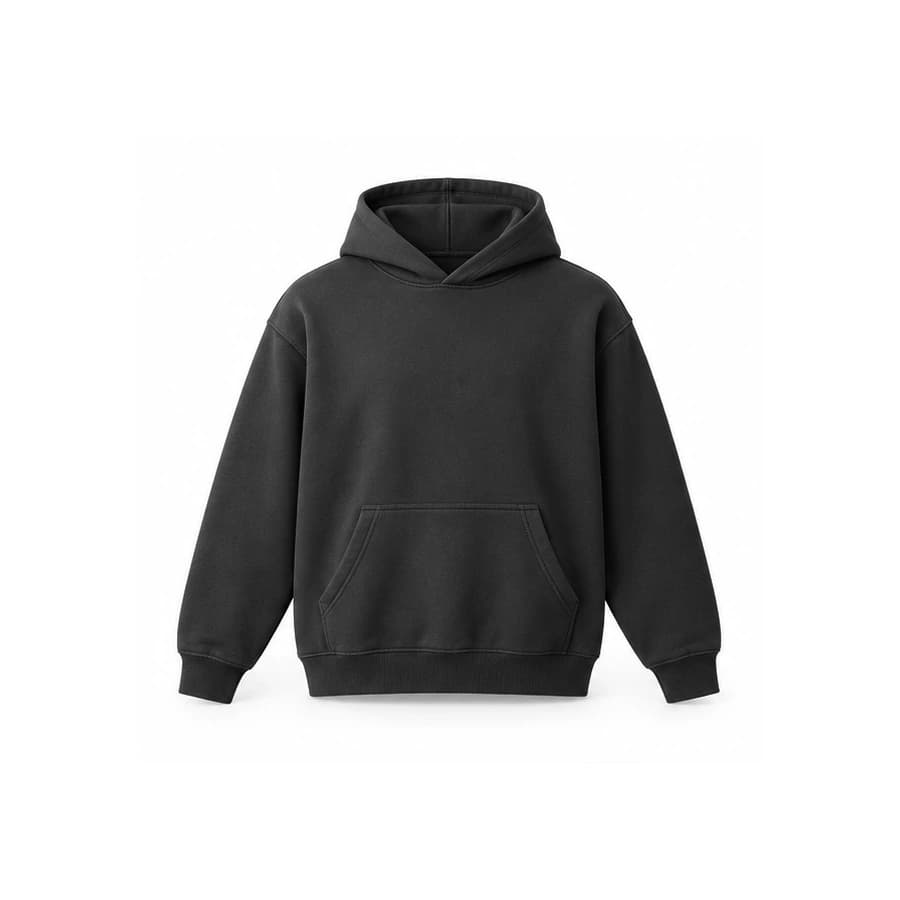
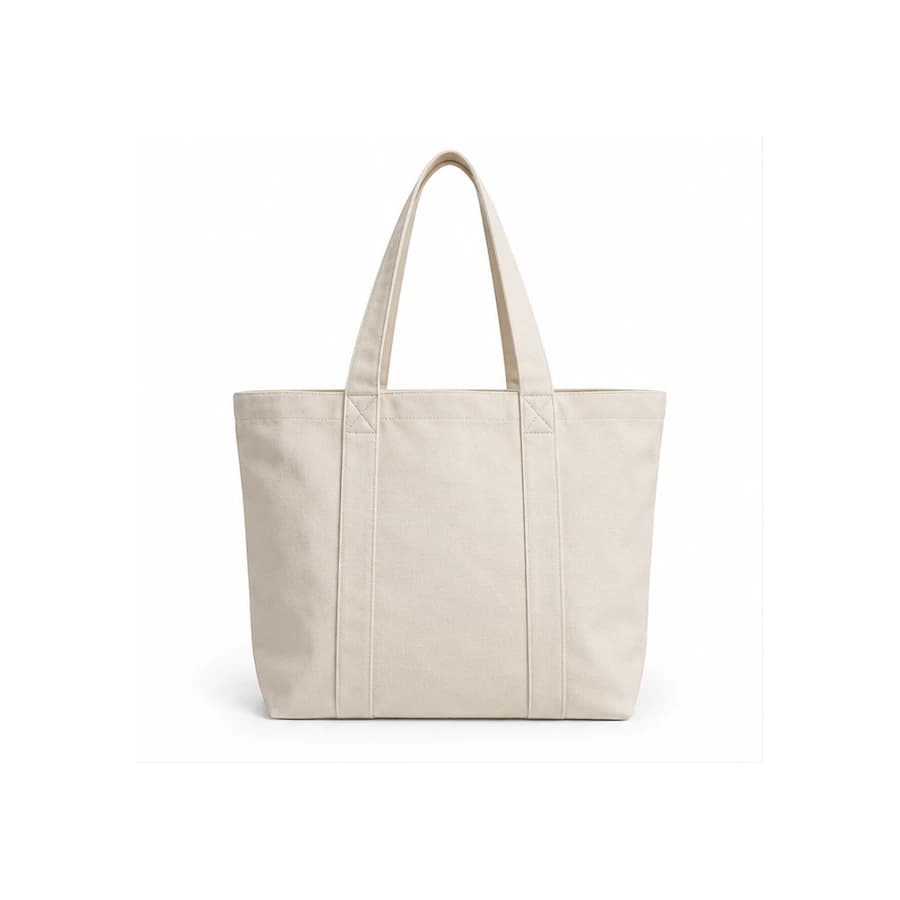
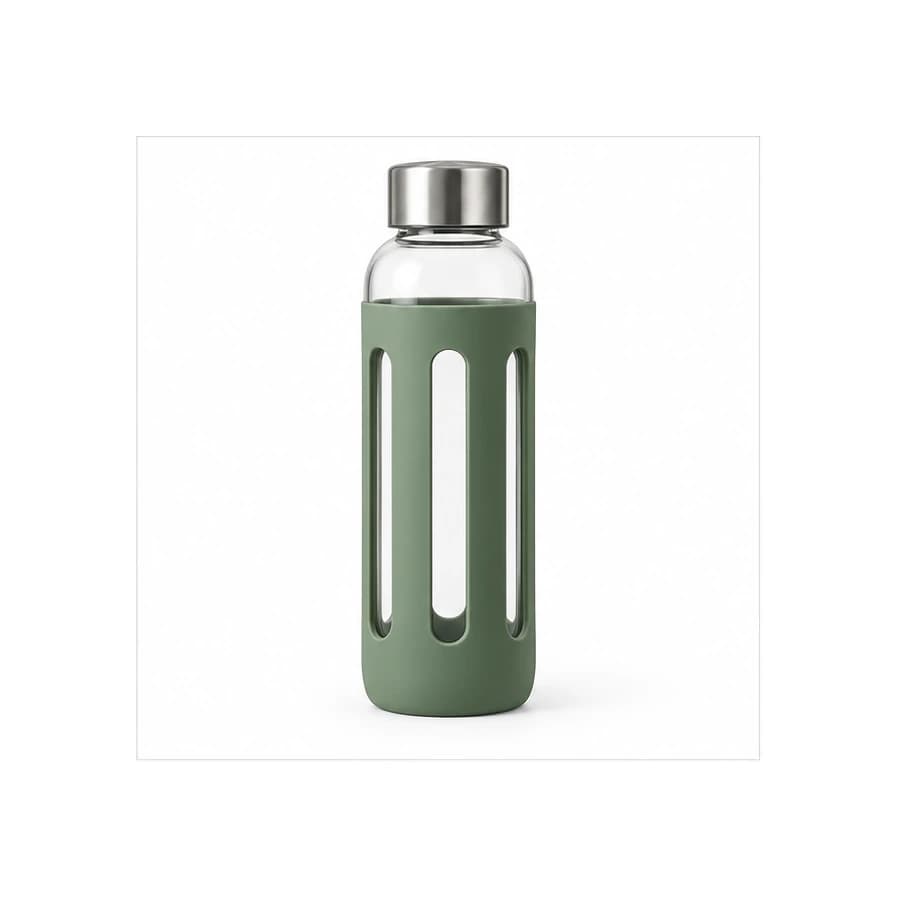
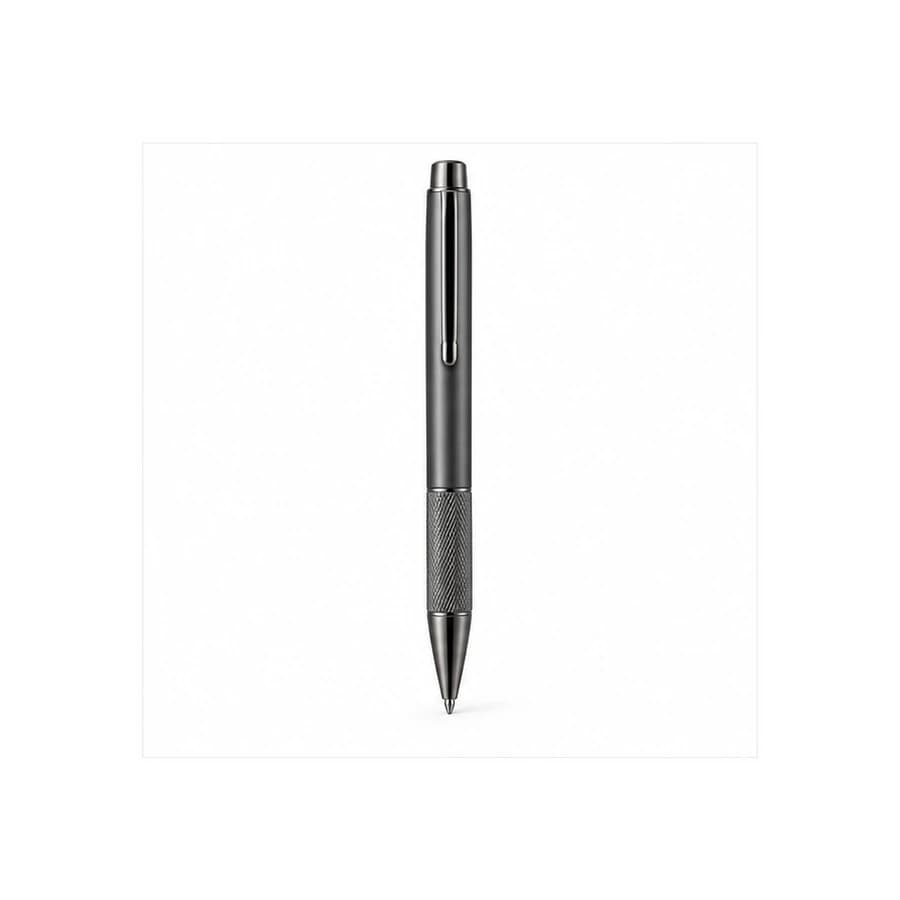
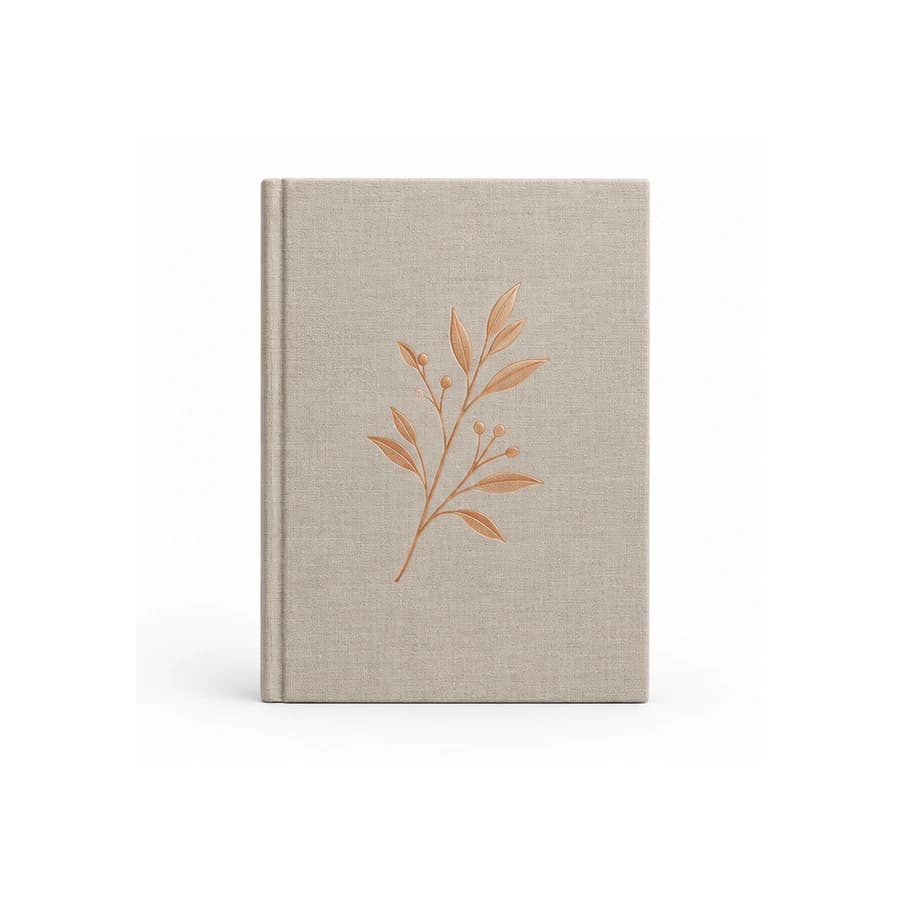
Prices are starting prices shown in the catalogue on 15 October 2026, ex VAT; printing and delivery are extra, UK import VAT and duties are paid on delivery.
Each of these listings states the colours, the personalisation methods that suit the material, the minimum and the file formats accepted for your logo (vector PDF, SVG or EPS, or a high-resolution PNG with a transparent background). They also say what the listing does not claim: where a product carries no environmental certification, the page says so, and composition, origin and packaging are confirmed in the proposal.
Use that as a benchmark. If a supplier's listing for a hoodie does not tell you the fabric weight and size range, or a tote listing leaves out the material, you will spend the saved time chasing details later. Our custom hoodies and printed tote bags pages show the full range in those two categories.
How the Zintora quote process works
We are one of the branded merchandise suppliers you might put on your shortlist, so here is exactly how our process runs, taken from our quote page and product pages.
- Choose products and quantities. Add catalogue items to the quote builder and set quantities, colours and sizes. Minimums depend on the product; if you do not know the final split yet, say so in the notes.
- Describe the personalisation. Tell us which logo to use, where it should appear and whether you prefer a particular method or finish. The method and the personalisation area are checked for each material.
- Tell us where and when. Give the destination, or the number of destinations, and the date you need the items. If an event date cannot move, highlight it.
- Receive a proposal. The team looks at your selection and prepares a proposal, or asks for any missing information. Sending the request is not a payment and does not by itself confirm production or a delivery date.
- Approve the digital proof. You see the placement, size and colour of every mark before production starts.
Production takes 10 to 20 working days after proof approval, confirmed in the quote. Zintora delivers across the UK and internationally to Europe, the Middle East and Africa, Asia-Pacific and the Americas. Delivery to each destination, any customs formalities and the timing of each shipment are confirmed in the quote.
If you need ready-made combinations rather than single items, the packs range groups products into kits that can be packed and sent to individual addresses. Our branded merchandise page brings the main product categories together in one place.
Sustainability documents to request
Ask every supplier the same three questions: which certificates apply to the exact products in your quote, who issued them, and whether they are checked per lot. For Zintora, the only certificate we name is the GRS of The Tenth House, checked per lot; certificates for other products are available on request. Material or certification claims are only treated as verified when the supplier provides documentation for the selected reference. Our sustainability page explains how we handle this, and you can also ask for an estimated carbon footprint per product with the quote.
Branded merchandise suppliers checklist
- Project type decided: single order, kits, or an ongoing programme
- Shortlist built from suppliers whose catalogue covers the categories you need
- Starting price and minimum checked on each product listing
- Prices compared on the same basis: ex VAT, with printing and delivery listed separately
- Digital proof confirmed before production for every mark
- Lead time confirmed in the written quote, not only on a call
- Kitting, packing and delivery cost per address shown where needed
- Sustainability documents requested for the exact products
- Named contact identified for the order
- Scorecard completed and totals compared
Frequently asked questions
How do I compare branded merchandise suppliers fairly?
Use the same brief for every supplier: products, quantities, logo, destinations and the date you need the items. Then score each reply on the same criteria, such as starting price, minimum, proof, written lead time, delivery and documentation.
What is the difference between promotional products companies and corporate gifting companies?
There is a lot of overlap. Promotional products companies tend to focus on volume items for events and campaigns, while corporate gifting companies focus on presentation, packing and delivery to individuals. Many suppliers do both. Our guide to the best corporate gifting companies covers what to look for on the gifting side.
Should a supplier show prices on its website?
It helps. A starting price and a minimum on each listing let you shortlist quickly. Final figures still depend on personalisation, packaging and delivery, so the quote should confirm them.
What minimum order should I expect?
It depends on the product. In the examples above, minimums run from 20 for the Summit Hoodie to 50 for the Metro Tote and the Arc Metal Pen. Each Zintora product page states its minimum.
Ready to compare? Browse the catalogue or request a quote with your products, quantities, destinations and the date you need everything. A specialist replies to every request.